Budapest, Where the Danube Splits a City That Refuses to Be One
Budapest delivers grand Habsburg architecture and a kinetic ruin-bar scene, but first-timers often underestimate its sheer scale and the steep hills of Buda.
- Flag
-

- ISO code
- HU
- Currency
- HUF
Budapest, Where the Danube Splits a City That Refuses to Be One
Most first timers arrive in Budapest having seen the Parliament photo and heard about ruin bars. They book a hotel on the Pest side, plan a quick afternoon across the river to snap Fisherman's Bastion, and assume the rest will take care of itself. That plan fails by lunchtime on day one. The hills of Buda are steeper than the map suggests. The boulevards of Pest are longer. The Danube crossings add up. And the city's split personality means you cannot treat one half as a half day afterthought. This is a three city trip disguised as one: Buda's castle topped hills, Pest's commercial grid, and the thermal bath culture that has nothing to do with tourism. Plan for three full days minimum. Treat Buda as a full day commitment. Budget your leg strength accordingly.
- Unification Date: 17 November 1873
- Minimum Days Needed: 3 full days: one for Pest's core, one for Buda's castle and hills, one for baths and the Jewish Quarter's depth
- Peak Season: June through August; December for Christmas markets
- Avoid Window: 10, 15 August (Sziget Festival, if not attending), 20 August (St Stephen's Day fireworks, road closures), late July (Formula 1 Hungarian Grand Prix)
- Airport to Centre: 100E bus to Deák Ferenc tér, 2,200 HUF (2026 rate), 35, 45 minutes; official Főtaxi 10,000, 14,000 HUF
- Single Tram Ticket: 450 HUF (2026 BKK rate), one journey, validate on board
The Physical Scale Will Surprise You
Budapest looks compact on a phone screen. It is not. Buda's Castle District sits on a limestone plateau that rises 70 metres above the river. The walk from the Chain Bridge up to Fisherman's Bastion involves a steady 15 minute climb on cobblestones, and that is the easy route. Gellért Hill demands a proper hike. Even Pest, which is flat, stretches further than it appears. Andrássy Avenue runs for 2.5 kilometres from the Basilica to Heroes' Square. The Nagykörút, the grand ring road, is 4.5 kilometres of continuous pavement. You will cross the Danube more times than you expect because the metro lines and the tram routes do not always align with where you need to go. Expect to walk all day on a full schedule.
Mobility Reality Check
This is not the city for the mobility impaired. The Castle District, Gellért Hill, and many metro stations involve long stair climbs and limited lifts. If stairs are a problem, Buda becomes difficult. Stay in Pest's District V or VI and take the funicular up to the castle, but accept that you will still miss the best views, which require a walk up Gellért Hill or across the Liberty Bridge to the Buda side at sunset.

Three Days, Three Priorities, No Shortcuts
Day One: Pest's Core On Foot
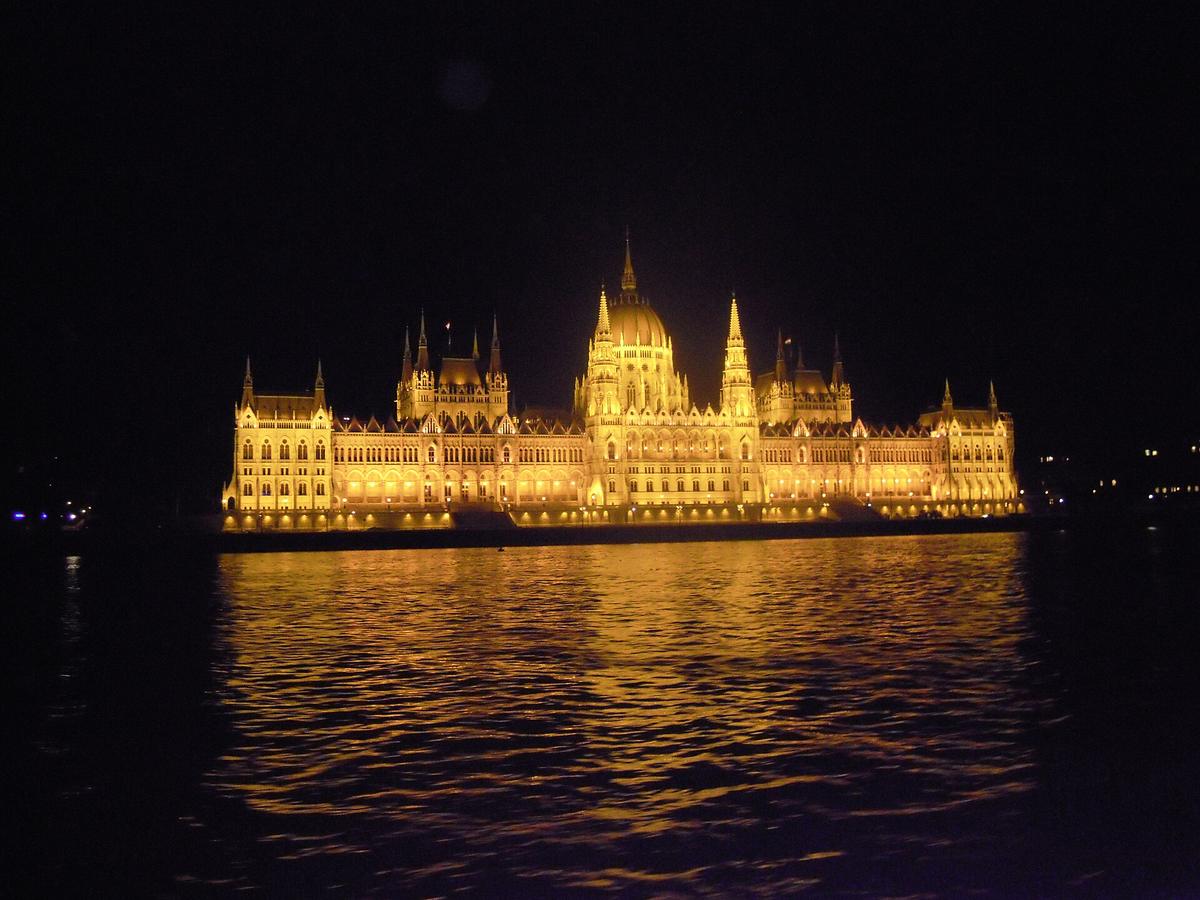
Start at St. Stephen's Basilica. Pay 2,500 HUF for the relic of the Holy Right Hand downstairs, then climb the dome for a full city panorama. Walk the Danube Promenade south to the Shoes on the Danube memorial, then north to the Hungarian Parliament Building. Book the Parliament tour online in advance at parliament.hu or jegy.hu. The 45 minute English tour costs 6,000 HUF for EU citizens and 12,000 HUF for non EU citizens at the 2026 rate, and tickets sell out days ahead. After Parliament, take tram 2 along the river to the Central Market Hall. Buy paprika on the ground floor. Skip the upstairs food stalls. Walk east on Ráday Street into District IX for a late lunch at Stand25 Bistro, order the hortobágyi palacsinta. End the day at the Great Synagogue on Dohány Street, the largest in Europe, and the Holocaust memorial garden behind it.
Day Two: Buda Demands A Full Day
Cross the Chain Bridge to Buda before 09:00. Skip the funicular queue. Walk up the hill via the tunnel path. Start at Ruszwurm Cukrászda at Szentháromság utca 7, Budapest's oldest confectionery, for a rákóczi túrós and coffee. Then Matthias Church, 2,500 HUF entry, Gothic revival interior. Fisherman's Bastion is free on the lower terraces but pay 1,200 HUF for the upper towers. The Buda Castle complex houses the National Gallery and the Budapest History Museum. Do not try to do both in one visit. Pick one. In the afternoon, walk down to Gellért Hill and the Citadella. The hill is under renovation until 2025, but the path and the view from the top are open. Sunset from Gellért Hill is the single best view in the city, and it faces Pest. Do not skip this for a boat cruise. If you must do a boat cruise, book a 1 hour evening trip from the Pest riverbank for 5,000 to 12,000 HUF at the 2026 rate.
Day Three: Thermal Baths And The Jewish Quarter
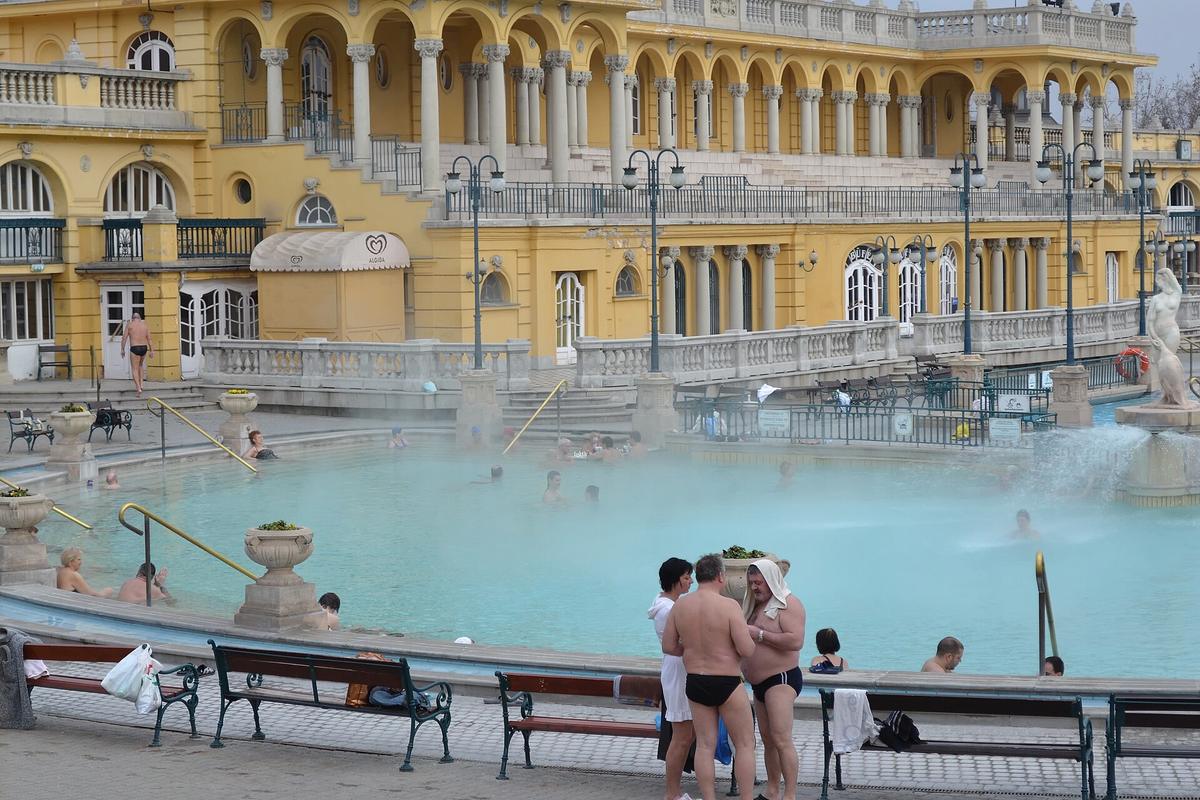
Start at a thermal bath before noon. Széchenyi, in City Park on the Pest side, is the largest medicinal bath in Europe, opened in 1913 with its water from the St. Stephen Well at 1,246 metres. It has 3 outdoor pools at 27 to 38 degrees and 15 indoor pools. Book online to skip the queue. The summer crush at Széchenyi can feel like a water park. If that sounds unbearable, go to Gellért Baths on the Buda side instead, opened in 1918, with a barrel vaulted mosaic tiled art nouveau main pool, and a predominantly tourist crowd that is smaller on weekday mornings. Or go to Rudas Baths, the Ottoman survivor from 1571, with an octagonal Turkish dome pool under coloured glass and a weekend night bathing session Friday and Saturday from 22:00 to 04:00, the most local experience you can buy. Check the gender segregated schedule at each bath before arriving or you will be turned away.
After the baths, walk the Jewish Quarter in District VII. Szimpla Kert opened in 2002 at Kazinczy utca 14 and is still the original ruin bar, but the character has shifted from temporary and low budget to permanent and tourist heavy. Go anyway for the courtyard. Then Instant Fogas at Akácfa utca 49 to 51, a complex of 7 bars and 2 dance floors. For food, Kádár Étkezde serves töltött káposzta in a time capsule Jewish Hungarian canteen, lunch only. Gettó Gulyás does the soup version of goulash in a small courtyard. For dessert, find Molnár's for kürtőskalács cooked over charcoal, not the pre made tourist stands. End the night with a fröccs ordered by ratio at a ruin bar: kisfröccs for 1:1 wine to soda, nagyfröccs for 2:1.
| Bath | Side | Crowd | Best For | Must Know |
|---|---|---|---|---|
| Széchenyi | Pest, City Park | Tourists and locals | The classic outdoor pool experience | Summer crush can be water park level; book online |
| Gellért | Buda, foot of Gellért Hill | Predominantly tourists | Art Nouveau architecture and indoor grand pool | Weekday mornings are quieter |
| Rudas | Buda, between Elizabeth Bridge and Gellért Hill | Locals, some tourists | Ottoman dome and weekend night bathing | Gender segregated days; check schedule |
| Lukács | Buda, near Margaret Bridge | Predominantly locals, medical patients | Authentic local spa culture | Fewer tourists; outdoor thermal pool is small |

Getting Around, Getting Tripped Up, Getting Out
Public Transport And Tickets
The public transport network is excellent. Tram 2 runs the Pest riverbank from Jászai Mari tér to Közvágóhíd, passing Parliament, all the bridges, the Great Market Hall, and the Bálna building. It is a UNESCO World Heritage view. Tram 4 and 6 run 24 hours a day, every 2 to 3 minutes during daytime, crossing the river twice and passing Margaret Island and the distant Buda Castle. Buy a single ticket for 450 HUF at the 2026 rate from a BKK machine or on the BudapestGO app. Validate paper tickets on the vehicle or at the station entrance before boarding the metro. Inspectors are plain clothed and aggressive. They fine on the spot for 12,000 HUF. They do not accept excuses. They specifically target tourists on the M1 line and tram 2.
Cash, Crossings And Connectivity
Carry cash. Some smaller ruin bars, market stalls, and older étkezdes do not take cards. Pedestrian crossings on the Nagykörút have short signal phases. Locals cross against the red, but tram traffic is silent and fast. Do not follow them.
Free public Wi Fi is widespread on BKK trams and metro stations. The BudapestGO app works offline once you download the city map. A local SIM from Telekom or Yettel is cheap at the airport, but the shop queues run 30 minutes in peak arrival windows. If you need a day trip, Szentendre is 40 minutes by HÉV from Batthyány tér. Esztergom is 1 hour by train from Nyugati station for Hungary's largest basilica. Visegrád is 50 minutes by direct bus from Újpest Városkapu for the hilltop castle. Lake Balaton at Balatonfüred is 1 hour 45 minutes by train from Déli station.
More on Budapest
-
 What Budapest and Central Europe Actually Cost Now, From a Lángos to a Thermal Bath Pass
Budapest still runs at roughly half the cost of Vienna for accommodation, meals, and attractions, but prices have risen sharply in the Jewish Quarter and Castle District.
What Budapest and Central Europe Actually Cost Now, From a Lángos to a Thermal Bath Pass
Budapest still runs at roughly half the cost of Vienna for accommodation, meals, and attractions, but prices have risen sharply in the Jewish Quarter and Castle District.
-
 Budapest Thermal Baths Compared Which One and How It Works
Széchenyi, Gellért, Rudas, Király, or Lukács—which Budapest thermal bath fits your trip based on architecture, crowds, gender rules, and local authenticity.
Budapest Thermal Baths Compared Which One and How It Works
Széchenyi, Gellért, Rudas, Király, or Lukács—which Budapest thermal bath fits your trip based on architecture, crowds, gender rules, and local authenticity.
-
 What Budapest Ruin Bars Are Like Now and Which Ones Still Matter
Budapest's ruin bars evolved from squatted courtyards into a global nightlife brand. Here is what remains worth your evening in the Jewish Quarter and what to skip.
What Budapest Ruin Bars Are Like Now and Which Ones Still Matter
Budapest's ruin bars evolved from squatted courtyards into a global nightlife brand. Here is what remains worth your evening in the Jewish Quarter and what to skip.
-
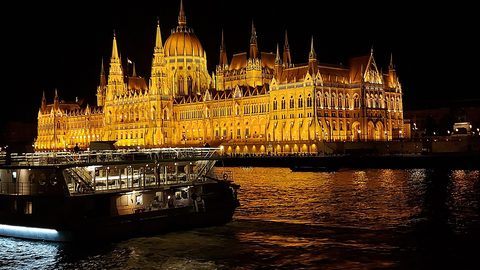 Budapest Danube Boat Trips From the Evening Cruise to the Szentendre Ferry
Budapest offers three distinct boat experiences on the Danube: the evening sightseeing cruise, the public ferry, and the Szentendre excursion. Each serves a different purpose.
Budapest Danube Boat Trips From the Evening Cruise to the Szentendre Ferry
Budapest offers three distinct boat experiences on the Danube: the evening sightseeing cruise, the public ferry, and the Szentendre excursion. Each serves a different purpose.
-
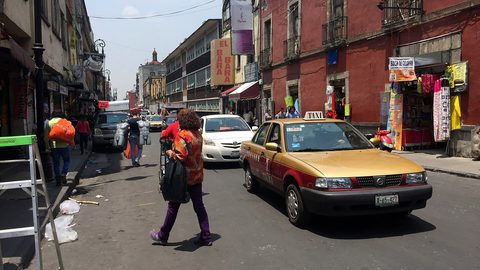 Budapest Safety and Common Scams Across the Central Europe Travel Corridor
Budapest has specific scams around ticket inspectors, airport taxis, and money changers that repeat across the Central Europe corridor. A practical field briefing.
Budapest Safety and Common Scams Across the Central Europe Travel Corridor
Budapest has specific scams around ticket inspectors, airport taxis, and money changers that repeat across the Central Europe corridor. A practical field briefing.
-
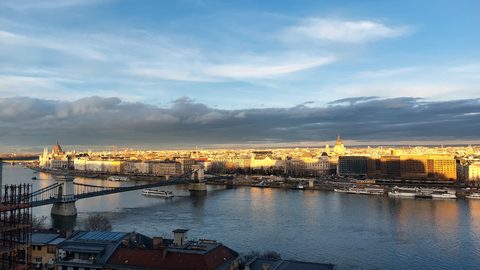 Budapest or Prague An Honest Comparison of the Two Central European Capitals
Budapest and Prague are the two Central European capitals everyone chooses between. One is grander and grittier, the other more compact and polished. Here is the honest comparison.
Budapest or Prague An Honest Comparison of the Two Central European Capitals
Budapest and Prague are the two Central European capitals everyone chooses between. One is grander and grittier, the other more compact and polished. Here is the honest comparison.
-
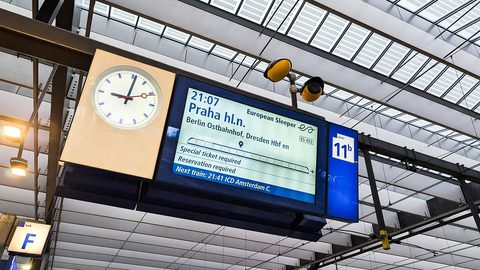 Central Europe by Train, the Night Routes and the Reservation Rules Nobody Explains
Budapest sits at the centre of a rail network where night trains still run to Kraków, Prague, and Vienna, but the reservation rules differ by country and carrier.
Central Europe by Train, the Night Routes and the Reservation Rules Nobody Explains
Budapest sits at the centre of a rail network where night trains still run to Kraków, Prague, and Vienna, but the reservation rules differ by country and carrier.
Common Questions
How many days do I need for a first trip to Budapest?
Three full days is the minimum. One for Pest's core, one for Buda's castle and hills, one for thermal baths and the Jewish Quarter. Any less and you treat Buda as a half day afterthought, which is the most common mistake.
Should I stay on the Buda side or the Pest side?
Stay on Pest unless you have a specific reason to be on Buda. Pest districts V, VI, VII, VIII, IX, and XIII put you close to the nightlife, the market, the ruin bars, and Parliament. Buda districts I, II, and XII are quieter and hilly, better for a second trip or for travellers who value views over walkability.
Which thermal bath should a first timer choose?
Széchenyi for the spectacle if you can tolerate crowds. Gellért for the architecture and a quieter morning. Rudas for the Ottoman dome and a local heavy crowd, especially at the weekend night session. Lukács for an almost purely local experience with no tourist crush.
Is it safe to drink tap water in Budapest?
Yes. Budapest tap water is safe and drinkable. The thermal bath water is mineral water and not for drinking in large quantities.
Do I need cash or is card accepted everywhere?
Card acceptance is high but not universal. Carry cash for smaller ruin bars, market stalls, and older canteens. ATMs are widely available. Do not rely on card for a 2,200 HUF airport bus ticket; that requires a separate purchase.
When is the worst time to visit Budapest?
August 10 to 15 during the Sziget Festival if you are not attending, because accommodation prices spike and the city centre tilts toward festival logistics. August 20 for St Stephen's Day brings road closures and dense crowds for the fireworks. The week of the Formula 1 Hungarian Grand Prix in late July if you have not booked a hotel months ahead.
Can I see Buda Castle in half a day?
No. The Castle District, Fisherman's Bastion, Matthias Church, and Gellért Hill together require a full day. The walking is steep and the distances are longer than they look on a map. The best views of Pest are from Buda at sunset, which demands being on that side in the late afternoon.
Read next
-
 Budapest Hotels With Thermal Baths, Danube Views and Design Cred
Budapest hotels that deliver real thermal-bath access, Danube panoramas, and design character, from the Gellért's Art Nouveau spa wing to Palace Quarter sleepers.
Budapest Hotels With Thermal Baths, Danube Views and Design Cred
Budapest hotels that deliver real thermal-bath access, Danube panoramas, and design character, from the Gellért's Art Nouveau spa wing to Palace Quarter sleepers.
-
 Where to Stay in Budapest for First-Timers Who Want the Right Vibe
Match your Budapest district to your travel style, from grand Belváros cafes to the ruin-bar hum of Erzsébetváros, with honest notes on noise and hill climbs.
Where to Stay in Budapest for First-Timers Who Want the Right Vibe
Match your Budapest district to your travel style, from grand Belváros cafes to the ruin-bar hum of Erzsébetváros, with honest notes on noise and hill climbs.
-
 Budapest Flights and Airport Transfer Traps to Avoid in 2025
Which budget airlines serve Budapest Ferenc Liszt Airport, how to get from BUD to the centre, and the taxi and bus ticket traps that catch first-timers.
Budapest Flights and Airport Transfer Traps to Avoid in 2025
Which budget airlines serve Budapest Ferenc Liszt Airport, how to get from BUD to the centre, and the taxi and bus ticket traps that catch first-timers.
-
 Budapest Things to Do That Are Not Just the Parliament and a Bath
Go beyond the Parliament and thermal baths with Budapest's nuclear bunker museum, exiled Soviet statues, ruin-bar farmers markets, and City Park boat rides.
Budapest Things to Do That Are Not Just the Parliament and a Bath
Go beyond the Parliament and thermal baths with Budapest's nuclear bunker museum, exiled Soviet statues, ruin-bar farmers markets, and City Park boat rides.
-
 When to Visit Budapest Around the Sziget Crush and the Christmas Markets
Plan Budapest around the Sziget Festival accommodation spike, the August 20 fireworks gridlock, and the F1 squeeze, then find the quiet-season spa mornings.
When to Visit Budapest Around the Sziget Crush and the Christmas Markets
Plan Budapest around the Sziget Festival accommodation spike, the August 20 fireworks gridlock, and the F1 squeeze, then find the quiet-season spa mornings.
-
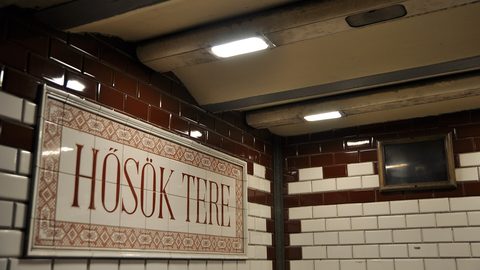 Getting Around Budapest Without Getting a 12000 Forint Fine
Master Budapest's BKK network: validate paper tickets before boarding, use the BudapestGO app offline, and know which metro lines inspectors patrol most.
Getting Around Budapest Without Getting a 12000 Forint Fine
Master Budapest's BKK network: validate paper tickets before boarding, use the BudapestGO app offline, and know which metro lines inspectors patrol most.
-
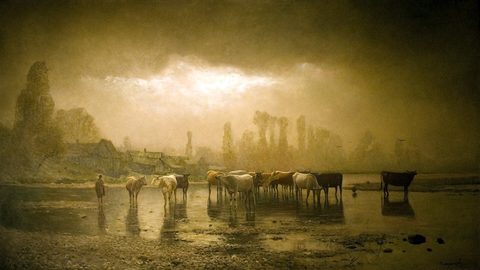 Hungary Beyond Budapest: Danube Bend Towns and the Great Plain
Hungary beyond Budapest packs Roman ruins, Baroque riverside towns, and the vast Puszta plain into a country you can cross by train in half a day.
Hungary Beyond Budapest: Danube Bend Towns and the Great Plain
Hungary beyond Budapest packs Roman ruins, Baroque riverside towns, and the vast Puszta plain into a country you can cross by train in half a day.
-
What Budapest and Central Europe Actually Cost Now, From a Lángos to a Thermal Bath Pass
Budapest still runs at roughly half the cost of Vienna for accommodation, meals, and attractions, but prices have risen sharply in the Jewish Quarter and Castle District.
-
Budapest Thermal Baths Compared Which One and How It Works
Széchenyi, Gellért, Rudas, Király, or Lukács—which Budapest thermal bath fits your trip based on architecture, crowds, gender rules, and local authenticity.