Plovdiv, Where the Roman Empire Never Really Left and the Kapana District Buzzes
Plovdiv wears six thousand years of habitation lightly, with a Roman theatre still staging operas and a creative quarter pulsing in the old tobacco warehouses.
- Flag
-
- ISO code
- BG
- Currency
- BGN
Plovdiv’s Roman Theatre, Where the Ancient Empire Hosts Modern Jazz and the Kapana District Buzzes
Europe's oldest continuously inhabited city is not a museum piece. It is not something behind glass. Plovdiv is a living city where a 2,000-year-old Roman theatre hosts a jazz festival in June. A Thracian fortress hill rises above a pedestrian street built on a Roman stadium. The 2019 European Capital of Culture designation did not freeze the city in amber. It accelerated its transformation into a genuinely creative small city. The continuity of habitation here is not an abstract superlative. It is the texture of everyday life.
Budapest shares this layered depth. The Habsburg palaces, the ruin bars, the thermal baths. But Budapest is a big city with a split personality and a scale that surprises first-timers. Plovdiv is the same conversation at a compressed, walkable scale. Stand on Nebet Tepe at 206 metres above sea level and you see six millennia of settlement in a single glance. The Thracian fortifications from the 5th millennium BC. The Roman stadium buried under Knyaz Alexander I Street. The Bulgarian National Revival houses from the 18th and 19th centuries on the cobbled lanes of the Old Town. The concrete block graffiti of the communist era. Below you, the Kapana district with its 50 new creative spaces. Every layer is accessible on foot. The whole thing fits inside a two-hour walk. The experience of that continuity is what defines a visit here, and navigating it without treating it as a checklist is the key to unlocking the city.
.jpg)
The Roman Theatre That Refuses to Be a Ruin
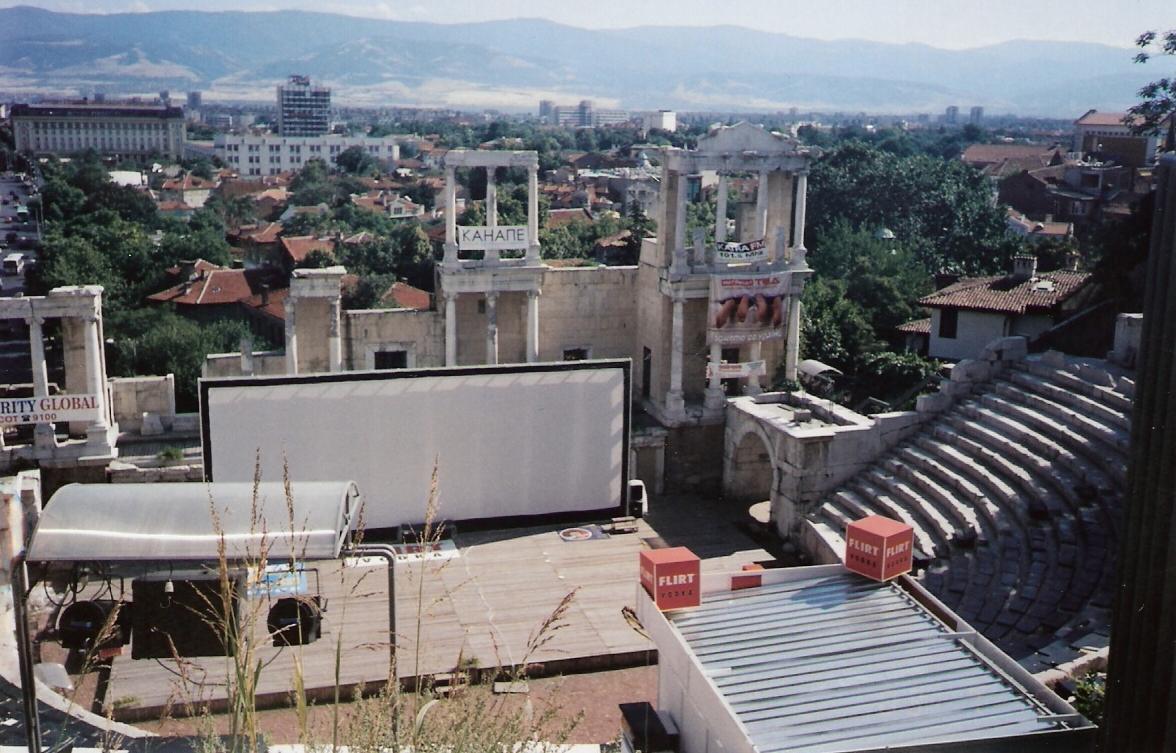
Start here. The Plovdiv Roman theatre, built in the late 1st century AD during the reign of Trajan, seats 3,500 spectators. It is the best-preserved Roman theatre in the Balkans. The preservation is not the point. The point is that it still works. The theatre runs a summer programme of opera, concerts, and theatre. Book tickets in advance for performances between June and August through the official Plovdiv municipality website. The 2025 schedule included the Plovdiv Opera Festival and the JazzEvenings festival. Arrive 30 minutes before a show. Enter through the southern gate. Sit on the stone seats. The acoustics are original. You do not need a sound system. The audience hears the performer as a Roman governor would have.
If you are not attending a performance, visit between 09:00 and 17:00. The entry fee in 2025 was 10 BGN for adults and 5 BGN for students. Skip the guided tour. The signage is excellent in English, and the site is small enough that a guide adds noise, not depth. Walk up to the top tier of seating. Look northeast. The view across the Old Town roofs toward the Rhodope Mountains is worth the price alone. The nearest peak, Golyam Persenk at 2,191 metres, is visible on clear days. The foothills are 30 kilometres from the city centre.
Three Sites, 20 Minutes Apart
Climb Nebet Tepe For The Chronology
The Roman theatre sits at the base of the Three Hills. Climb to Nebet Tepe, the highest of the three at 206 metres. The earliest fortification remains here are Thracian, from the 5th millennium BC. The path is steep and cobbled. Wear shoes with grip. Do not visit after rain. The payoff is the panoramic view. From this single spot you see the entire chronology of the city. The red-tiled roofs of the National Revival houses. The grey concrete of the communist apartment blocks. The minarets from the Ottoman period. The green spine of the Rhodopes. Allow 45 minutes for the climb and the time you will spend standing still.
Two Merchant Houses In The Old Town
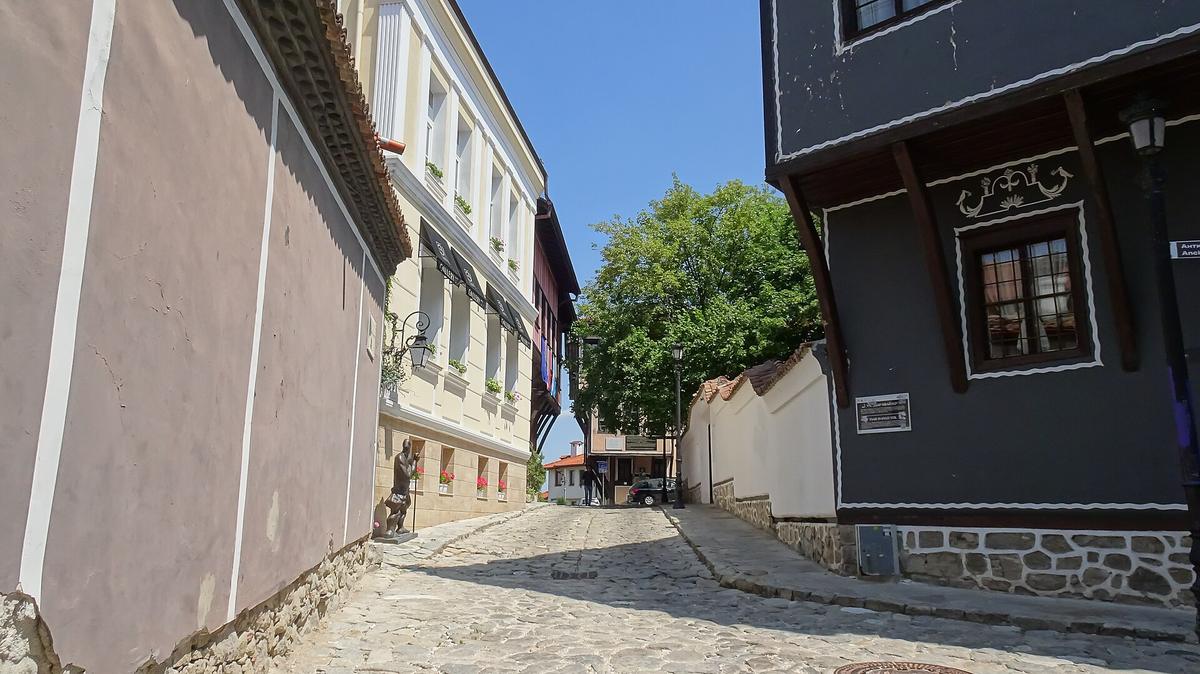
Descend into the Old Town. The architectural period here is the Bulgarian National Revival, roughly the 18th and 19th centuries. Two merchant houses are essential. Hindliyan House, built in 1835, is a symmetrical mansion with a central courtyard and painted ceilings. Kuyumdzhioglu House, built in 1847, now houses the Regional Ethnographic Museum. Enter the museum. The ethnographic collection is not remarkable, but the building itself is. The painted floral motifs on the ceilings, the carved wooden ceilings, the courtyard garden. Budget 40 minutes for both houses. Skip the souvenir shops along the way. They sell identical imports.
The Roman Stadium Beneath Your Feet
Walk to Dzhumaya Square. The Roman stadium from the 2nd century AD runs directly under the main pedestrian street. The original capacity was 30,000 spectators. The visible section is the northern curved end, about 240 metres long. The rest lies beneath Knyaz Alexander I Street and the surrounding buildings. You can see the exposed section in the square. It is a sunken ruin, ringed by cafes and a shopping mall. The juxtaposition is jarring. That is the point. You are standing on a street that has been a thoroughfare for 1,800 years.
Kapana: the Creative District That Delivers
When To Go And Why
Kapana means "the trap" in Bulgarian, a reference to the tangled medieval street layout that once confused invaders. Today it is the creative district, fully pedestrianised after Plovdiv's 2019 European Capital of Culture year. The post-2019 transformation added 50 studios, galleries, and workshops. The street art is not forced. The galleries are not sterile. The bars and cafes spill into the narrow lanes. Go on a weekday evening. The weekend crowds include large tour groups from Sofia, arriving 145 kilometres away on the A1 Trakia motorway. A two-hour bus ride. A two-and-a-half to three-and-a-quarter-hour train ride. They pack into Kapana between 11:00 and 15:00. Stay in the Old Town until 16:00, then walk down.
What To Do Inside Kapana
Do not treat Kapana as a shopping district. Buy something small from a working studio. A print. A ceramic piece. A crafted object. The point is the transaction with the maker. The point is not acquiring souvenirs. The cafes serve good coffee, but the food is better in the Old Town. Kapana is for drinking and looking. The wine bars lean toward Bulgarian varietals. Order a glass of Mavrud, the local red grape. It is tannic, dark, and rarely exported. The wine spritzer, called a "machinka" here, is a standard summer drink. One part wine, one part sparkling water. Do not order it in winter. The locals will assume you are a tourist who cannot read the weather.
The Day-Trip Schedule From Sofia
The practical thing: Sofia to Plovdiv is a straightforward day trip with six to eight hours on site. Trains depart 15 to 20 times per day from Sofia Central Station. The earliest departure is around 06:00. The latest return is around 21:30. Buses run every 30 to 60 minutes from the Central Bus Station. Arrive in Plovdiv by 09:00. Walk the theatre and Nebet Tepe first, before the heat and the crowds. Hit the Old Town at midday. Eat lunch in a revival house courtyard. Walk Kapana in the late afternoon. Take the 18:00 train back. That schedule covers the essential layers without rushing. If you have two days, add a hike in the Rhodope foothills or a longer evening in Kapana's live music bars. Three days and you can add a trip to Bachkovo Monastery, 30 kilometres south. But that is another page.

How Plovdiv Compares to Budapest for a Layered History Trip
If you are choosing between the two for a single trip, you should know what each demands and delivers. The table below is based on direct comparison on specific axes. Both cities reward the history traveller. They reward different amounts of time and effort.
| Axis | Plovdiv | Budapest |
|---|---|---|
| Minimum days for depth | 2 days | 3 days |
| Walkability score | High. All major sites within 30 min walk | Medium. Buda hills steep, Pest boulevards long |
| Roman remains visibility | Theatre and stadium are central and free or cheap | Aquincum is a 45 min tram ride and requires a full half day |
| Creative district | Kapana, post 2019, approx. 50 studios | Jewish Quarter ruin bars, more nightlife than studio space |
| Day trip from a capital | 2 hours from Sofia, minimal effort | N/A. Budapest is the capital |
| Peak season avoidance | June and September are cooler than July and August | June to August peak. Avoid August 10 20 for crowds and price spikes |
| Thermal baths | None on site. Plovdiv has mineral springs but no major bathhouse | Széchenyi and Gellért are world class. Book online to skip queues |
The Only Practical Thing You Need to Do Next
Book the train. Sofia to Plovdiv at 08:00, arriving before 10:30. Walk from the station to the Roman theatre. It is a 20-minute walk through the pedestrian street. Do not take a taxi. The walk is the introduction. You cross the Roman stadium in Dzhumaya Square before you even know you are on it. That is the feeling you came for.
More on Plovdiv
Frequently Asked Questions
How old is Plovdiv exactly?
The settlement on Nebet Tepe dates to the 6th millennium BC. That makes Plovdiv the oldest continuously inhabited city in Europe based on current archaeological evidence. The Thracian fortifications on Nebet Tepe date to the 5th millennium BC. The Roman theatre was built in the late 1st century AD. The claim is not symbolic. There is no gap in occupation.
Can I see the Roman stadium without an entrance fee?
Yes. The northern curved end of the stadium is exposed in Dzhumaya Square. It is a public space with no ticket required. The rest lies under Knyaz Alexander I Street and the surrounding buildings. You cannot access those sections on a standard visit.
Is one day enough for Plovdiv?
Yes, if you arrive early. The train or bus from Sofia takes two to three hours. A day trip with six to eight hours on site is feasible if you limit yourself to the Roman theatre, Nebet Tepe, the Old Town, and Kapana. Two days allows a slower pace, a meal in a revival house, and time in the Rhodope foothills.
What is the best season to visit?
May, June, and September. The summer programme at the Roman theatre runs June through August. July and August are hot, with daytime temperatures above 35°C. The theatre performances are evening events, so the heat is manageable. December brings Christmas markets but cold weather. Avoid August 10 to 15 if you are not attending a festival.
Do I need to book the Roman theatre in advance?
Yes, for performances. Tickets sell out for the Opera Festival and JazzEvenings. Book through the official Plovdiv municipality website. For daytime visits, the ticket office sells entry on the spot. Queues are short outside peak hours of 11:00 to 14:00.
Is Plovdiv accessible for travellers with mobility issues?
The Old Town has steep cobbled streets and steps. Nebet Tepe is a climb on uneven stone. The Roman theatre requires walking through multiple levels. The flat areas are Kapana, the pedestrian street, and Dzhumaya Square. For the rest, you need good walking shoes and reasonable fitness.
Can I use credit cards everywhere?
No. Most galleries, small cafes, and market stalls in Kapana and the Old Town prefer cash. ATMs are widely available on the pedestrian street. Carry 100 BGN in small denominations. Larger restaurants and hotels accept cards.
Read next
-
 Where to Stay in Plovdiv Kapana District or Old Town for the Best Base
Plovdiv's Old Town offers atmosphere and views but steep climbs, while Kapana delivers cafe culture at the cost of late-night noise.
Where to Stay in Plovdiv Kapana District or Old Town for the Best Base
Plovdiv's Old Town offers atmosphere and views but steep climbs, while Kapana delivers cafe culture at the cost of late-night noise.
-
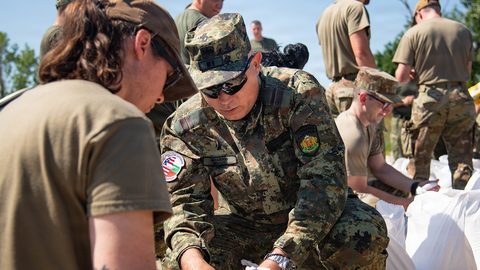 Plovdiv Things to Do Roman Theatre Kapana Art and the Seven Hills Walking Route
Plovdiv layers Thracian ruins, Roman spectacle, Ottoman architecture and Kapana's street art across seven hills you can walk in a single day.
Plovdiv Things to Do Roman Theatre Kapana Art and the Seven Hills Walking Route
Plovdiv layers Thracian ruins, Roman spectacle, Ottoman architecture and Kapana's street art across seven hills you can walk in a single day.
-
 Getting Around Plovdiv Without a Car: Buses, Taxis and Walking the Hills
Plovdiv is best explored on foot but buses and taxis connect the hills and outlying districts. Learn the routes, fares and taxi traps before you go.
Getting Around Plovdiv Without a Car: Buses, Taxis and Walking the Hills
Plovdiv is best explored on foot but buses and taxis connect the hills and outlying districts. Learn the routes, fares and taxi traps before you go.
-
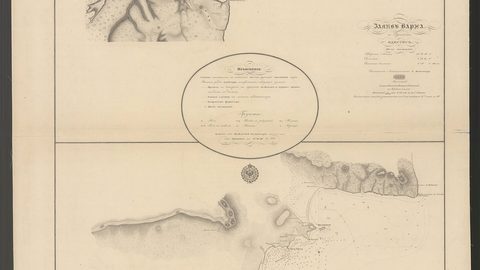 Bulgaria Travel Guide: Plovdiv Roman Layers, Rhodope Villages and the Coast
Bulgaria layers Thracian tombs, Roman theatres, and Rhodope Mountain villages into a compact country where Plovdiv anchors any serious itinerary.
Bulgaria Travel Guide: Plovdiv Roman Layers, Rhodope Villages and the Coast
Bulgaria layers Thracian tombs, Roman theatres, and Rhodope Mountain villages into a compact country where Plovdiv anchors any serious itinerary.
-
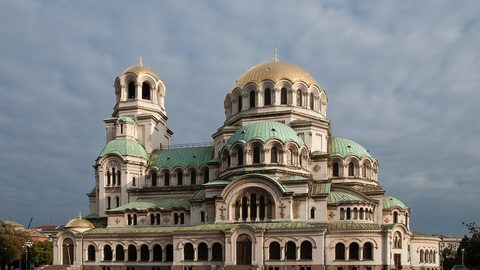 Plovdiv or Sofia Which Bulgarian City Should You Base Yourself In
Plovdiv and Sofia offer two different Bulgarias: one an intimate arts city with a Roman theatre, the other a sprawling capital with mountain access. Which one suits your trip.
Plovdiv or Sofia Which Bulgarian City Should You Base Yourself In
Plovdiv and Sofia offer two different Bulgarias: one an intimate arts city with a Roman theatre, the other a sprawling capital with mountain access. Which one suits your trip.
-
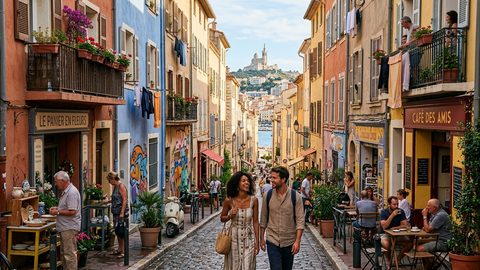 A Week in Marseille Beyond the Vieux-Port — Neighborhoods Worth Knowing
Most visitors never leave the harbor. This guide covers four Marseille neighborhoods worth a week of your time, with real prices from spring 2024.
A Week in Marseille Beyond the Vieux-Port — Neighborhoods Worth Knowing
Most visitors never leave the harbor. This guide covers four Marseille neighborhoods worth a week of your time, with real prices from spring 2024.
-
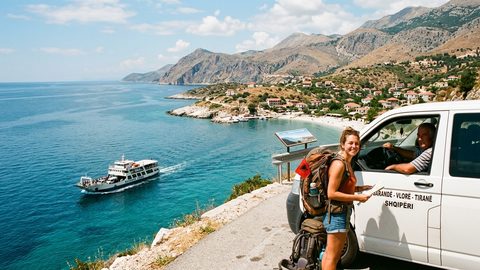 Albania by Furgon and Coastal Ferry for Independent Travelers
A practical overland guide to Albania by local furgon and Adriatic ferry — real logistics on stations, small-town accommodation, and staying connected.
Albania by Furgon and Coastal Ferry for Independent Travelers
A practical overland guide to Albania by local furgon and Adriatic ferry — real logistics on stations, small-town accommodation, and staying connected.