Leiden, Where the Canals Are Quieter and Rembrandt Learned to Paint
Leiden offers the same canal-ring beauty as Amsterdam at half the crowd density, with a 450-year-old university that shaped the city's intellectual character.
- Flag
-

- ISO code
- NL
- Population
- 119,713
- Currency
- EUR
- Timezone
- Europe/Amsterdam
Leiden, Where the Canals Are Quieter and Rembrandt Learned to Paint
Amsterdam gets twenty million visitors a year. Leiden gets 1.5 million. That single fact reshapes everything. The canals here are not a backdrop for a crowd. They are a working waterway grid. You walk beside them. You cross them on foot. You cycle along them without dodging selfie sticks. The common assumption that the Dutch canal experience belongs to Amsterdam is wrong for plenty of travellers. Wrong, and easily fixed.
Leiden works as a counterpoint the way Buda balances Pest. The Danube splits those two halves by scale and energy. Leiden splits them by volume and pace. Amsterdam delivers kinetic spectacle. Leiden delivers the same architecture, the same gabled skyline, the same canal loops, but at a human scale. You can hear your own footsteps on the Rapenburg. That matters if you have spent a day in the Amsterdam crush and wondered where the quieter version went.
The University Rhythm
Universiteit Leiden, founded in 1575, is the oldest university in the Netherlands and the city's engine. It puts 34,000 students into a municipality of 130,000 people. That ratio defines the rhythm. Term runs September to August. A sharp lull hits from mid July to late August. Plan your visit outside that summer recess if you want the city animated by student life. Inside it, you get quieter cafes and fewer bikes. You also get fewer events running.
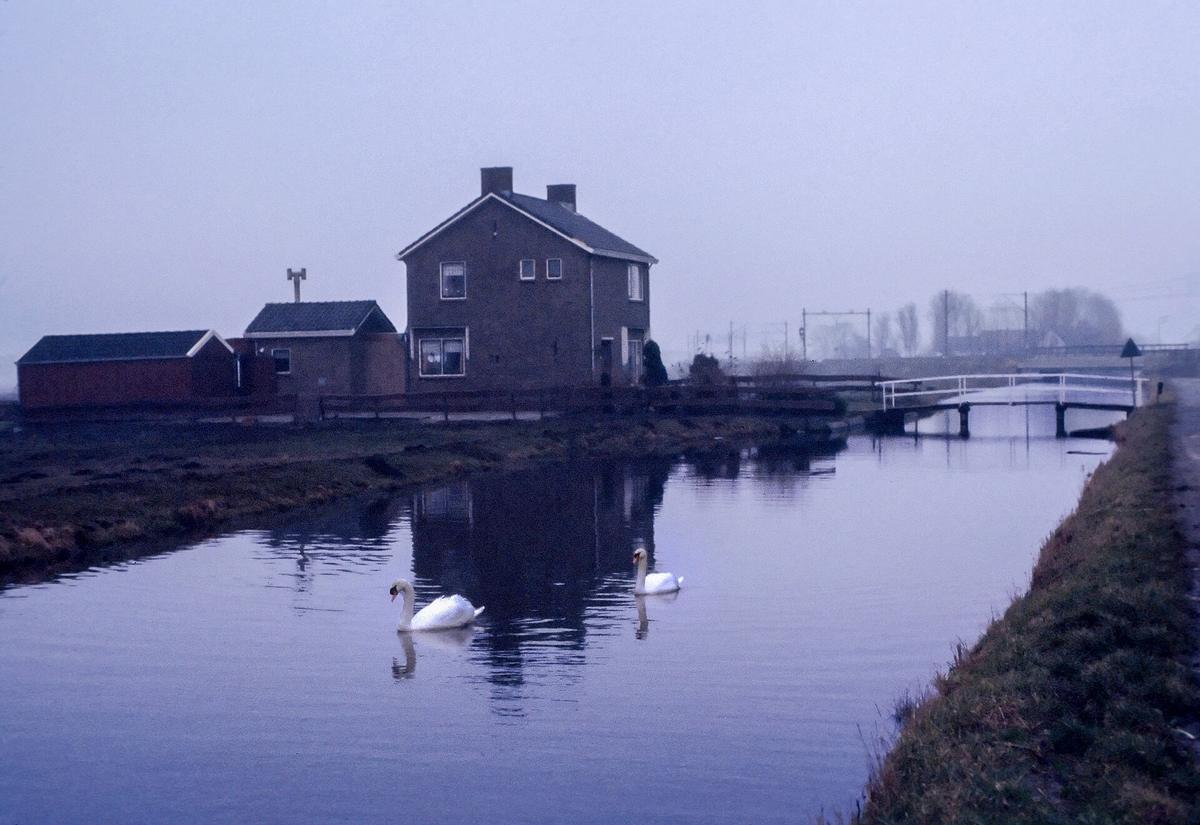

What the University Built: Gardens, Museums, and a Painter’s Youth
Hortus Botanicus Leiden
This botanic garden, founded in 1590, is the direct result of the university's founding ambition. Its real claim is the tulip. Carolus Clusius planted the first European tulip bulbs here in 1593. You stand on the ground where the Dutch tulip industry started. Arrive at opening time. Walk the outdoor beds before the school groups arrive. The glasshouses hold tropical collections, but the outdoor Clusius garden is the reason you came. Admission is roughly 10 euros.
Rijksmuseum van Oudheden
The National Museum of Antiquities holds 180,000 objects. Forget the number. The focus is sharper: it takes the ancient world and makes it tangible with an Egyptian temple you walk into. The permanent collection covers Egypt, the classical world, and the Netherlands' own Roman frontier. Budget two hours minimum. Book online to avoid queuing on weekend afternoons.
Naturalis
Naturalis holds 43 million specimens. A natural history museum built for scale, with a dramatic white atrium and a T. rex skeleton as the centerpiece. If you are travelling with children, this is the anchor. Without children, you can see the highlights in 90 minutes. The collection is vast. The public exhibition space is designed for families. Skip the gift shop.
Rembrandt's Leiden
Rembrandt van Rijn was born on the Weddesteeg in 1606, now marked as Rembrandtplaats. The house is gone. The street is walkable. The connection is not a museum but a fact of the city's character. He learned to paint in Leiden before Amsterdam took him. Trace his early years through the city's collection of his etchings at the Leiden Museum De Lakenhal. That museum holds his early work and explains how the university city shaped him. Check opening hours before you go. De Lakenhal closes on Mondays.
Getting in and Getting Around
Fly into Schiphol Airport from Budapest Ferenc Liszt International Airport, then take the Intercity direct train from Schiphol to Leiden Centraal. The train takes 15 minutes and runs multiple times per hour. That connection makes Leiden a viable add on for any central Europe itinerary. You can land at Schiphol and be in the city centre before your Budapest accommodation would have let you check in.
From Amsterdam Centraal, the Intercity takes 36 minutes. Do not rent a car. Leiden's centre is built for walking and cycling. The canal network includes the Singel, Rapenburg, Oude Vest, Nieuwe Rijn, Oude Rijn, and Herengracht. You will cross them constantly. Rent a bike from a shop near the station. The city has 34,000 students who bike everywhere. You will not look out of place.
Reaching the Bulb Fields
Ride the LF4 Midden Nederlandroute or the local knooppunt network from Leiden Centrum. The ride is 10 to 25 km one way into the Bollenstreek between Leiden and Haarlem. Peak bloom is mid April to early May. Park your bike and walk into the fields. Do not trample the flowers.
An Uncrowded Itinerary and What to Skip
Start at the Rapenburg canal before 09:00. It is the most photogenic canal in the city. Empty at that hour. Walk south to the Hortus Botanicus. Enter through the main gate. Spend 45 minutes in the Clusius garden and the grounds. Then walk five minutes to the Rijksmuseum van Oudheden. Book your ticket for 10:00. By 12:30 you have done two major sites before lunch crowds form.
Eat at a lunchroom on the Nieuwe Rijn, not in a tourist square. After lunch, walk to Molenmuseum De Valk on the 2e Binnenvestgracht. This is a tower mill built in 1743, set on the former city ramparts. Climb it for the view. Skip the windmill if you have seen one already in Kinderdijk or Zaanse Schans. It is identical in function and less dramatic.
Afternoon Choices
Afternoon can go to Naturalis if you have energy, or to the gable stones. Over 3,000 registered gevelstenen are scattered across the city. They are carved stone plaques set into facades that once served as house numbers. Hunt for them on the Herengracht and Oude Vest. It costs nothing. It pulls you into side streets the crowds miss.
Dinner should be booked ahead. The student population means good casual food. Avoid the narrow streets near the station. Walk toward the university buildings where the prices drop and the quality rises.
What to Skip
Skip the Leiden card sold at the tourist office. It bundles museums you may not want and creates a schedule pressure that defeats the point of a quiet canal city. Pay entry at each site as you go.

| Factor | Leiden | Amsterdam | Budapest |
|---|---|---|---|
| Annual Visitors | 1.5 million (2023, Leiden Marketing) | 22 million (2023, Amsterdam City Council) | Not comparable directly, but Budapest is a capital |
| Canal or River Experience | Quiet walking paths, bike friendly, few tour boats | Crowded bridges, packed boat tours, constant foot traffic | Danube riverwalk with views, no canal grid |
| University Engine | 34,000 students in a city of 130,000 (2024 estimate) | Amsterdam has universities but not the defining role | ELTE and others present, but Budapest is not a university town |
| Best Season | Mid April to early May for bulbs, or September for settled crowds | April to May and September to October to avoid summer crush | June to August for warm weather and festivals |
Frequently Asked Questions
How far in advance should I book the Rijksmuseum van Oudheden?
Book 48 hours ahead for a weekend visit. Weekday visits rarely need more than same day booking, but online booking saves you the queue at the ticket desk regardless.
Can I see the bulb fields and Leiden in one day?
Yes, but only in mid April to early May. Rent a bike at Leiden Centraal by 08:30. Ride 10 to 25 km one way into the Bollenstreek. Return by 13:00. You lose the afternoon for museums.
Is Leiden worth visiting during the summer recess?
Yes, if you want quiet. The student population drops from 34,000 to a few hundred on site. Cafes stay open. Museums run normally. The city feels like a resort town without beaches.
Which canal is best for a walk?
Rapenburg is the best canal. It runs past the Hortus Botanicus and the old university buildings. It has the least traffic and the widest pavements. Walk it from the Pesthuis to the old gate in 20 minutes.
Read next
-
 Things to Do in Leiden When You Have Fifteen Minutes From Schiphol
Step off the train fifteen minutes from Schiphol into Leiden's canal-laced streets, ancient university courtyards, and the Rijksmuseum van Oudheden Egyptian collection.
Things to Do in Leiden When You Have Fifteen Minutes From Schiphol
Step off the train fifteen minutes from Schiphol into Leiden's canal-laced streets, ancient university courtyards, and the Rijksmuseum van Oudheden Egyptian collection.
-
 The Netherlands Past Amsterdam: Leiden, Delft and the Randstad Loop
The Netherlands beyond Amsterdam means Leiden's university canals, Delft's Vermeer streets, and Utrecht's wharf cellars, all connected by frequent Randstad trains.
The Netherlands Past Amsterdam: Leiden, Delft and the Randstad Loop
The Netherlands beyond Amsterdam means Leiden's university canals, Delft's Vermeer streets, and Utrecht's wharf cellars, all connected by frequent Randstad trains.
-
 A Week in Marseille Beyond the Vieux-Port — Neighborhoods Worth Knowing
Most visitors never leave the harbor. This guide covers four Marseille neighborhoods worth a week of your time, with real prices from spring 2024.
A Week in Marseille Beyond the Vieux-Port — Neighborhoods Worth Knowing
Most visitors never leave the harbor. This guide covers four Marseille neighborhoods worth a week of your time, with real prices from spring 2024.
-
 Albania by Furgon and Coastal Ferry for Independent Travelers
A practical overland guide to Albania by local furgon and Adriatic ferry — real logistics on stations, small-town accommodation, and staying connected.
Albania by Furgon and Coastal Ferry for Independent Travelers
A practical overland guide to Albania by local furgon and Adriatic ferry — real logistics on stations, small-town accommodation, and staying connected.