Tallinn When the Cruise Ships Leave and the City Breathes
Tallinn's Old Town is beautiful but ferry crowds overwhelm it—Kalamaja, Telliskivi, and Patarei show the city that exists beyond the medieval walls.
- Flag
-

- ISO code
- EE
- Population
- 394,024
- Currency
- EUR
- Timezone
- Europe/Tallinn
Kalamaja and the Sea Fortress Wait Beyond the Wall
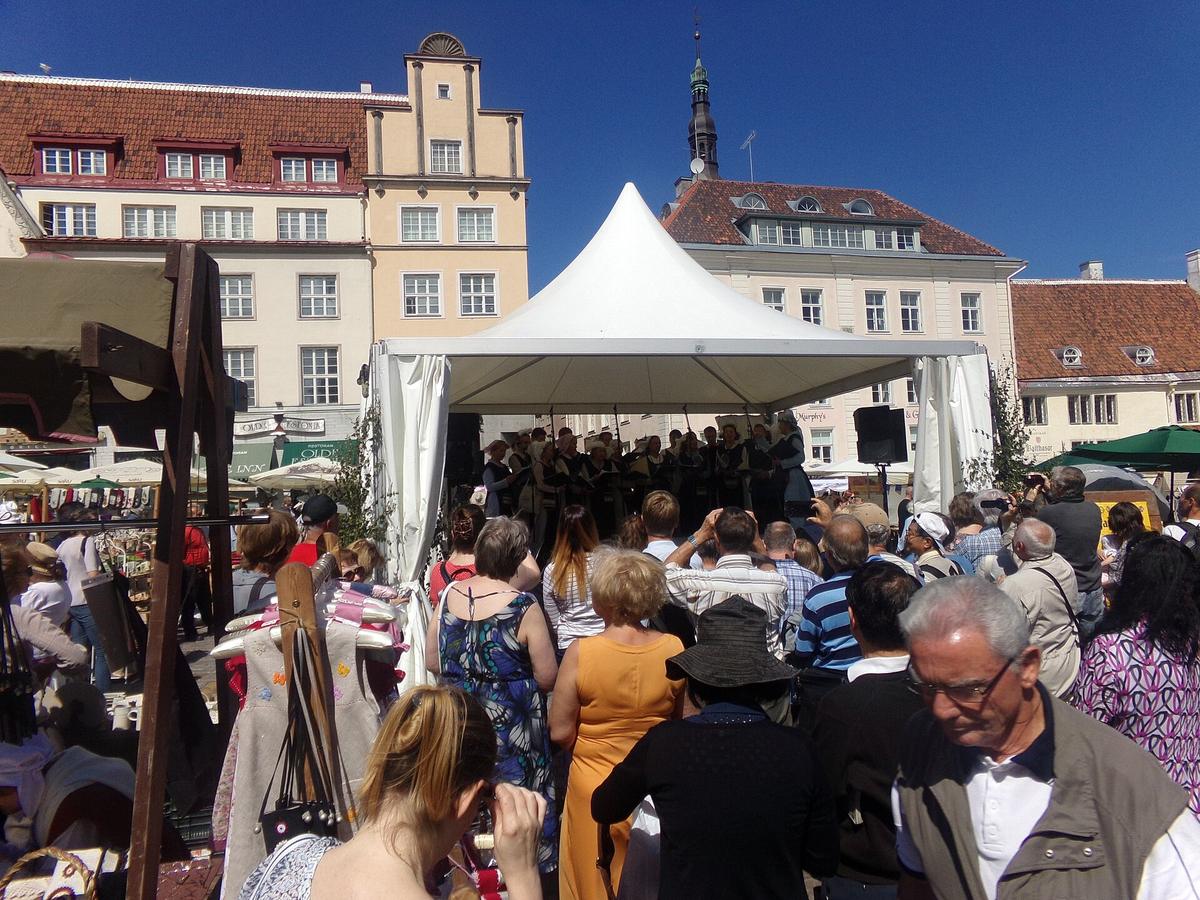
The mistake most first-time visitors to Tallinn make is thinking the Old Town is the whole city. It is not. The UNESCO-inscribed core is a 1.13 square kilometre medieval set piece of cobbled alleys, apothecaries, and merchant houses that genuinely delivers on every fairy-tale promise. But from June through August, the Old Town absorbs 559,000 cruise passengers (Port of Tallinn, 2024 count) who arrive on 295 ship calls, plus the Helsinki ferry crowds that cross the 80-kilometre Gulf in two hours for a day of schnapps and felt hats. By 11:00, Viru Street is a slow-moving human queue. By 15:00, the viewing platforms on Toompea feel like boarding gates.
The real Tallinn sits beyond the wall. It always has. The question is where to go when the sun is still up and the ferry hasn't yet sailed. The streets to walk, the courtyard to enter, and the fortress to explore await after you have seen the Town Hall square and climbed both the Kohtuotsa and Patkuli viewing platforms. You have about three hours after the cruise passengers reboard before the Helsinki ferries depart around 19:00. Do not spend them in a souvenir arcade. Spend them in the creative quarter, the wooden-house district, and the sea fortress.

Kalamaja: Wooden Houses and a Harbour Edge
Walk the Painted Streets
This district was first documented in 1374 as a fishing village outside the defensive wall. That is still its identity. The neighbourhood sits just north of the Old Town, a fifteen-minute walk from the Viru Gate, and it contains the densest concentration of 19th-century wooden housing in the city. These are not restored facade shells. They are lived in. You will see laundry lines, bicycles chained to fences, corner grocery shops that still use handwritten price tags.
Walk Soo Street and Vabriku Street for the best rows of painted wooden houses. The colours are intentional. Each house was painted to signal the trade of its original owner. The streets are quiet by mid-afternoon. The only bustle comes from the Kalarand beach, a rocky strip of Baltic shoreline where locals swim from June through August. The water temperature rarely exceeds 18 degrees Celsius. People swim anyway.
Sit on the Pier at 18:00
If you want to see how Tallinn actually lives, sit on the pier at Kalarand at 18:00 and watch the Helsinki ferry pull away from the harbour that borders this district. One thing to budget for: cash. The small bakeries, the second-hand shops, and the unmarked bars here do not reliably take cards. The district is residential, not commercial. That is the point.
Telliskivi Creative City: the Railway Yard That Became the Centre
Enter Through the Market
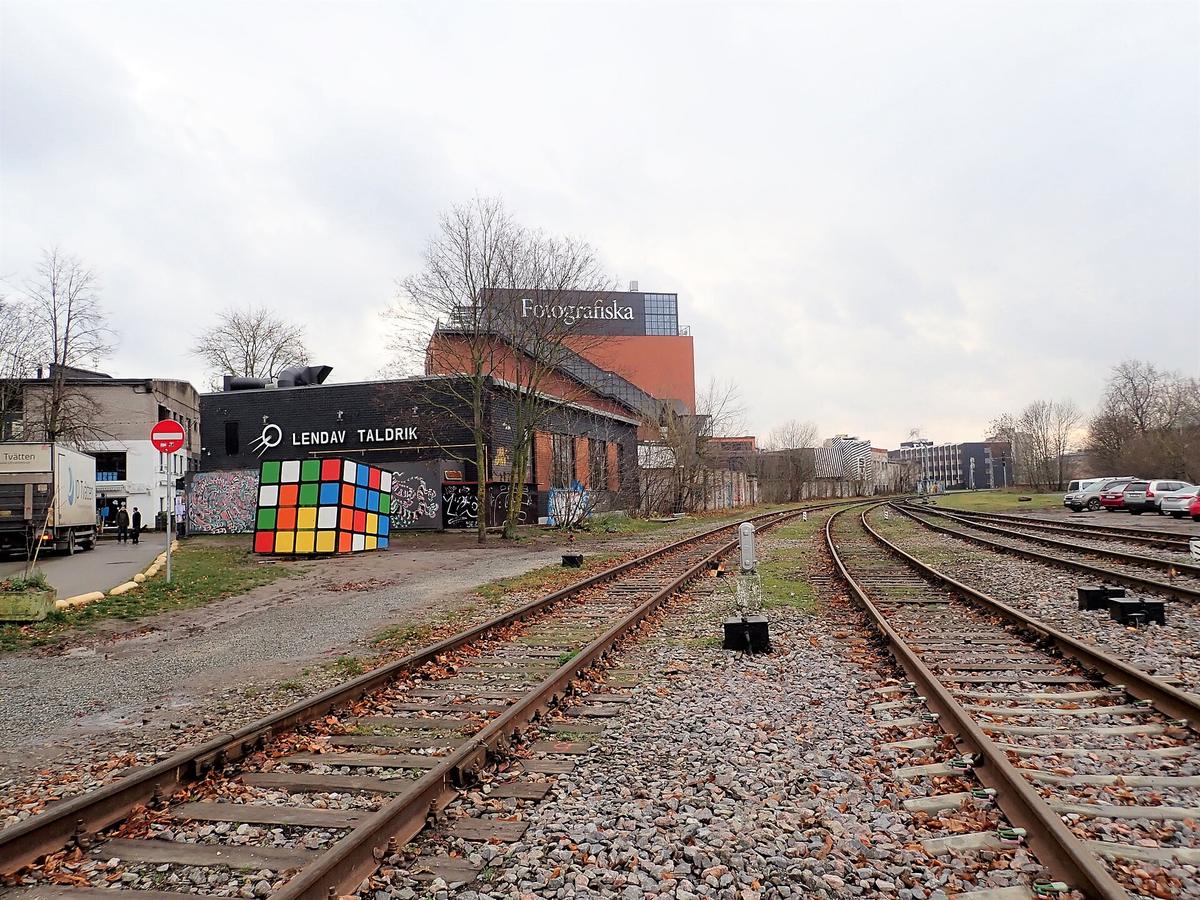
This creative quarter occupies the former Balti Raudtee Tehas, a railway factory that closed in the 1990s and sat derelict until 2009, when the first studios opened. By 2025, it had grown into the anchor of Tallinn's alternative culture. The site is a direct five-minute walk from the Balti Jaam train station, which is also the terminus of the Helsinki ferry shuttle bus, so you pass it on the way to the Old Town anyway. Do not pass it. Go in.
The courtyard contains a permanent food market called the Balti Jaama Turg. Enter from the creative-quarter side, not the station side. The station entrance leads through produce aisles; the other entrance leads directly to the prepared food hall where you can eat a smoked fish plate or a bowl of Estonian barley porridge for eight to ten euros. The market is open daily until 19:00, later on Fridays. The independent fashion boutiques and design studios in the factory buildings close earlier, around 18:00. Arrive by 15:00 if you want to browse them.
Walk the Courtyard Loop
The yard itself is a festival of Baltic street art. The murals are commissioned, not spontaneous. They change every two years. The current set, installed in spring 2025, includes a nine-storey-tall face by the Estonian painter Edward von Lõngus that fills the eastern wall of the old locomotive shed. You do not need to pay to see it. Walk the full loop of the courtyard and exit through the rear gate onto the rail tracks, where a pop-up bar operates from April through October. It is the least crowded place within a kilometre of the Old Town.
This is not for everyone. The concrete floors and exposed wiring are industrial, not polished. If you want a mall, this is the wrong door. If you want the Tallinn that the 295 cruise ships do not touch, this is where it lives. If you prefer that unfiltered edge, Belgrade answers with its own fortress walls and a nightlife that floats on the river instead of spilling from a cruise gangway.
Patarei Sea Fortress and the Baltic Edge
Walk the Ramparts at Sunset
The Patarei Sea Fortress sits at the northern tip of the wooden-house district, where the ferry lanes converge before the Gulf of Finland opens. It was built as a tsarist coastal battery in the 1840s, converted into a prison by the Soviet regime in 1920, and operated as a detention facility until 2002. As of 2025, the main prison building is closed for structural repairs and is not accessible. The seaward ramparts, the exterior walls, and the surrounding park are open and free. Walk the ramparts at sunset. The concrete is still marked with worn Soviet inscriptions and the view across the water to the approaching ferries is the most sobering panorama in the city.
Skip the Museum, Do the Loop
The sea fortress compound also contains the Estonian Maritime Museum's Seaplane Harbour, which is a completely separate attraction. That museum is open daily, costs around 14 euros, and houses a full-size submarine. You can skip it if you are short on time. The better use of your hour is the exterior rampart walk and then a direct walk south along the harbour edge into the wooden-house streets. The entire loop from the creative quarter through the old fishing district to the fortress and back to the Old Town takes about two hours at a slow pace. That is exactly the amount of time you have between the cruise ship departure and the last Helsinki ferry.

| District | Walk From Viru Gate | Best Time To Visit | Main Draw | Cash Needed |
|---|---|---|---|---|
| Kalamaja | 15 minutes | 14:00 to 17:00 | Wooden houses, local life, harbour pier | Yes, many shops cash only |
| Telliskivi | 10 minutes via Balti Jaam | 11:00 to 15:00 | Street art, design studios, food market | Cards accepted at most stalls |
| Patarei Sea Fortress | 20 minutes | 17:00 to sunset | Coastal ramparts, Soviet prison exterior | No cost for ramparts |
The Late-September Sunday Window
Arrive in Tallinn on a Sunday afternoon in late September. That is the single most practical instruction for experiencing the Old Town beyond its walls. On a late September Sunday, the cruise ships dock only one or two calls, the Helsinki ferries carry half the summer load, and the Old Town empties by 16:00. You can walk the Kohtuotsa viewing platform in silence at sunset. You can enter the creative quarter during the quiet hour before the food market closes. You can stand alone on the Patarei ramparts while the ferry lights flicker on across the darkening water. That is the Tallinn the brochures do not sell.
Common Questions
How far is it from the Old Town to Kalamaja?
Fifteen minutes on foot from the Viru Gate. Walk north on Pikk Street until it becomes Soo Street. You cross the railway tracks at the Balti Jaam station. The wooden houses start immediately after the tracks.
Is Telliskivi worth visiting on a Sunday?
Yes, but the design shops close by 17:00 or earlier. The Balti Jaama Turg food hall stays open until 19:00 and is busiest between 12:00 and 14:00. The outdoor bar at the rear track only opens Sunday if the weather is above 20 degrees.
What time do the cruise ships leave?
Most dock between 09:00 and 10:00 and depart between 16:00 and 17:30. The Helsinki ferries run a more complex schedule, but the peak afternoon departure window is 18:30 to 19:30. The streets are noticeably quieter by 17:00.
Can you swim at Kalarand beach?
Yes. The water quality is monitored and usually passes. The bottom is a mix of gravel and sand. There are no lifeguards. The water is cold even in August, typically 16 to 18 degrees.
Do the districts beyond the wall cost anything to enter?
No. Kalamaja and Telliskivi are free to walk. Patarei's ramparts and park are free. The Seaplane Harbour museum and the Patarei prison building charge entrance fees. The prison building is closed for repairs as of 2025.
Read next
-
 Estonia Travel Guide: Tallinn, the Islands, and the Most Digital State in Europe
Explore Estonia from Tallinn's medieval old town and creative Kalamaja district to the remote Baltic islands and the digital infrastructure that shapes daily life.
Estonia Travel Guide: Tallinn, the Islands, and the Most Digital State in Europe
Explore Estonia from Tallinn's medieval old town and creative Kalamaja district to the remote Baltic islands and the digital infrastructure that shapes daily life.
-
 A Week in Marseille Beyond the Vieux-Port — Neighborhoods Worth Knowing
Most visitors never leave the harbor. This guide covers four Marseille neighborhoods worth a week of your time, with real prices from spring 2024.
A Week in Marseille Beyond the Vieux-Port — Neighborhoods Worth Knowing
Most visitors never leave the harbor. This guide covers four Marseille neighborhoods worth a week of your time, with real prices from spring 2024.
-
 Albania by Furgon and Coastal Ferry for Independent Travelers
A practical overland guide to Albania by local furgon and Adriatic ferry — real logistics on stations, small-town accommodation, and staying connected.
Albania by Furgon and Coastal Ferry for Independent Travelers
A practical overland guide to Albania by local furgon and Adriatic ferry — real logistics on stations, small-town accommodation, and staying connected.