Serbia: Belgrade's River Clubs, Novi Sad's Austro-Hungarian Squares, and the Southern Wilds
Serbia runs from Belgrade's floating river clubs through Novi Sad's Austro-Hungarian squares to the skull tower and rock formations of the overlooked south.
- Flag
-
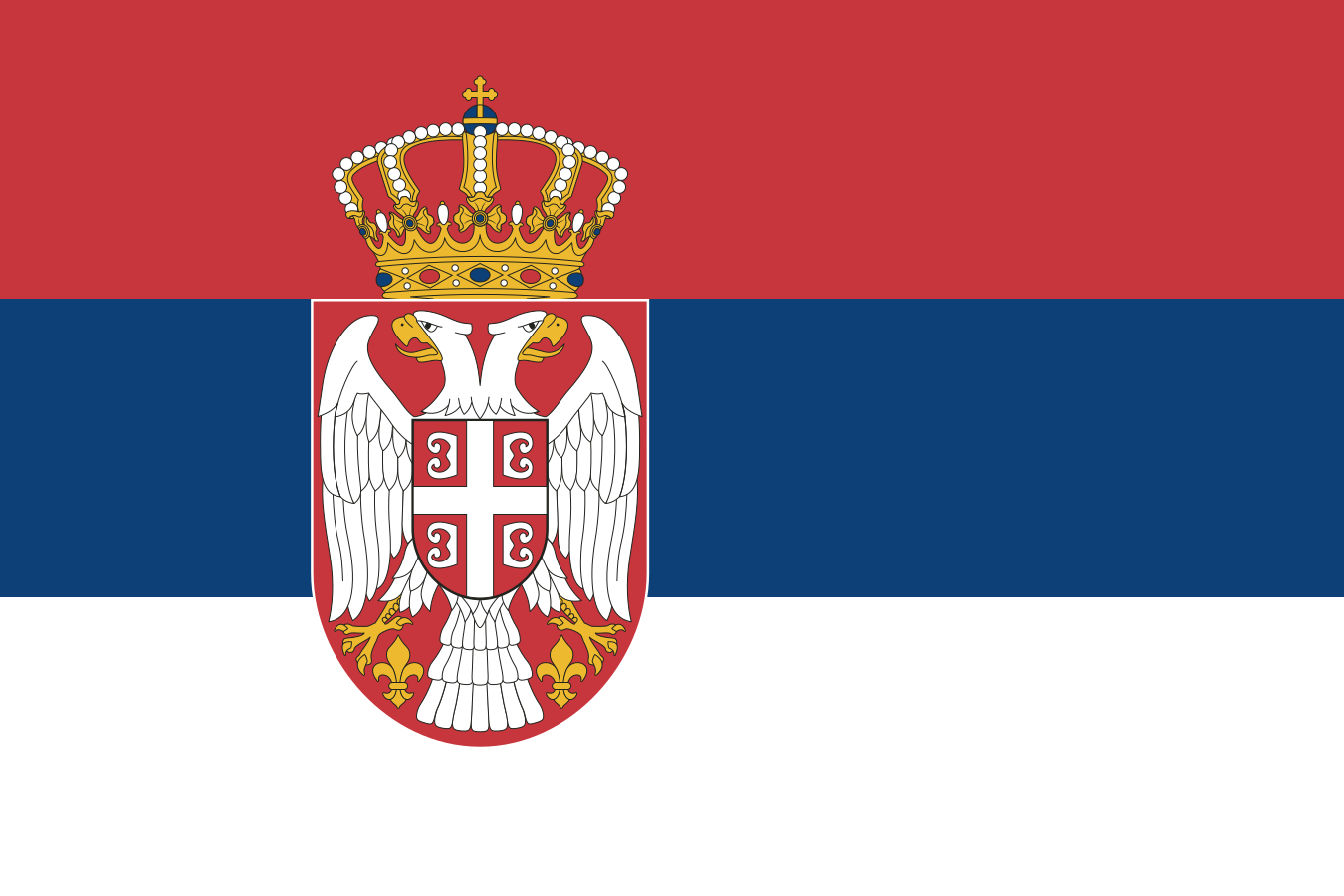
- ISO code
- RS
- Population
- 6,982,084
- Currency
- RSD
- Dial code
- +381
Southern Serbia and Vojvodina Beyond the Danube Party Strip
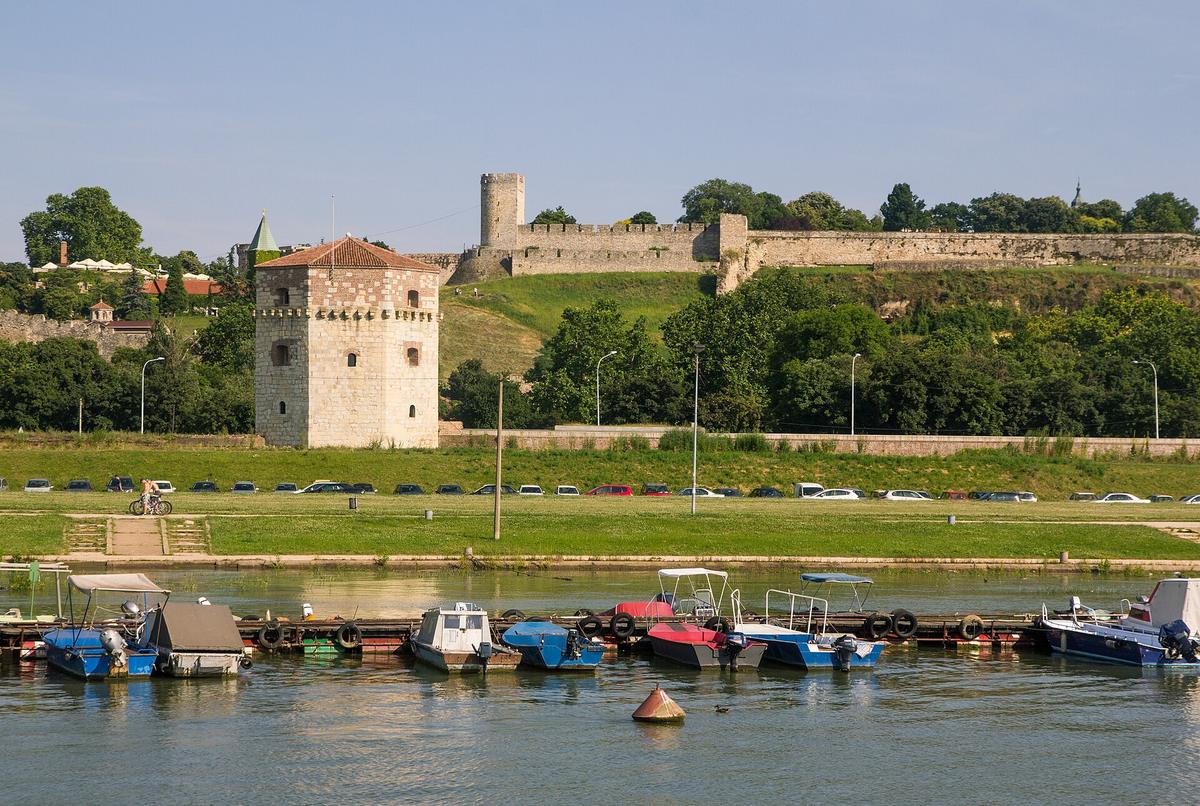
Belgrade's splavovi float until dawn from April to October, and Novi Sad's EXIT Festival packs Petrovaradin Fortress every July. That is the Serbia most travellers book. What they miss is 88,361 square kilometres of a country where the south remains genuinely under visited and the north operates as a distinct Austro-Hungarian cultural zone. The selling point of southern Serbia is its remoteness. You do not go to Niš for nightlife. You go because the Ottoman forts, the 13th-century frescoes at Sopoćani, and the earth pyramids of Đavolja Varoš are still quiet enough that you might be the only foreigner on site.
Southern Serbia and Vojvodina answer what there is to see beyond Belgrade's nightlife and Novi Sad. The region tells you which parts of Vojvodina deserve a full day, which religious house to prioritise over all others, and why you should budget for cash everywhere outside the capital.
.jpg)
Vojvodina: Not Just Novi Sad
First-time visitors treat Novi Sad as a day trip from Belgrade. The high-speed rail line now covers the 75 kilometres in 36 minutes, which makes it dangerously easy to treat the city as a quick hit. That is a mistake. Novi Sad's population of 260,438 anchors a province where 10.5% of the inhabitants are ethnic Magyars, 2.1% Slovak, and 1.9% Croatian, and the official languages include Serbian, Magyar, Slovak, Romanian, Croatian, and Rusyn. That diversity shaped the architecture. Petrovaradin Fortress, built between 1692 and 1780, is the obvious draw, but the Austro-Hungarian baroque and secessionist buildings in the city core do more to explain Vojvodina's identity than the fortress does.
You want one full day in Novi Sad itself. Take the early train from Belgrade (Srbija Voz operates the service). Walk the fortress grounds before 10:00 when the tour groups arrive. Then spend the afternoon on the grid of pedestrian streets south of the Danube, around Zmaj Jovina and Dunavska. The gallery of Matica Srpska holds the most important collection of Serbian 18th- and 19th-century painting in the country. It is rarely crowded.
Subotica and the Magyar-Majority Towns
Subotica lies 100 kilometres north of Novi Sad, a three- to four-hour train ride from Belgrade. The town's single reason for existing on your itinerary is the Subotica Synagogue, completed in 1902 in Hungarian Art Nouveau style. It underwent a full restoration completed in 2018, and the interior's floral motifs and stained glass are unmatched in the region. Arrive before noon to avoid the heat in summer. The synagogue charges a modest entry fee, cash only. Subotica itself is a grid of pastel Habsburg buildings with a main square, Trg Slobode, that sees almost no international tourists. For a deeper minority experience, push further east to Kanjiža, where the census reports over 85% Magyar population. There is no major hotel. You go for the rural pace and the fact that locals speak Magyar as their first language, not Serbian.
Fruška Gora: Wine and the Holy Houses
The Fruška Gora massif rises south of Novi Sad, within a 30-minute drive. The area has two distinct draws: sixteen Serbian Orthodox religious houses built between the 15th and 18th centuries, and a wine region that produces dry reds and whites from indigenous varieties like Grašac and Smederevka. These sites are not UNESCO listed, which is a practical advantage: you can visit Krušedol, Novo Hopovo, and Grgeteg without queues or timed entry systems. The frescoes are genuine, not reproductions. Some are faded. The wine cellars in Sremski Karlovci, a baroque town 12 kilometres from Novi Sad, offer tastings for 500 to 1000 RSD. Book a taxi or drive. Public buses run infrequently.
Do not combine Novi Sad, Subotica, and Fruška Gora into one day. You need two nights in Vojvodina to cover it properly.
Niš and the Southern Fortress Circuit
Niš, with 182,208 residents, is Serbia's third city and the natural base for the south. The Belgrade to Niš bus takes 2 hours 45 minutes to 3 hours 15 minutes. The train takes 4.5 to 6 hours. Skip it unless you have a specific tolerance for slow travel. Niš has two compulsory sites. The Niš Fortress, an 18th-century Ottoman structure on the banks of the Nišava, is free to enter and largely empty of other visitors. The interior grounds hold a Roman necropolis and a hammam. The second site is Ćele Kula, the Skull Tower, built in 1809 from the skulls of Serbian rebels killed by the Ottoman army. It is a small, grim museum, entry under 500 RSD, and it will take you 20 minutes. Go in the morning when the light hits the tower directly.
From Niš, the Ibar Valley runs southwest toward the Kosovo border. This is where the monastic cluster lives. Studenica, founded in 1190 and inscribed as a UNESCO site in 1986, is the most important. The marble-white Church of the Virgin holds 13th-century frescoes that are among the best preserved in the Balkans. The community is active. Dress appropriately: cover shoulders and knees, and women wear headscarves provided at the entrance. The drive from Niš to Studenica is about 1 hour 30 minutes by car. There is no direct public transport. Hire a driver through your Niš accommodation or rent a car. Do not attempt this road in winter without winter tyres. The route climbs into wooded hills and snow can linger until March.
Sopoćani, another UNESCO site dating from the 13th century with its own extraordinary fresco cycle, lies 90 minutes west of Niš near Novi Pazar. The frescoes here are earlier than Studenica's and more fragmentary, but the Dormition fresco in the main church is the single greatest piece of medieval painting in Serbia. If you have to choose between the two and you are not a specialist, pick Studenica. The architecture alone justifies the detour.
Đavolja Varoš: The Earth Pyramids
Đavolja Varoš (Devil's Town) sits 100 kilometres south of Niš near the town of Kuršumlija. The site is a cluster of earth pyramids, some reaching 15 metres, formed by erosion of volcanic tuff and topped with stone caps. It is a natural monument, not a cultural one, and it is almost entirely ignored by international visitors. The entry fee is around 500 RSD. The walk from the car park to the pyramids is a 30-minute downhill path, which means you walk uphill back. Allow 90 minutes for the full circuit. The surrounding area has no accommodation of note. Stay in Niš and do this as a half-day trip. Arrive at 09:00 before the heat and the occasional local school group.

Cash, Cards and Practicalities in Southern Serbia and Vojvodina
Cash is the dominant payment method across the south and in Vojvodina villages. Dinar banknotes run from 10 RSD to 5000 RSD. ATMs exist in every town centre, but smaller shops, rural konobas, and monastery gift shops do not accept cards. Belgrade, Novi Sad, and Niš see card acceptance in hotels and sit-down restaurants. Taxis in all three cities are inconsistent; carry cash. Do not exchange money at the airport. Use an ATM at your first destination.
The bus network is the backbone of intercity travel. The main operators are Lasta, Niš Ekspres, Severtrans, and Fudeks. Belgrade's main station is BAS at Železnička 4. Novi Sad's is on Bulevar Jaše Tomića 6. Niš's is on Bulevar 12. februar. Buy your ticket at the station counter before boarding, not from touts outside. Seats sell out on Friday afternoons and Sunday evenings, especially for the Belgrade, Niš route.
Driving yourself is the better option for the south and for Fruška Gora. Serbia drives on the right. Roads between major cities are well maintained. Rural roads, especially in the Ibar Valley and toward Đavolja Varoš, are narrower and sometimes unpaved for the last few kilometres. A standard rental car is sufficient. Do not rely on GPS alone; download offline maps in advance. Mobile reception drops in the hillier stretches.
If your passport contains a Kosovo entry stamp without a corresponding Serbian entry stamp, Serbian border police may deny you entry. This is a known friction point. The authorities do not stamp at the Kosovo administrative line crossings. If you plan to visit Kosovo, enter directly via Pristina Airport or from Albania or North Macedonia, and re-enter Serbia from a third country to avoid the issue.
Southern Serbia and Vojvodina suit travellers who want Roman forts, Byzantine frescoes, and empty natural sites more than club queues and festival wristbands. The region is not for anyone on a short layover or anyone who needs a resort-style holiday. The south rewards time and patience. Bring dinar, a paper road map, and a willingness to be the only tourist in the room.
Common Questions
Can I visit Studenica Monastery without a car?
Not easily. No direct public transport runs to Studenica from Niš or Novi Pazar. Hire a driver from your Niš accommodation or rent a car. The monastery is active and requires modest dress; coverings are provided at the entrance.
Is the Belgrade to Novi Sad high speed train worth it for a day trip?
Yes. The train covers 75 km in 36 minutes. Srbija Voz operates the service from Belgrade. Buy your ticket at the station or through the Srbija Voz app. Return tickets are not discounted; buy two singles.
What is the best time of year to visit southern Serbia?
April to June and September to October. July and August bring heat that makes the uphill walk at Đavolja Varoš unpleasant. Winter snow closes some monastery access roads and the Ibar Valley route requires winter tyres.
Is the Subotica Synagogue open every day?
It opens Tuesday through Sunday, 10:00 to 17:00. Monday is closed. Entry is cash only, roughly 500 RSD. The restoration was completed in 2018 and the interior is in excellent condition.
Can I pay with euros in Serbia?
No. The official currency is the Serbian dinar. Some large hotels and tourist restaurants in Belgrade may quote in euros, but they require payment in dinars at their own exchange rate. Use ATMs and pay in dinars everywhere.
Read next
-
 A Week in Marseille Beyond the Vieux-Port — Neighborhoods Worth Knowing
Most visitors never leave the harbor. This guide covers four Marseille neighborhoods worth a week of your time, with real prices from spring 2024.
A Week in Marseille Beyond the Vieux-Port — Neighborhoods Worth Knowing
Most visitors never leave the harbor. This guide covers four Marseille neighborhoods worth a week of your time, with real prices from spring 2024.
-
 Albania by Furgon and Coastal Ferry for Independent Travelers
A practical overland guide to Albania by local furgon and Adriatic ferry — real logistics on stations, small-town accommodation, and staying connected.
Albania by Furgon and Coastal Ferry for Independent Travelers
A practical overland guide to Albania by local furgon and Adriatic ferry — real logistics on stations, small-town accommodation, and staying connected.