Bulgaria: From Plovdiv's Seven Hills to the Rhodope Mountains and the Black Sea
Bulgaria layers Thracian tombs, Roman theatres, and Rhodope Mountain villages into a compact country where Plovdiv anchors any serious itinerary.
- Flag
-
- ISO code
- BG
- Population
- 7,000,039
- Currency
- BGN
- Dial code
- +359
Bulgaria: from Plovdiv’s Seven Hills to the Rhodope Mountains and the Black Sea
Most first time visitors to Bulgaria land in Sofia, glance at the Aleksandar Nevski Cathedral, and sprint south to Sunny Beach for a week of plastic sunbeds and all inclusive buffets. That is the wrong trip. Bulgaria's real draw is not a single resort or a capital city you can see in an afternoon. It is the ability to stack entirely different worlds into one journey: Plovdiv's seven hills and Roman theatre, the pine clad villages of the Rhodope Mountains, and a Black Sea coast that still feels like a discovery. The distances between them are manageable. Plovdiv is 156 km from Sofia. The Rhodopes begin 40 km south of Plovdiv. The southern coast lies further east. With a week you can cover all three. With ten days you can do it without rushing.
The mistake is to think you need to choose between history, mountains, or beach. You do not. Start in Plovdiv, thread south into the Rhodopes for two days, then finish on the southern Black Sea coast. That order works because the coast demands the least planning: you arrive, you drop your bags, you swim. The mountains require energy. Plovdiv requires your attention. Arrange them this way and you move from complexity to ease.

Plovdiv: the City You Should Not Rush Through
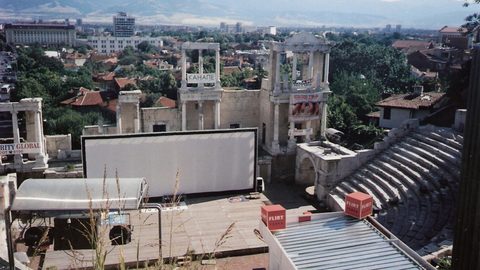
Plovdiv claims a continuous settlement dating to approximately 6000 BCE, which makes it older than Rome and Athens. You will not find that past in a museum hall alone. It is layered under your feet. The Roman theatre, built in the 1st century CE and seating 5000 to 7000 spectators, still hosts performances in summer. The 2nd century Roman stadium runs beneath the main pedestrian street; you see its excavated end through a glass panel as you shop for shoes. Ottoman mosques sit metres from Bulgarian Revival houses. The Thracian plain around the city covers roughly 6000 km², flat and fertile, but Plovdiv itself climbs three of its seven hills. That climb is the point. You walk up. You find a different century on each level.
What To Do and How Much Time To Give It
Budget two full days for Plovdiv. Day one: the Roman theatre, the Old Town's cobbled lanes, and the Ethnographic Museum. Day two: the Kapana creative district for lunch, a walk up to the Alyosha Soviet monument for the view, and the Regional Archaeological Museum for the Thracian gold. Do not skip the museum. Book tickets online where possible. The 2024 entry fee for national museums ranged 5 to 15 BGN, so the total hit for a full day of sites is roughly 30 BGN per person. That is about 15 EUR at the fixed exchange rate of 1 EUR to 1.95583 BGN. Coffee outside the resort strips cost 2.00 to 4.00 BGN in 2024. A domestic beer cost 2.50 to 5.00 BGN. A three course meal for two at a mid range restaurant outside resorts ran 40 to 70 BGN. Plovdiv is cheap. Eat well.
Getting There From Sofia
Trains depart Sofia for Plovdiv from the central station. The rail distance is 156 km. The fastest train runs about 2 hours 30 minutes at a top speed of 130 km/h. The bus takes about 2 hours. The 2024 one way bus fare ranged 14 to 20 BGN depending on carrier. Buy your ticket at the station or online. Do not buy from a tout. Buses are more frequent than trains and equally reliable. Arrive in Plovdiv by midday to give yourself a full afternoon on the hills.
The Rhodope Mountains: Villages That Hung on
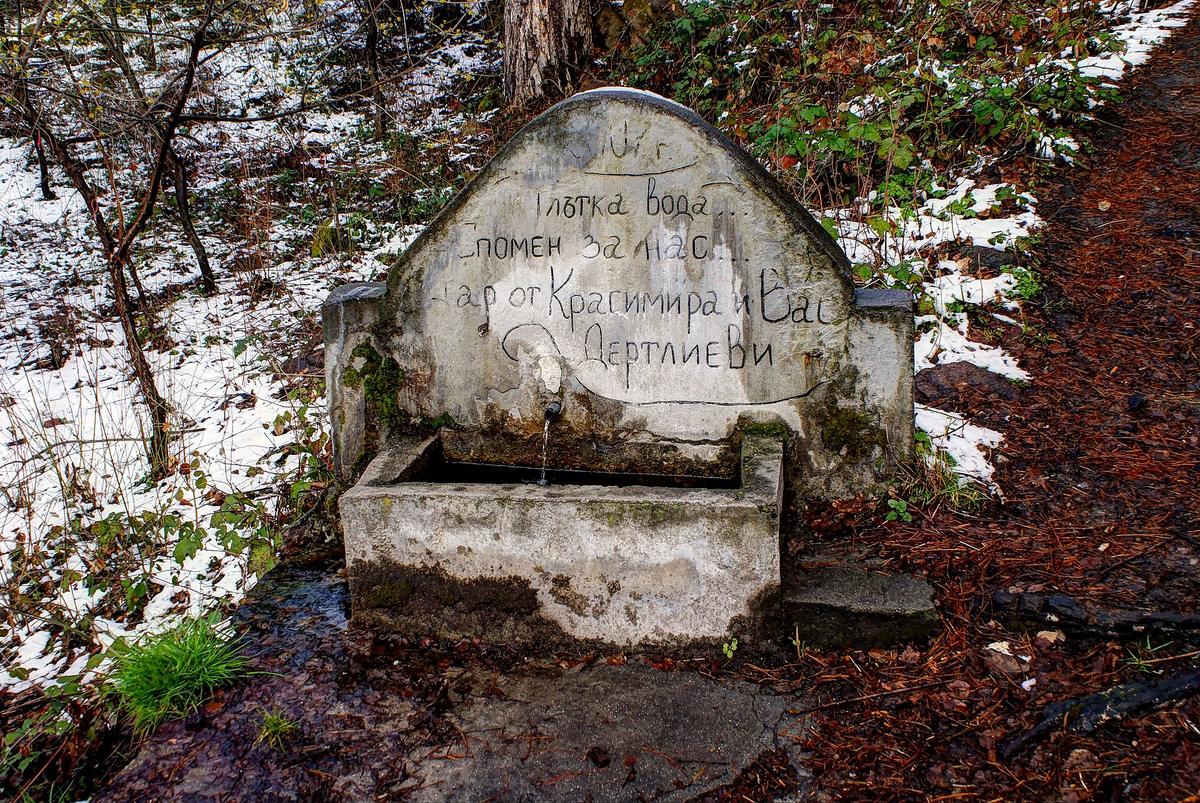
From Plovdiv you drive south into the Rhodopes. The mountains are not dramatic in the Alpine sense. Their highest peak, Golyam Perelik, reaches 2191 metres. What they offer instead is isolation and texture. Traditional villages cling to pine clad slopes at elevations that matter. Shiroka Laka sits at 1050 metres. Its stone houses and cobbled lanes were designated a protected ensemble decades ago. Kovachevitsa received architectural reserve status in 1977. These are not open air museums. People still live there. They dry tobacco on their porches and herd sheep on the slopes above town.
Which Villages To Visit And For How Long
Choose one village as a base. Shiroka Laka works best because it has a few guesthouses and a small restaurant. Kovachevitsa is smaller and quieter. Stay two nights. Use the middle day for a walk in the surrounding forest or a drive to the Trigrad Gorge. Do not try to see five villages in one day. The roads are narrow and winding. A 30 km drive can take an hour. The reward for slowness is that you will be the only foreigner at breakfast.
If you do not drive, hire a private driver from Plovdiv for two days. Expect to pay a few hundred BGN for the round trip and waiting time, a price that still works out cheaper than a car rental when you add insurance and fuel. The driver will also know which guesthouse serves the best homemade rakia.
.jpg)
The Southern Black Sea Coast: Quieter Than the North
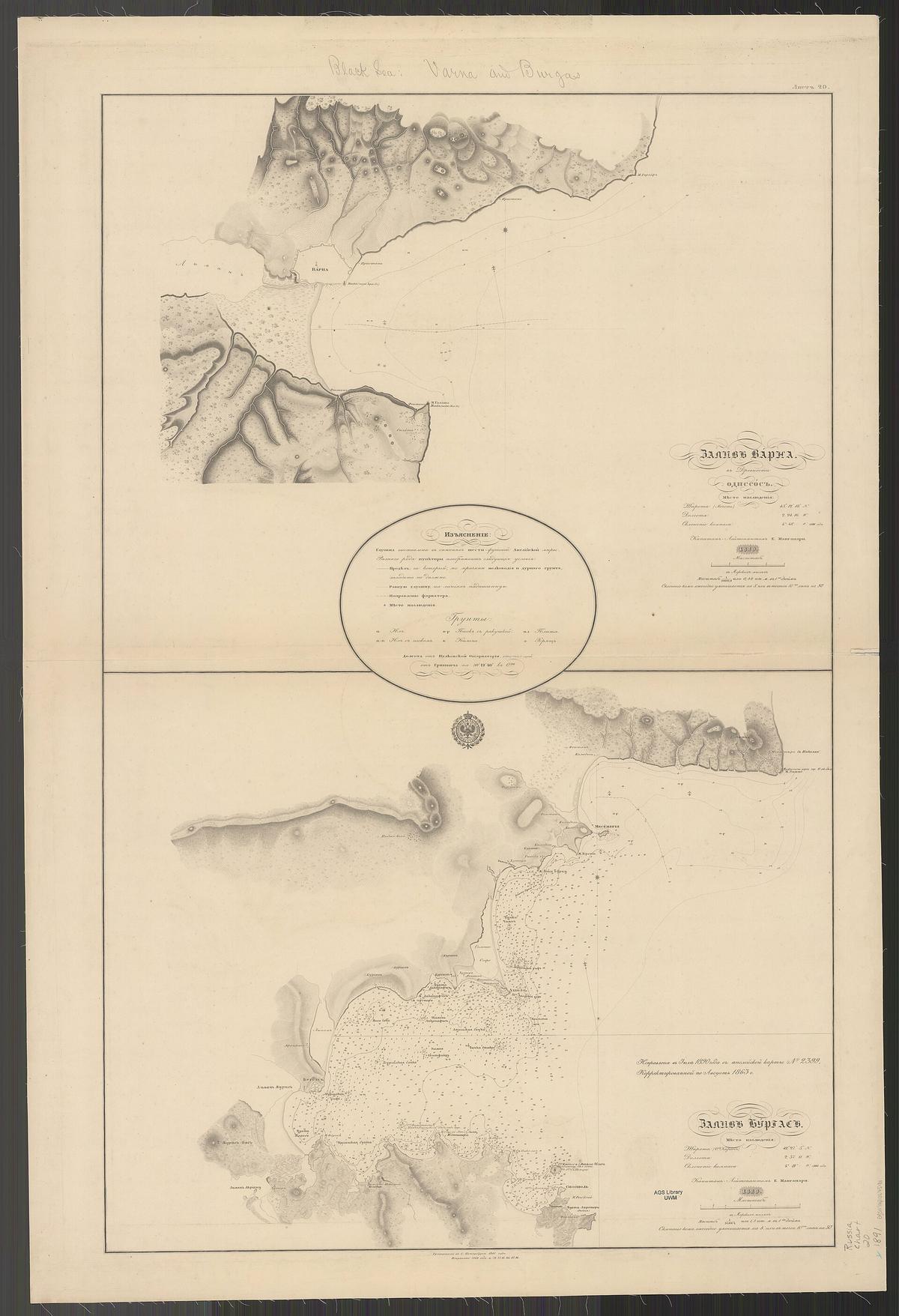
The Bulgarian Black Sea coast runs 378 km from the Romanian border south to Turkey. The northern half is dominated by Sunny Beach, which started construction in 1958 and now claims an annual bed capacity of approximately 200,000 (2024 data from the Bulgarian Ministry of Tourism). That is a resort city. The southern half is different. Sozopol, Nesebar, and the smaller coves between Burgas and the Turkish border operate at a lower volume. Nesebar sits on a narrow peninsula and carries UNESCO protection for its Byzantine churches. Sozopol mixes fishing boats with a small sandy beach. Do not go for nightlife. Go for quiet swimming, seafood, and the feeling that you have found the coast before everyone else arrived.
How To Finish The Trip
From the Rhodopes you drive or take a bus east. The ride from Shiroka Laka to Burgas takes about four hours. The bus from Sofia to Burgas costs 30 to 40 BGN (2024 range) and runs about five hours. From Burgas you take a local bus or taxi south to your chosen town. Budget three nights on the coast. That gives you two full swimming days and one day for a boat trip or a walk through the old town. Fly out of Burgas if you can. The airport has flights to most European capitals in summer. If you must return to Sofia, the train covers the 454 km in about 5 hours 30 minutes. That is not fast, but it is direct and the price is low.
If You Want To Add Veliko Tarnovo
Some travellers add a northern loop to the itinerary. Veliko Tarnovo, the medieval capital of the Second Bulgarian Empire, sits northeast of Sofia. The bus from Sofia to Veliko Tarnovo takes about three hours. The Tsarevets fortress covers approximately 5000 m² and during the empire's peak held 20,000 to 40,000 people inside its walls. It is worth a day. But adding it stretches the itinerary to nine or ten days. If you have six or seven, skip it. Save Veliko Tarnovo for a separate trip that also includes the Rila Monastery, founded in the 10th century (927 to 941 CE) by St. Ivan of Rilski, inscribed as a UNESCO site in 1983, and sitting at 1147 metres elevation. That is a different Bulgaria trip entirely.
Regions & cities in Bulgaria
Common Questions
How many days do I need for Plovdiv, the Rhodopes, and the coast?
Seven days minimum. Two in Plovdiv, two in the Rhodopes, three on the coast. With eight or nine days you can add a night in Nesebar or a morning in the Trigrad Gorge.
Should I rent a car or use public transport?
Public transport works for the Sofia to Plovdiv and Plovdiv to coast legs. The Rhodopes require a car or a hired driver. The buses to the mountain villages are infrequent and the roads are difficult without your own schedule.
Is the southern coast cheaper than Sunny Beach?
Yes, but not by much. Accommodation in Sozopol or Nesebar costs roughly the same as Sunny Beach in August. The difference is character, not price. You pay for the quiet and the old town, not for a discount.
What is the best time of year for this route?
May, June, and September. July and August are hot on the coast and crowded in Plovdiv. October works for the mountains but the water is too cold for swimming. Avoid August 10 to 15 unless you want the Sziget Festival crowds, though that applies to Budapest, not Bulgaria. For Bulgaria itself, August is the peak month for Bulgarian families on holiday at the coast.
Can I combine this trip with the Rila Monastery?
Not easily on a seven day schedule. Rila Monastery is 1147 metres up in the Rila Mountains, two hours south of Sofia. Adding it means losing a day somewhere else. Do it as a separate trip or on the way from Sofia to Plovdiv if you arrive early and do not mind a long first day.
Read next
-
 Plovdiv
 wears six thousand years of habitation lightly, with a Roman theatre still staging operas and a creative quarter pulsing in the old tobacco warehouses.
Plovdiv
Plovdiv wears six thousand years of habitation lightly, with a Roman theatre still staging operas and a creative quarter pulsing in the old tobacco warehouses.
-
 A Week in Marseille Beyond the Vieux-Port — Neighborhoods Worth Knowing
Most visitors never leave the harbor. This guide covers four Marseille neighborhoods worth a week of your time, with real prices from spring 2024.
A Week in Marseille Beyond the Vieux-Port — Neighborhoods Worth Knowing
Most visitors never leave the harbor. This guide covers four Marseille neighborhoods worth a week of your time, with real prices from spring 2024.
-
 Albania by Furgon and Coastal Ferry for Independent Travelers
A practical overland guide to Albania by local furgon and Adriatic ferry — real logistics on stations, small-town accommodation, and staying connected.
Albania by Furgon and Coastal Ferry for Independent Travelers
A practical overland guide to Albania by local furgon and Adriatic ferry — real logistics on stations, small-town accommodation, and staying connected.