The Netherlands Beyond Amsterdam: A Randstad Circuit Through Leiden, Delft, and Utrecht
The Netherlands beyond Amsterdam means Leiden's university canals, Delft's Vermeer streets, and Utrecht's wharf cellars, all connected by frequent Randstad trains.
- Flag
-
- ISO code
- NL
- Population
- 17,231,017
- Currency
- EUR
- Dial code
- +31
Skip Amsterdam. Start in Leiden, Delft, or Utrecht Instead
Amsterdam's average hotel room cost €175 a night in 2025. In the Randstad, the ring of cities that forms the Netherlands' economic and cultural core, you can stay in Leiden for €135, Delft for €130, or Utrecht for €130. That saving is not a trade down. It is a trade sideways into cities where the Golden Age canal ring is still intact, the crowds are thinner, and each city has a sharper identity than the overstretched capital. This itinerary follows the Dutch rail network, operated by NS, and connects Leiden, Delft, and Utrecht in a loop that gives you everything Amsterdam offers except the queues.
The Randstad Circuit: Three Cities, One Efficient Route
Base yourself in any of the three cities and you can still reach the other two by train in under 25 minutes. The loop works as a three-day circuit or a six-day slow roll with day trips into the bulb fields and port districts.
Leiden: The University City That Raised Rembrandt
Leiden is the youngest-feeling city in the Randstad. Its 1575 university, the oldest in the Netherlands, pulls in students who keep the canal-side cafes and courtyards active past midnight. The city also owns a stronger Rembrandt claim than Amsterdam: the painter was born here. The Young Rembrandt Studio, in the house where he trained as a teenager, is a far more intimate stop than the crowds at the Rijksmuseum. Walk the Pieterskerk quarter for the oldest botanical garden in Western Europe, then take a grachtengordel stroll along the Galgewater. The preserved 17th-century facades face real houseboats, not souvenir shops.
Delft: Vermeer, Blue Pottery, and the VOC in One Walkable Core
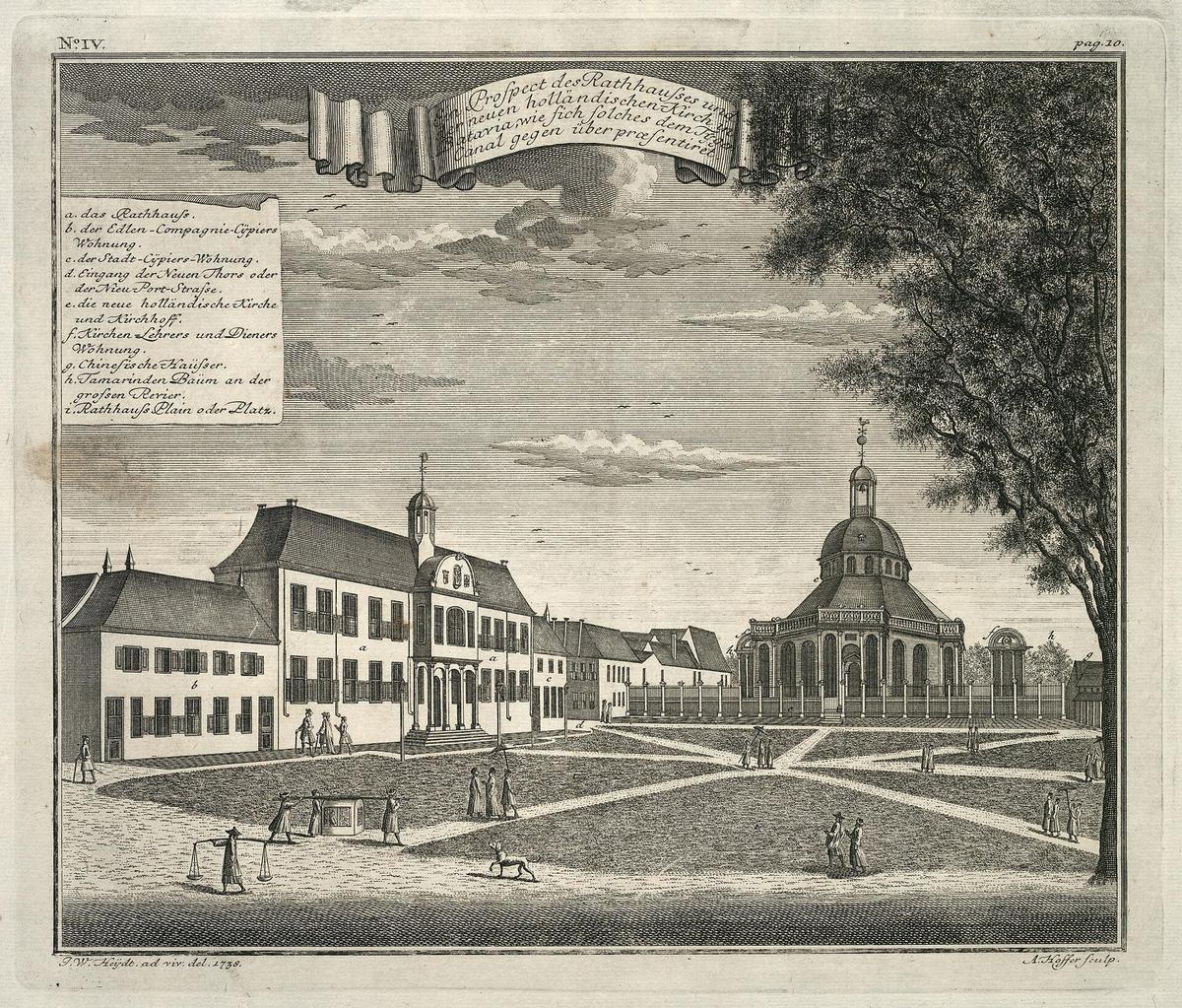
Delft compresses its big draws into a tight radius. The Vermeer Centrum sits one block from the Nieuwe Kerk. The Royal Delft factory, where the tin-glazed earthenware has been produced since 1653, is a short walk west. The Oude Delft canal predates the more famous Amsterdam grachten by a century and has no pedal-boat traffic. Delft was the home base of the Dutch East India Company. The Prinsenhof museum tells that story inside a former convent without the block-long ticket lines of the Amsterdam Rijksmuseum.
Utrecht: Wharf Cellars and a Vertical Canal Experience
Utrecht's canals are the one feature Amsterdam cannot match. The Oudegracht and Nieuwegracht were dug with double-level quays: the street level for walking and the wharf level, two storeys below, where medieval warehouses have been converted into restaurants, bars, and nightclubs. Their terraces hang directly over the water. This vertical canal system means you eat dinner at canal level with your table a stride from the water, not a storey above it. The Dom Tower, the tallest church tower in the Netherlands, requires a climb for a view that shows the entire Randstad on a clear day. Book the Dom Tour online at least 48 hours ahead; same-day slots sell out by 10:00.

When to Go, What it Costs, and What You Avoid
Peak Season Is the Bulb Bloom
The best window to see all three cities at their strongest is late April through early May, when the Bollenstreek bulb region between Haarlem and Leiden hits peak bloom. The Bloemencorso Bollenstreek flower parade runs from Noordwijk to Haarlem on 12 April 2026. Keukenhof, the world's largest flower garden at Stationsweg 166A in Lisse, opens from 19 March to 10 May 2026, daily from 08:00 to 19:30. Book your Keukenhof ticket online for €20.00 instead of €23.00 at the gate. Missed the bloom? June and September offer the same city experience with fewer visitors and hotel rates that drop close to the off-peak baseline.
What You Save By Skipping Amsterdam
Amsterdam hotel averages ran €175 a night in 2025. The Randstad alternatives cost 20 to 25 percent less: Rotterdam at €125, Utrecht at €130, Delft at €130, Leiden at €135, Haarlem at €140. Those numbers come from Statistics Netherlands and Horwath HTL for 2025. The difference compounds. A four-night stay in Leiden versus Amsterdam saves enough for two OV-fiets rentals at €4.55 per 24 hours from any of the 300 NS rental stations across the country, plus a good dinner.
Getting There and Getting Around
From Amsterdam Centraal, you reach Leiden in 15 to 36 minutes depending on the service, Delft in 41 to 60 minutes, and Utrecht in 26 to 27 minutes. The Dutch rail system uses a check-in and check-out rule: tap a bank card, credit card, or OV-chipkaart on a card reader at station gates or on platform posts at the start of every journey, then tap out at the end. For NS trains, the minimum check-in balance for a bank card is €20 (2026, NS). Train times between the circuit cities are even shorter. Leiden to Delft takes 14 to 23 minutes. Delft to Rotterdam takes 12 to 14 minutes. Haarlem to Leiden takes 19 to 30 minutes. Utrecht to Rotterdam takes 37 minutes. The entire Randstad is roughly 200 kilometres east to west and 300 kilometres north to south, so nothing on this itinerary requires more than 40 minutes in transit.
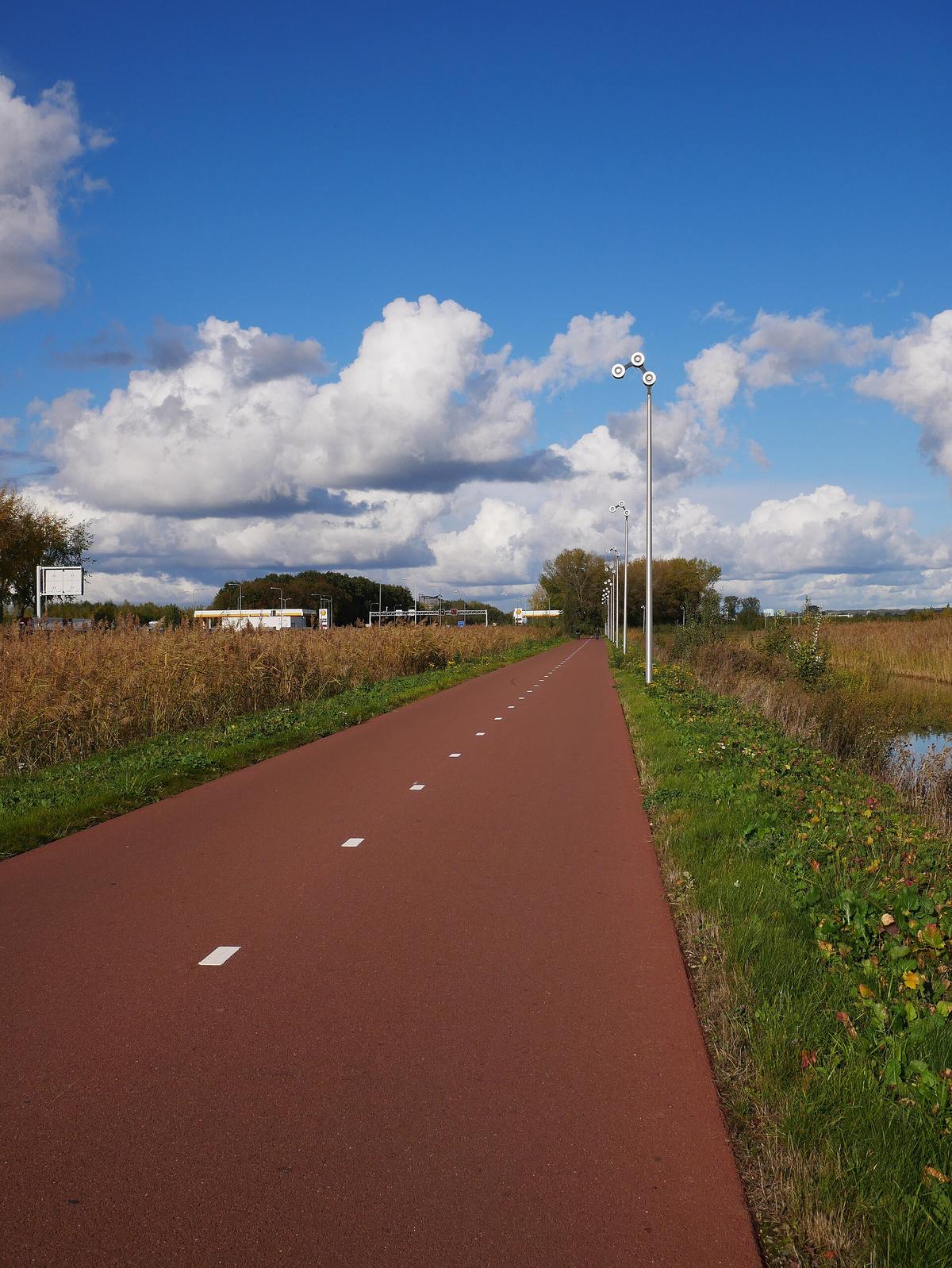
Cycling the Loop: the LF Route Option
The Netherlands' national long-distance cycle network, the LF routes, makes the Randstad circuit possible without a car or train pass. Three routes cover the loop:
- The LF Kustroute (part of EuroVelo 12) connects Haarlem to Leiden, then Leiden to Delft, then Delft to Rotterdam.
- The LF Waterlinieroute runs from Amsterdam to Utrecht, following the 17th-century defensive line.
- The LF Maasroute connects Utrecht to Rotterdam via the river corridor.
Intercity distances range from 20 to 60 kilometres. A Leiden-to-Delft ride is roughly 25 kilometres, manageable in two hours at the Dutch flatlander pace. Rent an OV-fiets from any NS station for €4.55 per 24 hours (2026, NS); the 300-station network means you pick up a bike in one city and drop it at another. The electric-assist option costs more but is worth it if you pack a full day load. Carry a phone running the Fietsknoop app for the node-based wayfinding system, which uses numbered junction points rather than maps.

| City | Best For | Canal Style | Hotel Avg 2025 | Train To Amsterdam |
|---|---|---|---|---|
| Leiden | Young energy, Rembrandt history, botanical gardens | Classic 17th-century gracht with houseboats | €135 | 15–36 min |
| Delft | Vermeer, blue pottery, VOC heritage, compact core | Oude Delft pre-dates Amsterdam canals, quiet | €130 | 41–60 min |
| Utrecht | Wharf-level dining, Dom Tower, vertical canals | Double-level quays with cellars at water line | €130 | 26–27 min |
One Honest Caveat
None of these cities has a nightlife scene that matches Amsterdam after midnight. Leiden's student pubs close by 01:00 on weeknights. Utrecht's wharf bars wind down by midnight except on weekends. If you want a 04:00 techno club or the spontaneous street energy of the Leidseplein, stay in Amsterdam and take day trips out. The Randstad circuit trades that late-night option for a quieter, more coherent version of the Dutch Golden Age experience. For most travellers visiting the Netherlands for the first or second time, that trade is worth making.
Frequently Asked Questions About the Randstad Circuit
Do I need to speak Dutch to get by in Leiden, Delft, and Utrecht?
No. Almost everyone in the Randstad under 50 speaks fluent English. Menus, train announcements, and museum labels are bilingual. The one place you may need Dutch: older bakeries and the counter at a local stroopwafel stall. Point and smile works.
Which city works best as a single base for the entire circuit?
Leiden. It sits in the middle of the triangle: 14 minutes to Delft, 26 minutes to Utrecht, 15 to Amsterdam Centraal, 40 minutes to Rotterdam. It also has the most affordable hotel stock at €135 average and the most student-era rental flats on Airbnb.
Can I visit Keukenhof without a car?
Yes. Take the NS train to Leiden Centraal, then the Keukenhof Express bus directly to the garden entrance. The bus runs frequently during the opening period. Bicycle parking is free at the garden gates.
Is the Randstad circuit suitable for families with young children?
Yes, with one caveat. The canal wharves in Utrecht have no railings at the upper quay edge. Keep toddlers on a leash or in a carrier along the Oudegracht. Leiden and Delft are flatter, slower, and easier for pushchairs. The OV-fiets rental includes child seats and cargo bikes.
How does the train check-in rule work for a day trip across multiple cities?
Tap your bank card at the start station. Each time you change trains and stay within NS stations, you do not need to tap again unless you exit the gates. Tap out at your final destination. The system calculates the fare based on distance. If you use a non-NS operator like Arriva on a regional line, you must tap out and in again at the transfer point.
Which city has the best food scene among the three?
Utrecht, by a margin. The wharf-level cellars concentrate a higher density of independent restaurants than any single Dutch city outside Amsterdam. Wilhelm Tel and Kade 8 both serve modern Dutch tasting menus at roughly €45 for four courses. Leiden leans toward student budget eats and Indonesian rijsttafel. Delft has good brown cafes but fewer high-end options.
When should I avoid the Randstad entirely?
The week of Koningsdag (27 April) if you dislike crowds. The entire country goes into street-market mode, train capacity fills by mid-morning, and the Keukenhof gardens become impassable between 11:00 and 15:00. Mid-December through early January is a secondary crush for Christmas markets, though Utrecht's light festival along the canals is genuinely impressive.
Read next
-
 A Week in Marseille Beyond the Vieux-Port — Neighborhoods Worth Knowing
Most visitors never leave the harbor. This guide covers four Marseille neighborhoods worth a week of your time, with real prices from spring 2024.
A Week in Marseille Beyond the Vieux-Port — Neighborhoods Worth Knowing
Most visitors never leave the harbor. This guide covers four Marseille neighborhoods worth a week of your time, with real prices from spring 2024.
-
 Albania by Furgon and Coastal Ferry for Independent Travelers
A practical overland guide to Albania by local furgon and Adriatic ferry — real logistics on stations, small-town accommodation, and staying connected.
Albania by Furgon and Coastal Ferry for Independent Travelers
A practical overland guide to Albania by local furgon and Adriatic ferry — real logistics on stations, small-town accommodation, and staying connected.