Krakow Beyond the Rynek Główny Square
Krakow's Old Town and Kazimierz district deserve more than a rushed day trip—here is how to experience the city's medieval core and Jewish quarter properly.
- Flag
-

- ISO code
- PL
- Population
- 816,614
- Currency
- PLN
- Timezone
- Europe/Warsaw
Krakow Beyond the Rynek Główny Square
You book a city break and the itinerary fills itself: Rynek Główny one morning, Auschwitz the next, Wieliczka in the afternoon, a rushed loop through Kazimierz before dinner. That plan treats Krakow as a set of attractions to tick off. It is not a city to inhabit. The problem is not the sights. The problem is the pace. Slow down. Spread the layers across two days. Leave feeling like you lived in Krakow rather than visited it.
Give Wawel Hill a Morning, Not an Hour
Wawel Castle and Cathedral sit on a hill that has held power since the 11th century. Most visitors race through in 90 minutes and miss the point. Arrive when the ticket office opens at 09:00. Start with the cathedral. Climb the Sigismund Bell tower before the queues form. Book a timed entry slot for the state rooms online the day before. Budget three hours minimum.
The Sequence That Demands a Pause
The reason is not just the size of the complex. It is the sequence: the Romanesque crypt, the Renaissance courtyard, the treasury. Each demands a pause. Rush and the layers collapse into a blur of stone and gold leaf. Finish on the Vistula riverbank below the castle. The view back up at the defensive wall is the one postcards cannot replicate.

Kazimierz: from Morning Coffee to Late Night
Kazimierz was founded as a separate town in 1335. Before the Second World War it held roughly 64,000 Jewish residents. After the war the number dropped to around 6,000. The district spent decades in neglect before revitalisation took hold in the 1990s and 2000s. That history is not a decoration. It is the reason the district works differently at different hours.
The Morning Walk Begins on Szeroka Street
Start in the Old Synagogue area around 10:00. The streets are quiet. Tour groups have not arrived yet. Visit the Remuh Synagogue and its cemetery. The Galicia Jewish Museum on Dajwór Street offers a non-sensational entry into the region's Jewish history. Do not treat this as a half-hour stop. Allow 90 minutes. The museum uses photographs and oral testimony to show a living culture, not just its destruction.
Lunch in a Courtyard, Not on the Main Street
By 13:00 the main lanes fill with day trippers. Escape into the courtyards. The small garden behind the Wialet coffee roastery serves lunch without the queue. Order a bowl of żurek, sour rye soup with egg and sausage, and eat it at a shaded table. The street noise drops to a hum. This is when Kazimierz feels like a neighbourhood, not a district.
The Transition After Dark
By evening the crowd composition changes. The day trippers have returned to buses headed for Auschwitz or Wieliczka. Locals and visitors who stayed take over. Bars open in former workshops and tenement basements. The ratio of tourist to resident inverts after 21:00. Alchemia on Estery Street is the best known but not the best. Walk a block further to Mleczarnia on Ulica Krakowska. The drinks cost roughly the same as anywhere else in the district. The atmosphere rewards the extra two minutes of walking. Stay until midnight. The walk back toward the Old Town through Plac Nowy catches the district at its lived-in best.
The Main Square as a Starting Point, Not a Destination
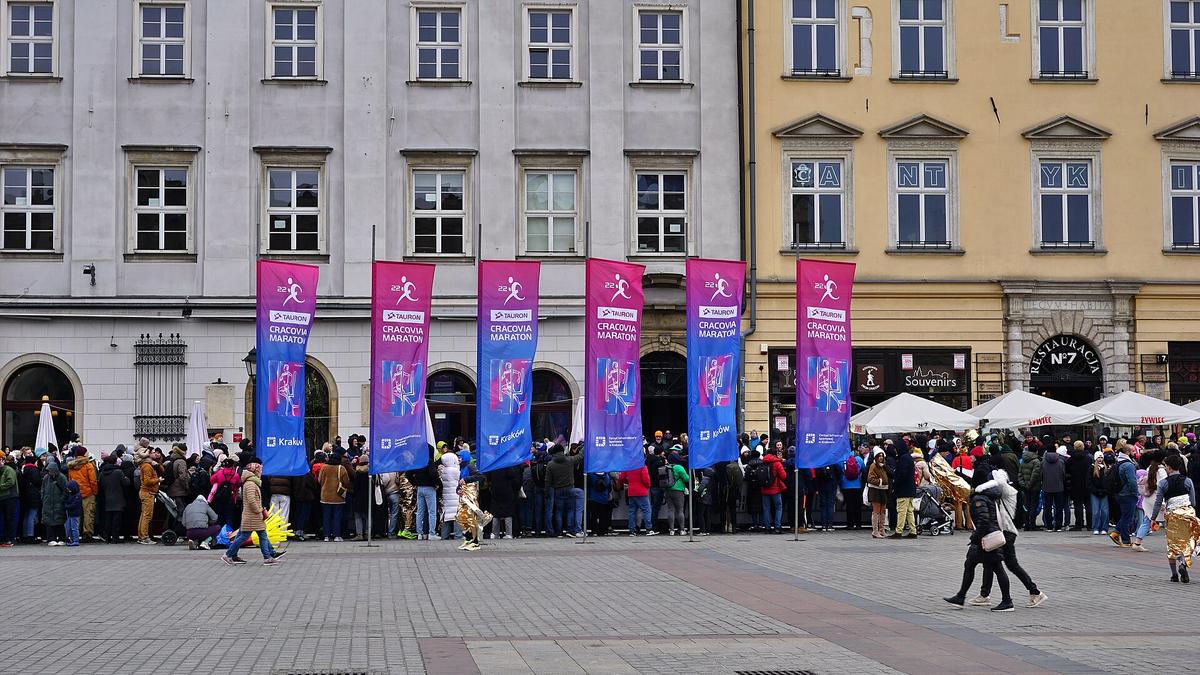
Rynek Główny measures 200 metres by 200 metres. It is the largest medieval town square in Europe. Most people see it in daylight and think they have finished. Come back at 07:00 before the first horse-drawn carriages arrive. The Cloth Hall, first built in the 13th century and rebuilt in Renaissance style in 1555, sits empty at that hour. The square reads as architecture rather than a marketplace. Spend 30 minutes walking the perimeter. Then leave.
The Side Streets That Deliver the Real Old Town
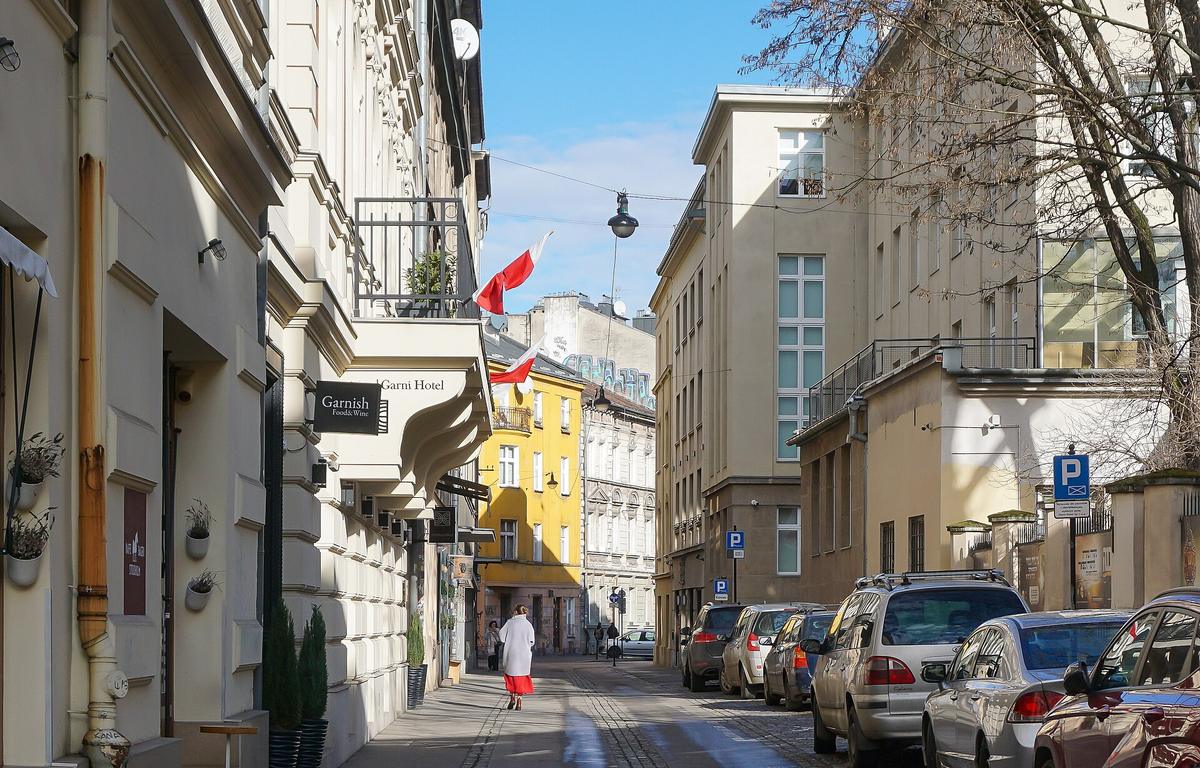
The real texture lies off Grodzka and Floriańska, where restaurants with courtyard gardens serve lunch at half the square's price. Use Rynek Główny as your compass, not your camp.
Why Auschwitz and Wieliczka Are Not Part of This Itinerary
Auschwitz-Birkenau sits 70 kilometres from Krakow, a drive of 1 hour 15 minutes to 1 hour 45 minutes. Entry is free but requires a timed ticket booked on visit.auschwitz.org up to 90 days in advance. Guided tours run 3.5 hours. Self-guided visits open from 07:30 until closing times that vary by month, with December closing at 14:00 and June through August closing at 19:00. The museum recommends a minimum age of 14. Wieliczka Salt Mine, 14 kilometres away and 327 metres deep, covers a tourist route of 3.5 kilometres with roughly 800 steps and takes 2 to 3 hours. Both deserve a full day, not a half day tacked onto a city visit. If you have only two days in Krakow, skip both. If you have three, dedicate one full day to Auschwitz and return exhausted. Do not combine either with Old Town sightseeing on the same day. The emotional and physical weight of each is too high.

Common Questions
Should I stay in the Old Town or Kazimierz?
Kazimierz. The Old Town is louder and more expensive. Kazimierz gives you walkable access to both districts, better nightlife, and lower accommodation prices. A mid-range double in Kazimierz runs PLN 300 to 700 per night in 2026 rates. The same room in Stare Miasto costs 20 to 30 percent more.
How do I visit Auschwitz without a tour?
Book a timed entry ticket on visit.auschwitz.org up to 90 days ahead. Take the 06:50 or 07:40 bus from Galeria Krakowska for about 30 PLN round trip. The museum entrance is free. Self-guided visits are allowed. Arrive by 08:30 to avoid the worst crowds.
Is the Wieliczka Salt Mine worth the detour?
Yes, if you have a third day. No, if you have two. The tourist route involves 800 steps and 2 to 3 hours underground. The 1978 UNESCO inscription speaks to its significance. But it pulls you out of the city for half a day. Skip it for an extra evening in Kazimierz if time is tight.
What is the one mistake to avoid in Krakow?
Trying to see Auschwitz and the Wieliczka Salt Mine on the same day. They lie in opposite directions. Auschwitz requires 3.5 hours minimum plus travel. The mine requires another 2 to 3 hours. Each deserves its own day. Doing both in one is physically draining and emotionally numb.
Read next
-
 Where to Stay in Kraków District by District From the Old Town to Kazimierz
Kraków's districts range from the medieval Stare Miasto to the Jewish Quarter nightlife of Kazimierz and the quiet riverside of Podgórze. Where to stay based on what you want.
Where to Stay in Kraków District by District From the Old Town to Kazimierz
Kraków's districts range from the medieval Stare Miasto to the Jewish Quarter nightlife of Kazimierz and the quiet riverside of Podgórze. Where to stay based on what you want.
-
 Kraków Things to Do Beyond the Rynek Główny and Wawel Castle
Kraków rewards visitors who push past the Main Square and Wawel. Kazimierz, Nowa Huta, and the Wieliczka Salt Mine fill a multi-day itinerary with depth.
Kraków Things to Do Beyond the Rynek Główny and Wawel Castle
Kraków rewards visitors who push past the Main Square and Wawel. Kazimierz, Nowa Huta, and the Wieliczka Salt Mine fill a multi-day itinerary with depth.
-
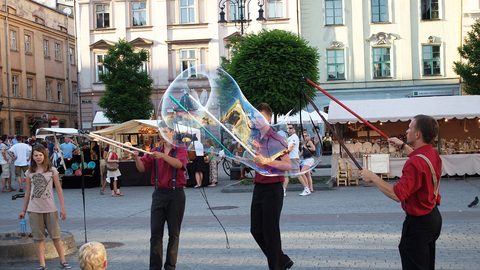 Best Time to Visit Kraków by Season for Markets, Crowds and Festival Dates
Kraków shifts character dramatically with the seasons, from packed summer squares to candlelit November cemeteries and frosty Christmas market magic.
Best Time to Visit Kraków by Season for Markets, Crowds and Festival Dates
Kraków shifts character dramatically with the seasons, from packed summer squares to candlelit November cemeteries and frosty Christmas market magic.
-
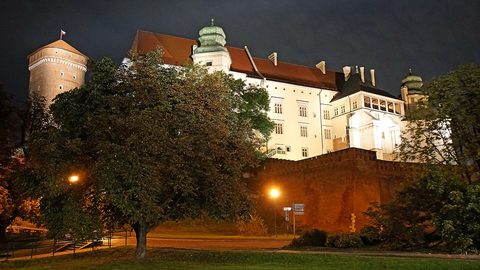 Getting Around Kraków Trams Buses and the Train Station to Airport Link
Kraków's tram network is the backbone of getting around, with an airport train link and connections to Wieliczka. How the MPK system works and where visitors trip up.
Getting Around Kraków Trams Buses and the Train Station to Airport Link
Kraków's tram network is the backbone of getting around, with an airport train link and connections to Wieliczka. How the MPK system works and where visitors trip up.
-
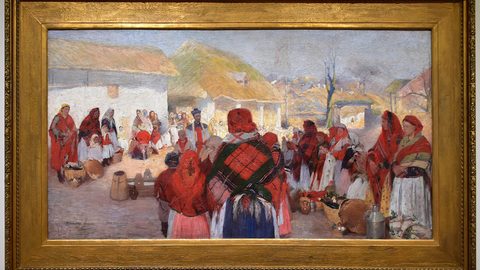 Kraków Food Guide Where to Eat Authentic Polish Dishes in the Old Town and Kazimierz
Dodge the Rynek Główny tourist menus and eat where Kraków locals do, from communist-era milk bars to late-night zapiekanka hatches in Kazimierz.
Kraków Food Guide Where to Eat Authentic Polish Dishes in the Old Town and Kazimierz
Dodge the Rynek Główny tourist menus and eat where Kraków locals do, from communist-era milk bars to late-night zapiekanka hatches in Kazimierz.
-
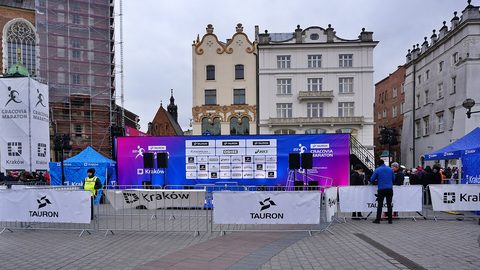 Poland Travel Guide: Kraków, the Baltic North and the Distances Between Them
Poland spans Kraków's medieval core, Wrocław's Silesian bridges, and Gdańsk's Baltic amber lanes, with real distances that reward a slower itinerary.
Poland Travel Guide: Kraków, the Baltic North and the Distances Between Them
Poland spans Kraków's medieval core, Wrocław's Silesian bridges, and Gdańsk's Baltic amber lanes, with real distances that reward a slower itinerary.
-
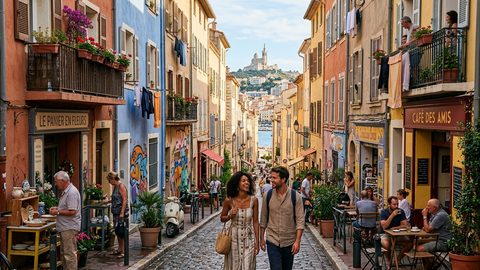 A Week in Marseille Beyond the Vieux-Port — Neighborhoods Worth Knowing
Most visitors never leave the harbor. This guide covers four Marseille neighborhoods worth a week of your time, with real prices from spring 2024.
A Week in Marseille Beyond the Vieux-Port — Neighborhoods Worth Knowing
Most visitors never leave the harbor. This guide covers four Marseille neighborhoods worth a week of your time, with real prices from spring 2024.
-
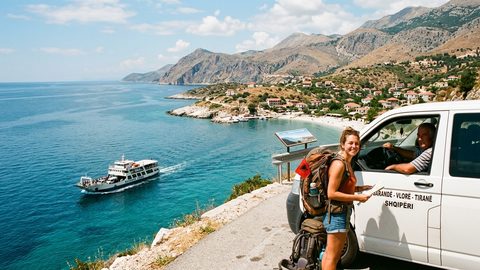 Albania by Furgon and Coastal Ferry for Independent Travelers
A practical overland guide to Albania by local furgon and Adriatic ferry — real logistics on stations, small-town accommodation, and staying connected.
Albania by Furgon and Coastal Ferry for Independent Travelers
A practical overland guide to Albania by local furgon and Adriatic ferry — real logistics on stations, small-town accommodation, and staying connected.