Kraków Through the Seasons: Weather, Festivals and When to Avoid the Crowds
Kraków shifts character dramatically with the seasons, from packed summer squares to candlelit November cemeteries and frosty Christmas market magic.
When Not to Visit and Why the Usual Advice Fails
Summer delivers the best weather, 25 to 35 °C in July and August. It also delivers the worst crowds. The Rynek Główny becomes impassable with tour groups from late morning until after dinner. Queues for St. Mary's Basilica hit 45 minutes. The actual sweet spot is the last week of September. By then the Jewish Culture Festival energy (late June to early July) has faded but the city has not yet greyed into winter. You get lingering warmth, shorter lines, and accommodation prices that have not yet bottomed out into winter rates.
Spring (March to May) and Early Autumn (September to October) Are the Only True Shoulder Seasons
March to May and the window from late September through October are the best seasons by the numbers. Crowds are manageable. Temperatures sit in a comfortable 10 to 20 °C range. Daylight hours are long enough for a full day of sightseeing. The catch: spring can be wet, with sudden rain squalls, and early autumn booking windows fill fast with European tour groups. Book accommodation by mid-August for a trip in the last week of September, or by January for an April trip. If you don't, expect to pay 20 to 30 percent more for last-minute availability.
What Spring Gets Right That Summer Does Not
Walk across the Rynek Główny without dodging selfie sticks. The queues at Wawel Castle rarely exceed 10 minutes on a weekday morning. The temperature rarely drops below 5 °C at night, so outdoor dining at the Cloth Hall arcades is viable without a winter coat. The failure case: rain on a Saturday afternoon means every indoor market hall and museum swells with backup crowds. Have a list of three backup indoor options before you arrive.
Why the Month's End Beats Its Start
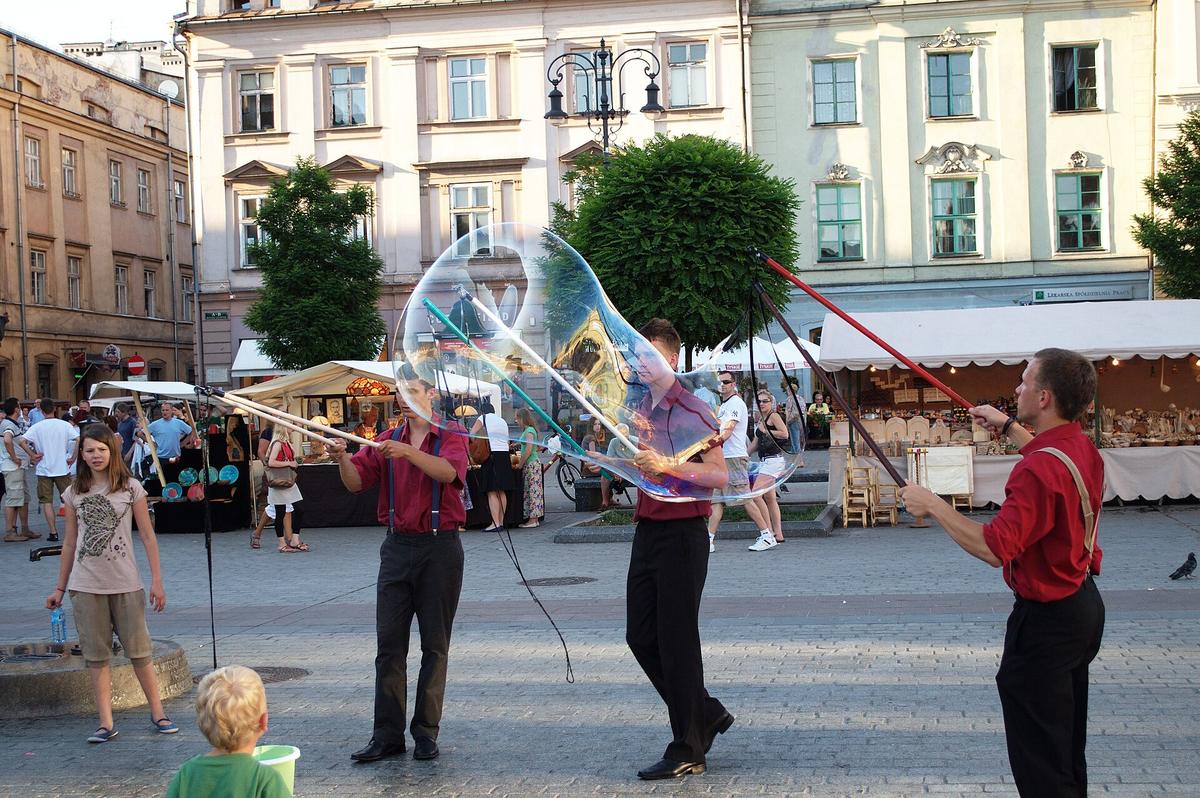
Early in the month still carries August-level occupancy in the Old Town. From the 20th onward, daily foot traffic on Piotrkowska Street and around the Barbican drops measurably. The Jewish Culture Festival ends in early July, so the Kazimierz district relaxes into its normal rhythm by the time you arrive. You still get 14 hours of daylight on the 20th, enough for a dawn walk around Planty Park and a late dinner in Plac Nowy.
.jpg)
Winter (November to February) and the Christmas Market Trap
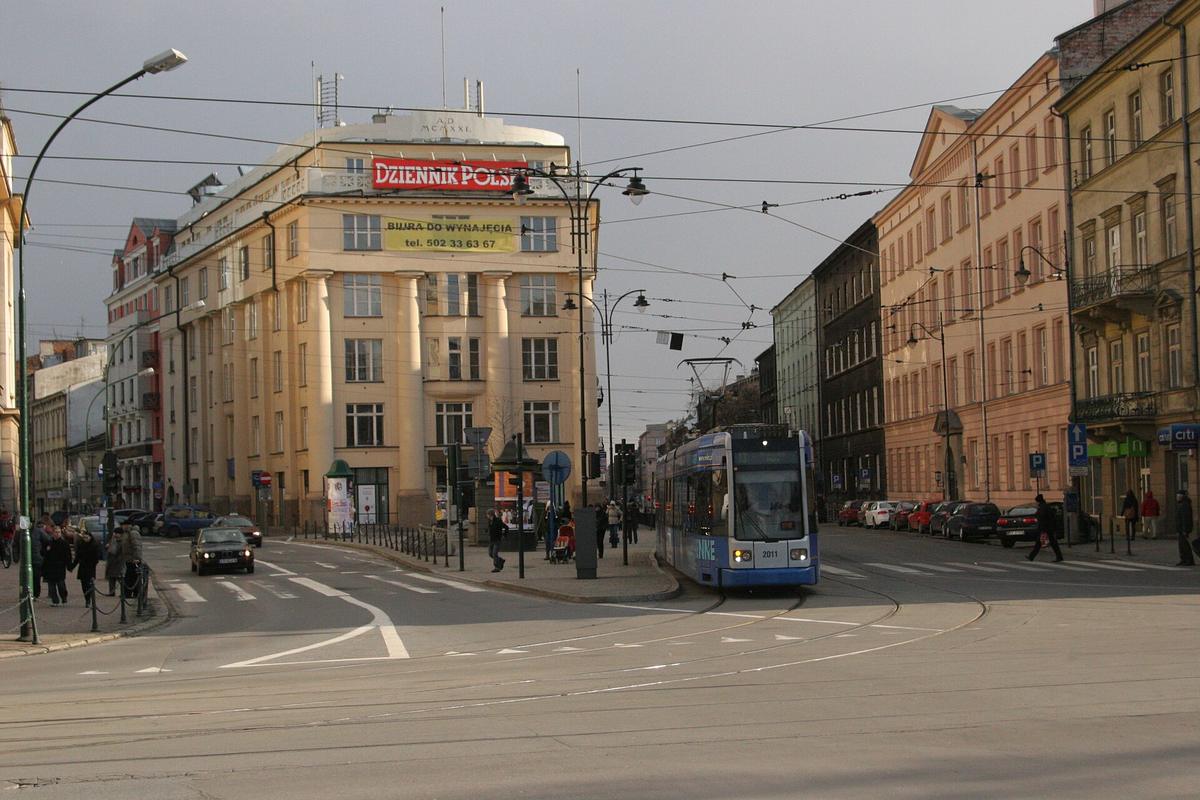
Winter temperatures run from -5 to 5 °C. The sky is overcast and grey. Accommodation prices hit their lowest of the year, which is the draw. But the smog season runs November to February. PM2.5 and PM10 pollution from coal and wood heating, temperature inversion, and vehicle emissions mean you will taste the air on still days. The Christmas markets run from late November to 26 December annually. They pack the Rynek Główny with locals and tourists alike. Book early December, not mid-December. The weekend before Christmas is as crowded as an August Saturday. The failure case: you arrive for a winter market trip in early January, and find the stalls gone, the city grey, and the smog thick enough to irritate your throat within an hour. Bring an N95 mask if you have respiratory sensitivity.
| Season | Temperature Range | Crowd Level | Accommodation Price | Key Draw |
|---|---|---|---|---|
| Spring (Mar-May) | 5–20 °C | Moderate | Mid-range | Low crowds, long daylight |
| Summer (Jun-Aug) | 25–35 °C | Peak | Highest | Warm weather, festivals |
| Early Autumn (Sep-Oct) | 10–20 °C | Low to moderate | Mid-range falling | Best balance of weather and quiet |
| Winter (Nov-Feb) | -5–5 °C | Low (except Christmas market weeks) | Lowest | Christmas markets, cheap stays |
| All Saints' Day (1 Nov) | 2–8 °C | Very low in city centre, very high at cemeteries | Low | City empties into cemeteries |
.jpg)
The All Saints’ Day Anomaly and the Jewish Culture Festival Hangover
All Saints' Day on November 1 is not a tourist event, but it changes how the city operates. The entire population decamps to the cemeteries, notably Rakowicki Cemetery, from late afternoon until after dark. The Rynek Główny is nearly empty by 17:00. Most restaurants close early or operate on reduced hours. If you are in town from the 30th of October to the 2nd of November, you get near-empty streets and the lowest accommodation prices of the year. You also need to plan your meals and transport around half-closed services. The Jewish Culture Festival runs late June to early July annually. The real opportunity is the week after it ends. From about July 10 onward, the crowds thin but the restaurant pop-ups and special exhibitions in Kazimierz remain open. Book that window if you want festival atmosphere without the crush.
Your Action Plan for the Failure Case
Arrive on November 1 without knowing about All Saints' Day? Walk to Kazimierz for dinner. The Jewish Quarter stays busier than the Old Town that evening. Find every table booked during the last week of the Jewish Culture Festival? Eat late, at 21:00 or later, when the second wave of tables opens. Or order lángos from a food stand on Plac Nowy and eat it standing. The single thing that most often goes wrong with Kraków timing is arriving in peak summer without a booking at the main attractions. Book Wawel Castle tickets online at least two weeks ahead from June to August. Do the same for Schindler's Factory. Without a booking, you waste 90 minutes in line.
Common Questions
What is the cheapest month to visit Kraków?
January, after New Year's. Accommodation prices hit their lowest of the year. The trade-off is grey skies, smog (PM2.5 and PM10), and temperatures from -5 to 5 °C. The Christmas markets close on December 26, so January offers no special events.
When are the Christmas markets in Kraków?
Late November to December 26 annually. The main market fills the Rynek Główny. Visit in the first week of December for the best balance of festive atmosphere and tolerable crowd density. The weekend before Christmas is as crowded as an August peak day.
Is Kraków worth visiting in winter if I hate cold weather?
No, unless you specifically want the Christmas market or very cheap accommodation. The sky is overcast for most of November through February, and the smog is noticeable on windless days. Indoor options like the Wieliczka Salt Mine are fine, but outdoor sightseeing is grim.
When is the Jewish Culture Festival and should I plan around it?
Late June to early July annually. If you want to attend, book accommodation by April. If you want to avoid crowds, visit after July 10, when the festival ends but its spillover energy and temporary food stalls linger in Kazimierz for another week.
Read next
-
 Where to Stay in Kraków District by District From the Old Town to Kazimierz
Kraków's districts range from the medieval Stare Miasto to the Jewish Quarter nightlife of Kazimierz and the quiet riverside of Podgórze. Where to stay based on what you want.
Where to Stay in Kraków District by District From the Old Town to Kazimierz
Kraków's districts range from the medieval Stare Miasto to the Jewish Quarter nightlife of Kazimierz and the quiet riverside of Podgórze. Where to stay based on what you want.
-
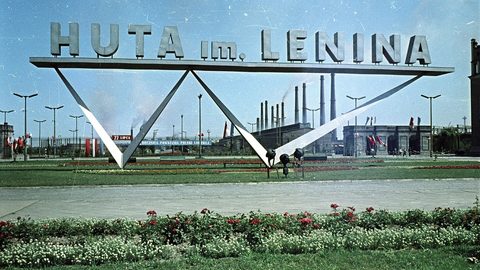 Kraków Things to Do Beyond the Rynek Główny and Wawel Castle
Kraków rewards visitors who push past the Main Square and Wawel. Kazimierz, Nowa Huta, and the Wieliczka Salt Mine fill a multi-day itinerary with depth.
Kraków Things to Do Beyond the Rynek Główny and Wawel Castle
Kraków rewards visitors who push past the Main Square and Wawel. Kazimierz, Nowa Huta, and the Wieliczka Salt Mine fill a multi-day itinerary with depth.
-
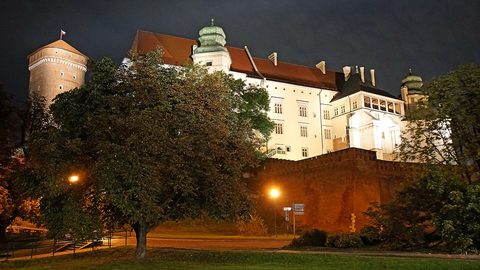 Getting Around Kraków Trams Buses and the Train Station to Airport Link
Kraków's tram network is the backbone of getting around, with an airport train link and connections to Wieliczka. How the MPK system works and where visitors trip up.
Getting Around Kraków Trams Buses and the Train Station to Airport Link
Kraków's tram network is the backbone of getting around, with an airport train link and connections to Wieliczka. How the MPK system works and where visitors trip up.
-
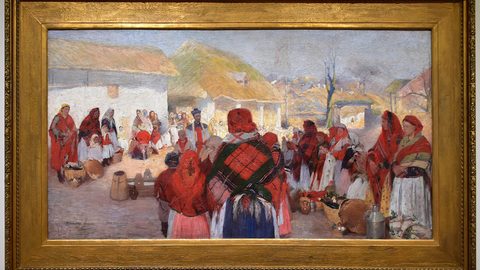 Kraków Food Guide Where to Eat Authentic Polish Dishes in the Old Town and Kazimierz
Dodge the Rynek Główny tourist menus and eat where Kraków locals do, from communist-era milk bars to late-night zapiekanka hatches in Kazimierz.
Kraków Food Guide Where to Eat Authentic Polish Dishes in the Old Town and Kazimierz
Dodge the Rynek Główny tourist menus and eat where Kraków locals do, from communist-era milk bars to late-night zapiekanka hatches in Kazimierz.
-
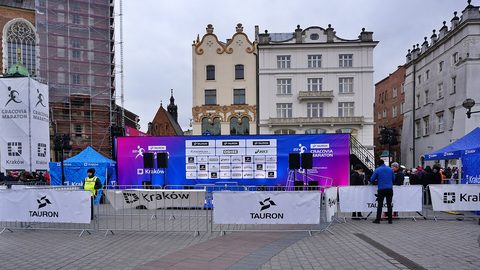 Poland Travel Guide: Kraków, the Baltic North and the Distances Between Them
Poland spans Kraków's medieval core, Wrocław's Silesian bridges, and Gdańsk's Baltic amber lanes, with real distances that reward a slower itinerary.
Poland Travel Guide: Kraków, the Baltic North and the Distances Between Them
Poland spans Kraków's medieval core, Wrocław's Silesian bridges, and Gdańsk's Baltic amber lanes, with real distances that reward a slower itinerary.
-
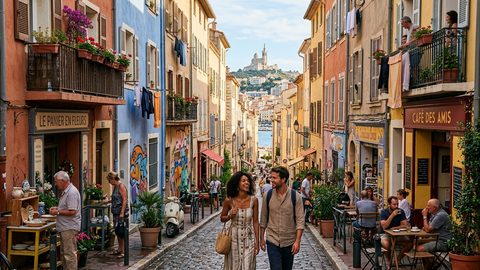 A Week in Marseille Beyond the Vieux-Port — Neighborhoods Worth Knowing
Most visitors never leave the harbor. This guide covers four Marseille neighborhoods worth a week of your time, with real prices from spring 2024.
A Week in Marseille Beyond the Vieux-Port — Neighborhoods Worth Knowing
Most visitors never leave the harbor. This guide covers four Marseille neighborhoods worth a week of your time, with real prices from spring 2024.
-
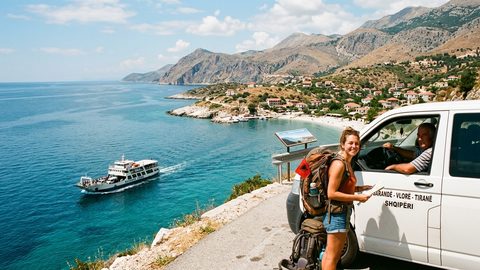 Albania by Furgon and Coastal Ferry for Independent Travelers
A practical overland guide to Albania by local furgon and Adriatic ferry — real logistics on stations, small-town accommodation, and staying connected.
Albania by Furgon and Coastal Ferry for Independent Travelers
A practical overland guide to Albania by local furgon and Adriatic ferry — real logistics on stations, small-town accommodation, and staying connected.