Why Ljubljana Feels Like a Real Capital Despite Its Size
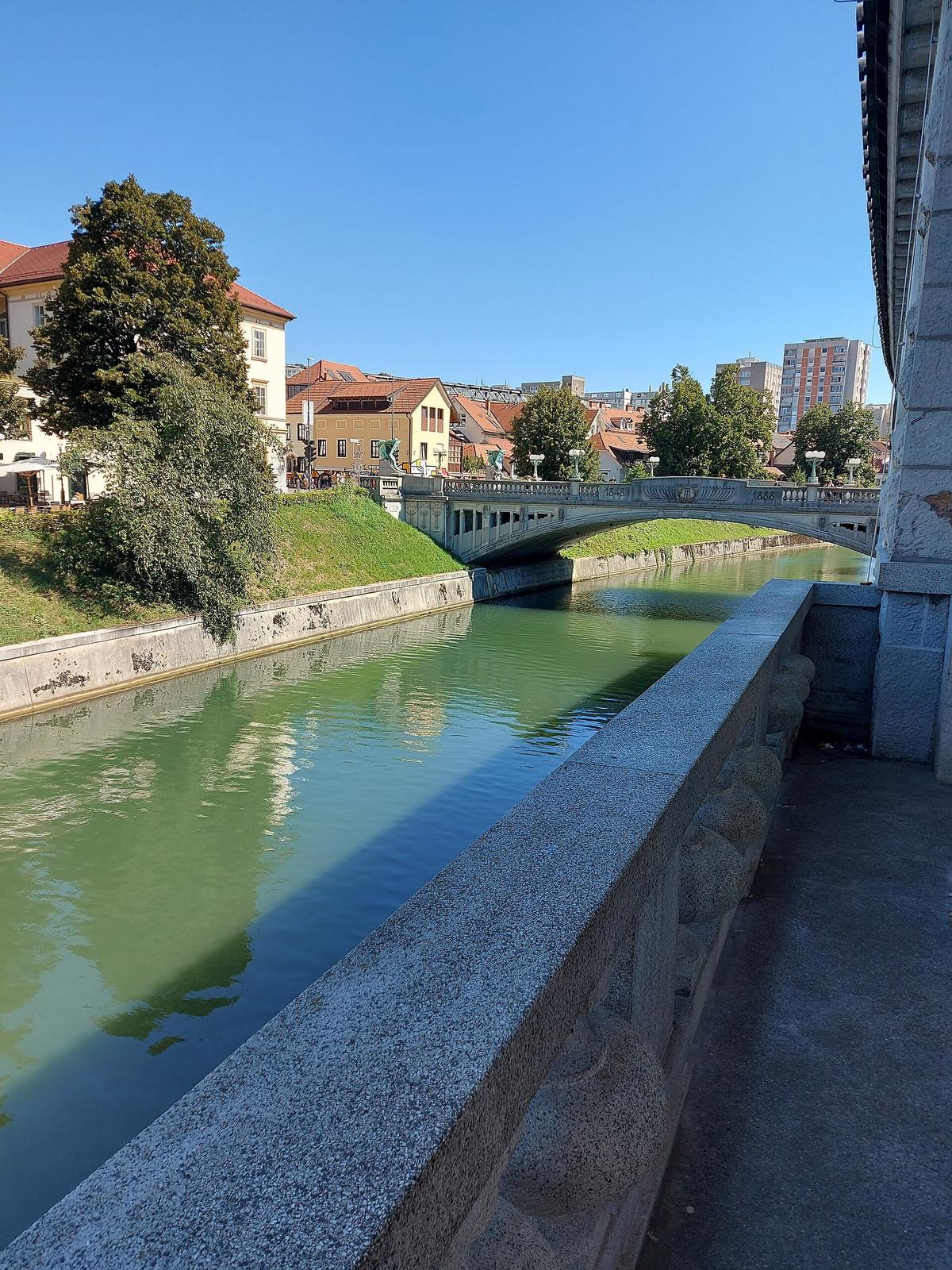
Ljubljana is small but the river culture, Metelkova art zone, and castle-to-park axis give it the weight of a real capital without pretending to be Vienna.
- Flag
-
- ISO code
- SI
- Population
- 272,220
- Currency
- EUR
- Timezone
- Europe/Ljubljana
Why Ljubljana Feels Like a Real Capital Despite Its Size
Pacing Your Stay
Ljubljana demands a different rhythm than a large capital. You do not need a metro. You do not need to plan around traffic. Give it three nights. That secures a full day for the centre and castle, a second for Tivoli Park and the museums, and a third for a half-day trip. Lake Bled sits 55 kilometres away. Postojna Cave is 50. Both are reachable by bus or train in under an hour and return you to Ljubljana in time for an evening river walk. Cutting to two nights leaves you rushing and missing the river culture that defines the city after dark.
The Density That Counts
The city's real density is experiential, not architectural. You shift contexts in a ten-minute walk: from the formality of Plečnik's colonnade to the chaos of Metelkova to the quiet of Tivoli Park's promenades. That compression of experiences is what makes Ljubljana feel like a capital. It does not sprawl. It concentrates. This city suits the traveller who values coherence over scale, who prefers two excellent galleries to ten mediocre ones, who wants a city that holds still long enough to be read properly. It is not for the person who measures a capital by its size on the map or the number of Michelin stars in its dining room. Ljubljana earns its status by doing what small capitals must: it makes every square metre count. For a different kind of concentration, where history is written into the streets themselves, cross into Bosnia and Herzegovina and let Sarajevo and Mostar show you how a capital’s weight is measured in memory rather than metres.

Common Questions
Is Ljubljana walkable for the entire visit?
Yes. The pedestrianised centre covers roughly twelve hectares, and Tivoli Park, the castle, and Metelkova are all within a 20 minute walk. The only reason to use public transport is for the trip to the main bus or train station, which is a 10 minute walk from the old town.
How many days should I spend in Ljubljana before taking day trips?
Three nights minimum. One full day for the old town, castle, and river. A second for Tivoli Park and the museums. A third for a half day trip to Lake Bled or Postojna Cave. Cutting to two nights leaves you rushing and missing the evening river culture.
What is the best time of year to visit Ljubljana?
May through September for outdoor river culture and the open air market. October and April are quieter but the castle and museums fill the gap. December brings Christmas markets on the riverbanks. August is busy but not crushingly so compared to coastal European capitals.
Is Metelkova safe for solo travellers at night?
Yes, with normal city caution. The area is well lit and frequented by locals. Avoid the back alleys alone after midnight. Stick to the main courtyard where the bars and clubs cluster. The same street sense that applies in any urban night zone applies here.
Read next
-
 Ljubljana Things to Do Beyond the Castle and the Day Trip to Bled
Spend a day walking Ljubljana's compact old town, drinking coffee by the Ljubljanica River, exploring Metelkova's street art, and planning the Lake Bled day trip everyone takes.
-
 Slovenia Travel Guide: Ljubljana, the Julian Alps and a Coast You Can Drive in an Hour
Plan a Slovenia trip that connects Ljubljana's riverfront cafes, the Julian Alps hiking trails, and the Venetian-flavoured Adriatic coast without wasting hours in transit.
-
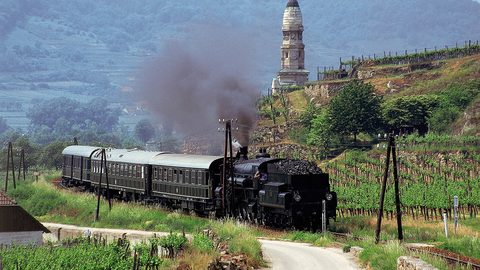 One Month in Central Europe With Four Bases and No Flights
A practical guide to One Month in Central Europe With Four Bases and No Flights.
-
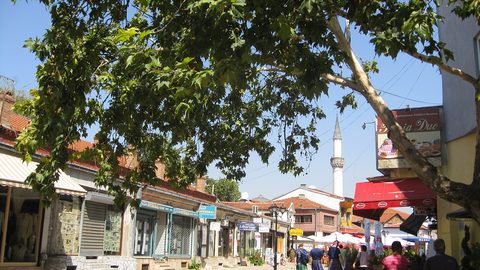 The Balkans in Shoulder Season What Stays Open
A practical guide to The Balkans in Shoulder Season What Stays Open.
-
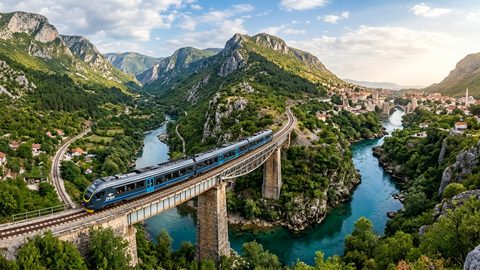 Sarajevo to Mostar by Train and How to Plan the Rest of Your Trip
Plan Sarajevo to Mostar by train with dated rail details, station advice, ticket guidance, luggage tips, and realistic onward travel options.
-
 Krakow or Budapest for a Long Weekend
A practical guide to Krakow or Budapest for a Long Weekend.