Estonia: Medieval Spires, Baltic Islands, and a Society That Runs on Code
Explore Estonia from Tallinn's medieval old town and creative Kalamaja district to the remote Baltic islands and the digital infrastructure that shapes daily life.
- Flag
-

- ISO code
- EE
- Population
- 1,320,884
- Currency
- EUR
- Dial code
- +372
Tallinn, Saaremaa, and Hiiumaa: Medieval Spires, Baltic Islands, and a Society That Runs on Code
Estonia receives 520,000 cruise passengers a season, and nearly all of them see the same 113 hectares of UNESCO listed Tallinn old town before reboarding. That is a 1997 inscription, the buffer zone covers 2,253 hectares, and the cruise season runs late April to mid-October. If you limit yourself to those cobbled streets you will have seen a beautiful Hanseatic relic, but you will have missed almost everything that makes this country unusual. Estonia is not a medieval theme park. It introduced a digital ID card in 2002, first allowed internet voting in 2005, and saw 51 percent of votes cast online in the 2023 parliamentary election. More than 120,000 people hold its e-residency, launched 1 December 2014, and those e-residents have established over 31,000 companies. Linking Tallinn's old town with the wild islands of Saaremaa and Hiiumaa means navigating a society where signing a legal document requires no paper, and doing it all in one coherent trip reveals a nation built as much on code as on cobblestones.
Start in Tallinn: the Old Town and Its Digital Backbone
The Old Town and Kalamaja
Three days is the minimum to cover Tallinn properly. Day one belongs to the old town. Enter through the Viru Gate and walk the 1.9 kilometre city wall circuit. Climb St. Olaf's Church tower for the full view of the red roofs and the port. The single biggest mistake is treating the old town as the whole city. It is not. Walk northeast into Kalamaja, first recorded in 1374 and now the wooden house district that looks like a Baltic fishing village preserved in amber. The Telliskivi Creative City, founded in 2009 on 10 hectares with 10 buildings, anchors the area. It is a former factory complex turned into studios, workshops, and the best place to eat outside the tourist zone.
The Digital Layer
Day two is when the digital reality of Estonia becomes tangible. The e-residency programme does not directly affect a tourist. What does affect you is the X Road, the decentralised data exchange that means you will never queue for a government form. Pay for parking via mobile, sign rental agreements with a digital ID, and use public Wi Fi so ubiquitous that the absence of signal feels like a glitch. The practical takeaway for your trip: download the local transport app before you arrive. Buy a digital ticket. You will not need cash for anything in Tallinn outside a few market stalls, and even those are vanishing. The Tallinn ferry terminal, which handled 8.2 million passengers in 2024 across the 82 kilometre route to Helsinki, is a 15 minute walk from the old town. The crossing takes 2 hours to 2 hours 30 minutes with Tallink Silja, Viking Line, or Eckerö Line. The Stockholm crossing is 380 kilometres and takes 16 to 17 hours with Tallink Silja. Do not use it as a day trip. Use the Helsinki ferry as a logistical tool to arrive or depart, not as the main event.

The Islands: Saaremaa and Hiiumaa, Not a Day Trip
Saaremaa: The Fortress and the Windmills
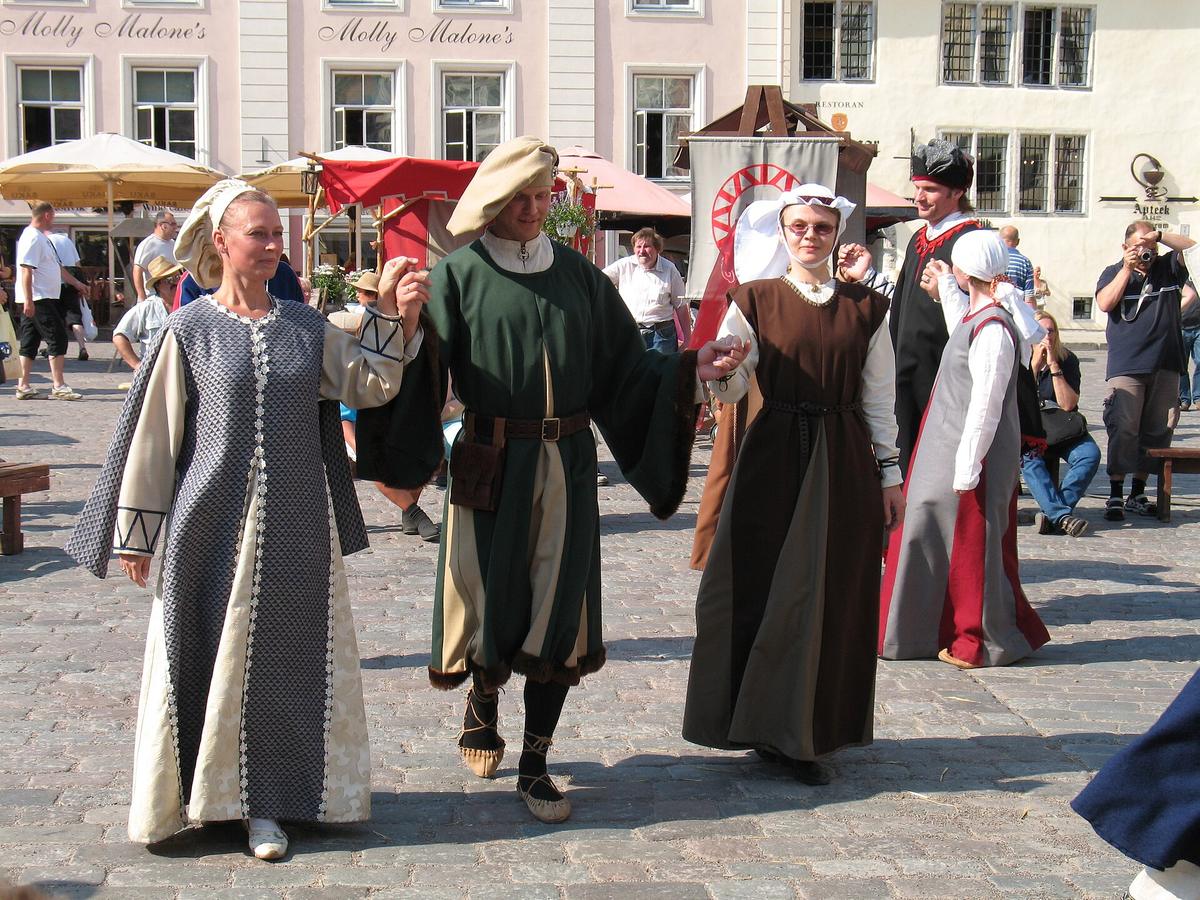
Saaremaa covers 2,673 square kilometres with a population of 31,292. That density tells you everything. This is not a resort. It is a limestone island where the main settlement, Kuressaare, is built around a 14th century Episcopal castle that contains the Saaremaa Museum. The castle is the best preserved medieval fortification in the Baltic region. Book at least two nights. Arrive via the ferry from Virtsu on the mainland, which runs hourly in high season. The crossing takes half an hour. Once on the island, you need a car. Public buses exist between Kuressaare and the main villages, but they run twice a day at best. Rent a car in Tallinn and drive south west. The Kaali meteorite crater field, a set of nine craters, is a short drive from Kuressaare. Visit it at sunrise. You will be alone.
Hiiumaa: Quieter, Smaller, Wilder
Hiiumaa is 989 square kilometres with 8,497 people. It is the island for the traveller who finds Saaremaa too busy. The ferry from Rohuküla on the mainland takes 75 minutes. Book your car passage a week ahead in July and August. The island has one town of note, Kärdla, which is a service hub rather than a destination. The draw is the Kõpu lighthouse, one of the oldest continuously operating lighthouses in the world, built in 1531. The drive from Kärdla passes through forest so dense it blocks the sun at noon. The Suuremõisa manor, a baroque estate built by the Swedish countess Ebba Margaretha von Stenbock, is the best place to stay on the island. It operates as a hotel and a school. Book the tower room. The Sõru museum harbour on the southern coast has a small boat collection and a cafe that serves smoked fish caught that morning.
Forests, Bogs, and the Other Estonia
Lahemaa National Park
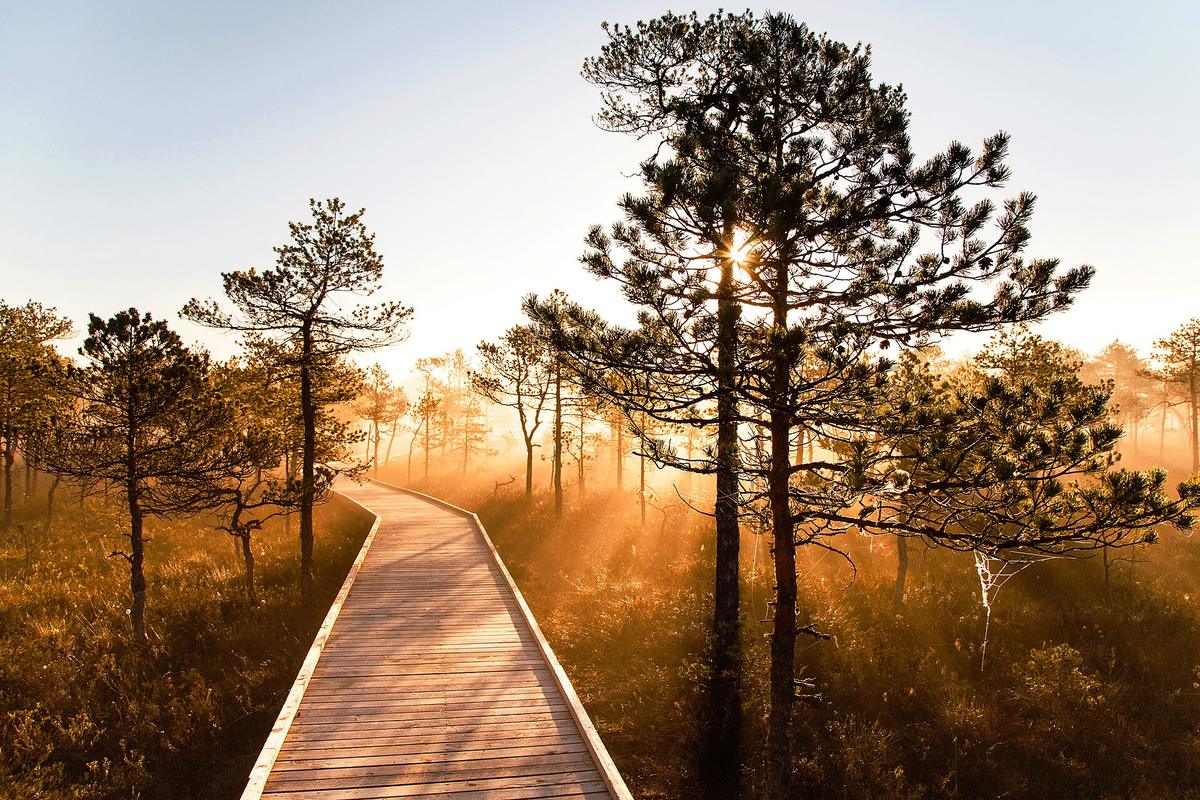
Estonia is 22.3 percent bog and mire. The most accessible example is Viru Raba, a 3.5 kilometre boardwalk loop in Lahemaa National Park, established in 1971 and covering 747 square kilometres. Drive 50 minutes east from Tallinn. Arrive before 09:00 from June to August. The car park fills by 10:00. The walk takes 90 minutes and passes through a raised bog with a viewing platform at the midpoint. Do not attempt to walk off the boardwalk. The bog can be several metres deep and the water is cold enough to induce shock even in summer. The second destination in Lahemaa is the Palmse manor, a baronial estate restored to its 18th century condition. The interiors are exact. The park also contains the abandoned Soviet submarine base at Hara, which is worth a stop if you have time. It is a concrete ruin in a forest clearing.
Tartu: The University City
Tartu, with a 2024 population of 97,759, is the intellectual counterweight to Tallinn. The university, founded in 1632, hosts roughly 14,000 students. The town hall square is ringed by neoclassical buildings and the Tartu University Museum occupies the original main building. The city is small enough to see in a single day, but its student population gives it a cafe culture that Tallinn lacks. The AHHAA Science Centre is the best interactive science museum in the Baltics. The practical reason to go: the bus fare from Tallinn is roughly 10 euros and takes 2 hours 30 minutes. Day trip it if you are pressed for time. Stay overnight if you want to see the university's ossuary collection, which is not something you rush.
Digital Meets Physical
The connection between Estonia's digital infrastructure and the visitor experience is more direct than you might expect. The same system that lets an e-resident register a company means you can book a ferry to Hiiumaa, rent a car, and pay for a bog boardwalk parking slot from a single app. You do not need to print anything. You do not need to queue for a ticket. The country's latitude, between 57°30'N and 59°40'N, means summer solstice delivers 18 hours 40 minutes of daylight and winter solstice delivers 6 hours 3 minutes. Travel in June if you want to hike the bogs and cycle the islands. Travel in July if you want the ferry schedules to run at their highest frequency. Travel in February, the coldest month with a mean temperature of 4.3°C, if you want empty landscapes and a December average of 0.6 daily sunshine hours that extends into the new year. The recorded low of 43.5°C at Jõgeva in 1940 is a curiosity, not a forecast, but it tells you to pack for weather that can kill.

Common Questions
Do I need a digital ID card to travel in Estonia?
No. The digital ID card is for citizens and e-residents, not tourists. You will interact with the digital infrastructure as a passenger through apps and QR codes, but you do not need to apply for e-residency. The e-residency programme, launched 1 December 2014, is for entrepreneurs who want to register a European company remotely. A tourist needs a smartphone and a payment card.
Can I visit Saaremaa and Hiiumaa on the same trip?
Yes, but only if you have at least four days for the islands alone. The ferries run between the two islands from Triigi on Saaremaa to Sõru on Hiiumaa. The crossing takes 90 minutes. Without a car, the connection is impractical because both islands require driving to reach the ferry ports. Rent a car in Tallinn. Do not try to do both islands in under two nights each.
Is Estonia expensive?
Tallinn is cheaper than Helsinki and Stockholm but more expensive than Riga and Vilnius. Expect to pay roughly 50 to 70 euros per night for a mid range hotel in Tallinn in summer. The islands are cheaper than the capital. A meal in a good restaurant in Tallinn runs 20 to 30 euros. Ferry tickets to the islands cost 5 to 15 euros per person depending on the route and whether you bring a car.
When should I avoid the old town in Tallinn?
Avoid the hours between 11:00 and 15:00 from May to September when the cruise passengers arrive. The annual cruise passenger count was 520,000 in 2024, down from 562,000 in 2023, with 300 cruise ship calls in 2024 compared to 338 in 2023. That is still roughly 1,700 passengers per call. They flood the town square, the main churches, and the souvenir stalls. Visit the old town before 09:00 or after 17:00.
How much time do I need for the bogs?
A half day is enough for Viru Raba in Lahemaa National Park. The boardwalk is 3.5 kilometres and takes 90 minutes at a walking pace. Add 30 minutes for the drive from Tallinn and 30 minutes for the return. You do not need a guide. The path is clearly marked. Go in the morning to avoid the crowds. June and July offer the longest daylight, up to 18 hours 40 minutes, which means you can start the walk at 06:00 and finish before the car park fills.
Read next
-
 A Week in Marseille Beyond the Vieux-Port — Neighborhoods Worth Knowing
Most visitors never leave the harbor. This guide covers four Marseille neighborhoods worth a week of your time, with real prices from spring 2024.
A Week in Marseille Beyond the Vieux-Port — Neighborhoods Worth Knowing
Most visitors never leave the harbor. This guide covers four Marseille neighborhoods worth a week of your time, with real prices from spring 2024.
-
 Albania by Furgon and Coastal Ferry for Independent Travelers
A practical overland guide to Albania by local furgon and Adriatic ferry — real logistics on stations, small-town accommodation, and staying connected.
Albania by Furgon and Coastal Ferry for Independent Travelers
A practical overland guide to Albania by local furgon and Adriatic ferry — real logistics on stations, small-town accommodation, and staying connected.