A Car Free Romania and Bulgaria Route by Train and Bus
A practical guide to A Car Free Romania and Bulgaria Route by Train and Bus.

Planning a cross-border route without a car
Travelling between Romania and Bulgaria by public transport is straightforward, and the two countries now share a seamless land border. Since January 2025, both have been full Schengen members, so the days of queueing for passport stamps at the Giurgiu-Ruse Friendship Bridge are over. You still need to carry a valid passport or national ID card, because random checks can happen within 30 kilometres of the border line, but the process is far smoother than it once was.
This route guide focuses on the practical connections that let you move between Bucharest and Sofia, reach the Black Sea coast at Varna, and break the journey at Veliko Tarnovo. Every option described here works without a private vehicle, using only scheduled trains and long-distance coaches.
The seasonal direct train from Bucharest to Sofia
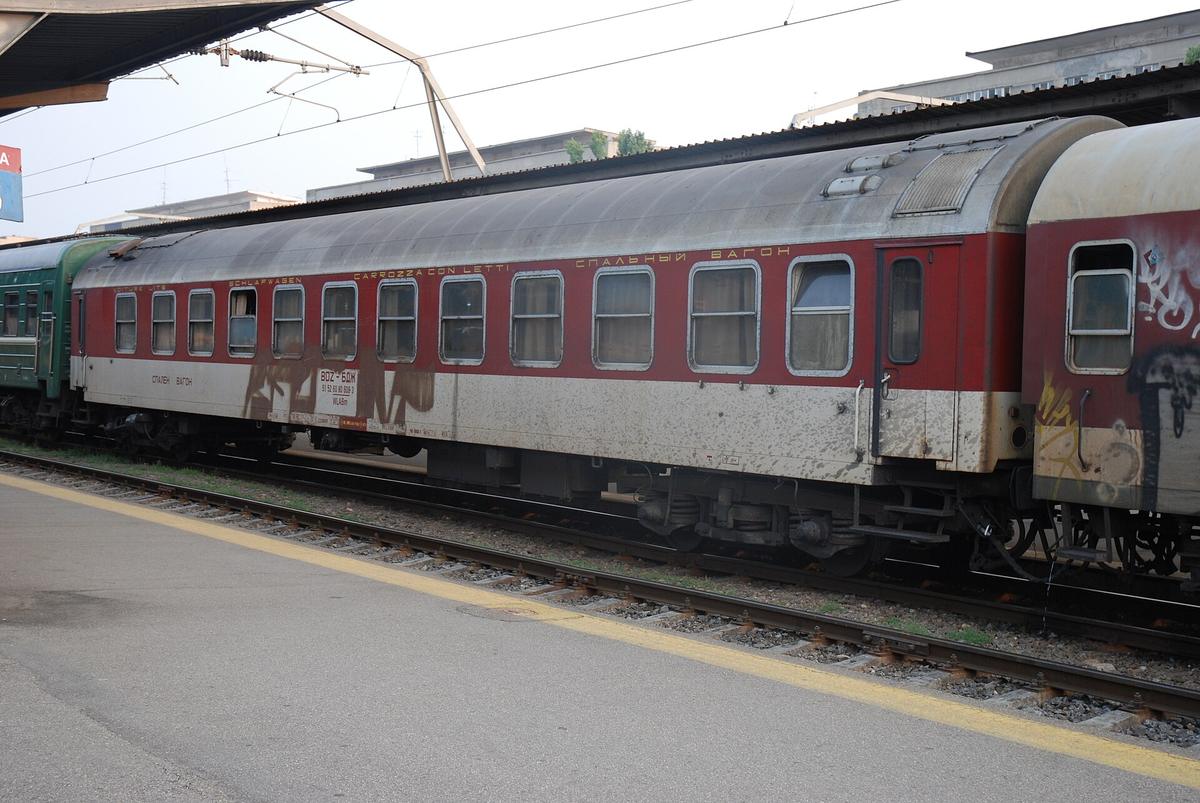
The most relaxed way to cross from Romania into Bulgaria is the international train known as România, numbered 461/460. It runs daily between Bucharest Nord and Sofia during the warmer months, with a scheduled journey time of roughly 9 hours 55 minutes. The service operates from mid-June to mid-October, departing Bucharest in the late morning and reaching Sofia in the evening.
A one-way second-class ticket costs €33.60. You can buy it up to 90 days ahead through the CFR Călători international online booking portal or at station ticket offices that handle international sales. Interrail Global Passes and One Country Passes are accepted on this train, which is useful if you are covering more of the region on a single rail pass.
Because the operating window is strictly seasonal, you should not assume the train exists outside the published dates. The start and end of the season can shift slightly from year to year, so check the CFR Călători international journey planner shortly before you travel, especially if your dates fall near the edges of the window.
What happens outside the summer season
From mid-October to mid-June the direct train does not run. The fallback is a two-leg rail journey. Take a CFR train from Bucharest to the Danube-side city of Ruse, then switch to a Bulgarian BDŽ domestic service from Ruse to Sofia, changing at Gorna Oryahovitsa. This option takes longer and requires you to navigate a connection, but it keeps you on rails year-round.
BDŽ timetables are subject to engineering works, so you need to confirm the Ruse-Sofia leg on the BDŽ passenger website on the day of travel. The same applies to any domestic connection you make within Bulgaria. Planning ahead is wise, but a same-day check is essential.
The bus alternative for Bucharest to Sofia
If the train schedule does not suit your dates, or you simply want a faster crossing, direct coaches link the two capitals. FlixBus serves the route with a fastest scheduled journey time of 6 hours 45 minutes, departing from Autogara Militari in Bucharest and arriving at either Sofia’s Serdika bus station or the Central Bus Station. Union Ivkoni also runs direct buses on the same corridor, with a typical journey time of around 7 hours 15 to 20 minutes.
In Sofia, long-distance coaches arrive at the Central Bus Station, which sits right next to the central railway station. That makes onward connections by train or city transport easy to reach on foot.
Fares, departure times, and the exact boarding point in Bucharest vary between operators and across seasons. Check FlixBus or Union Ivkoni directly on the day you plan to book, because neither timetable is static.
Reaching the Black Sea coast by train
The same România international train that serves Sofia also runs a daily direct service from Bucharest Nord to Varna during the summer season, from mid-June to mid-October. The journey takes approximately 9 hours 10 minutes, with a late-morning departure and an early-evening arrival. A one-way second-class ticket costs €27.
This is the simplest car-free route to the Bulgarian coast from the Romanian capital. The same booking rules apply as for the Sofia service: tickets are available up to 90 days in advance online or at staffed international ticket counters, and Interrail passes are valid. As with the Sofia train, the seasonal window is fixed but should be verified near the start and end dates.
Breaking the journey at Veliko Tarnovo
Veliko Tarnovo, with its hilltop fortress and dramatic river meanders, is a logical stop between Bucharest and Sofia or Varna. The city does not have its own mainline station. Instead, you alight at Gorna Oryahovitsa, a railway junction about 7 kilometres away where the Sofia-Varna line meets the Ruse-Stara Zagora line.
From Gorna Oryahovitsa station, local bus line 10, shared minibuses known as marshrutkas, and taxis cover the short distance into Veliko Tarnovo. Bus and minibus schedules are set by the municipality and can change with little notice, so check the Gorna Oryahovitsa municipal website or enquire at the station for the latest departure times. If you are arriving on a BDŽ domestic service, remember that BDŽ timetables themselves can shift due to engineering work, so a same-day check of both the train and the local connection is the safest approach.
Choosing between train and bus
The decision comes down to three factors: season, speed, and style. The direct train is a single-seat ride with a fixed fare and generous luggage space, but it only exists from mid-June to mid-October. Outside that window, the rail option involves a change at Ruse and Gorna Oryahovitsa, which adds complexity and time.
The bus is faster on paper and runs year-round, but departure points, frequencies, and prices fluctuate between FlixBus and Union Ivkoni. If your priority is a guaranteed seat at a known price booked well in advance, the train’s 90-day booking window and stable fare structure are hard to beat during the summer season. If you are travelling off-season or want the shortest possible journey time, the coach is the practical pick.
Whichever you choose, the key habit is the same: confirm the schedule with the operator on the day you travel. CFR Călători, BDŽ, FlixBus, and Union Ivkoni all publish current timetables online, and a quick check before you head to the station removes the risk of relying on outdated information.
- Direct train season:
- Bucharest-Sofia train fare:
- Bucharest-Varna train fare:
- Schengen border:
- Veliko Tarnovo access:
Sources and verification
- cfrcalatori.ro — Research source checked for this guide
- cfrcalatori.ro — Research source checked for this guide
- interrail.com — Research source checked for this guide
- flixbus.com — Research source checked for this guide
- wanderu.com — Research source checked for this guide
- romania-guidebook.com — Research source checked for this guide
Common Questions
Do I need a passport to travel between Romania and Bulgaria?
Yes. Although systematic border checks have been abolished, random checks can still occur within 30 kilometres of the border. Carry a valid passport or national ID card.
Can I use an Interrail pass on the Bucharest-Sofia train?
Yes. Interrail Global Passes and One Country Passes are accepted on CFR Călători and BDŽ trains, including the seasonal direct international service.
Is there a direct train from Bucharest to Sofia all year?
No. The direct train runs only from mid-June to mid-October. Outside that period, you need to change trains at Ruse and Gorna Oryahovitsa.
Read next
-
 A Week in Marseille Beyond the Vieux-Port — Neighborhoods Worth Knowing
Most visitors never leave the harbor. This guide covers four Marseille neighborhoods worth a week of your time, with real prices from spring 2024.
-
 Albania by Furgon and Coastal Ferry for Independent Travelers
A practical overland guide to Albania by local furgon and Adriatic ferry — real logistics on stations, small-town accommodation, and staying connected.