Romania: Saxon Fortified Churches, Carpathian Hikes, and the Wooden Churches of Maramureș
Romania stretches from Saxon citadels in Transylvania to wooden churches in Maramureș and the painted monasteries of Bucovina, far beyond the Dracula trail.
- Flag
-

- ISO code
- RO
- Population
- 19,473,936
- Currency
- RON
- Dial code
- +40
Romania’s Northern Reaches Demand a Bigger Map
You have probably booked the Transylvania loop: Bucharest to Brasov, a day in Sighisoara, a quick stop in Sibiu, and maybe Bran Castle squeezed in between. That loop covers roughly 10 percent of what Romania holds. The country is 238,397 square kilometres, larger than the United Kingdom. The real itinerary stretches north to the haystack fields of Maramureș and the painted monasteries of Bucovina. The Carpathians demand hiking boots, not a car window. Romania beyond its greatest hits requires a route that reaches the wooden churches and the high pastures.
You need at least twelve days to do this right, and you need a car. Public transport connects the major towns, but the village churches, the mountain trailheads, and the wooden places of worship in Maramureș sit on roads that buses serve once a day, if at all. Fly into Bucharest, pick up a rental car at the airport, and plan a one way drop in Cluj-Napoca or Baia Mare. The distances are real: Bucharest to Baia Mare, the entry point to Maramureș, runs about 590 km by road, a six-hour drive that you should break overnight in Sibiu or Sighișoara.

The Saxon Fortified Churches: Seven UNESCO Villages, Not Just One
Prejmer: The Largest and Best Preserved
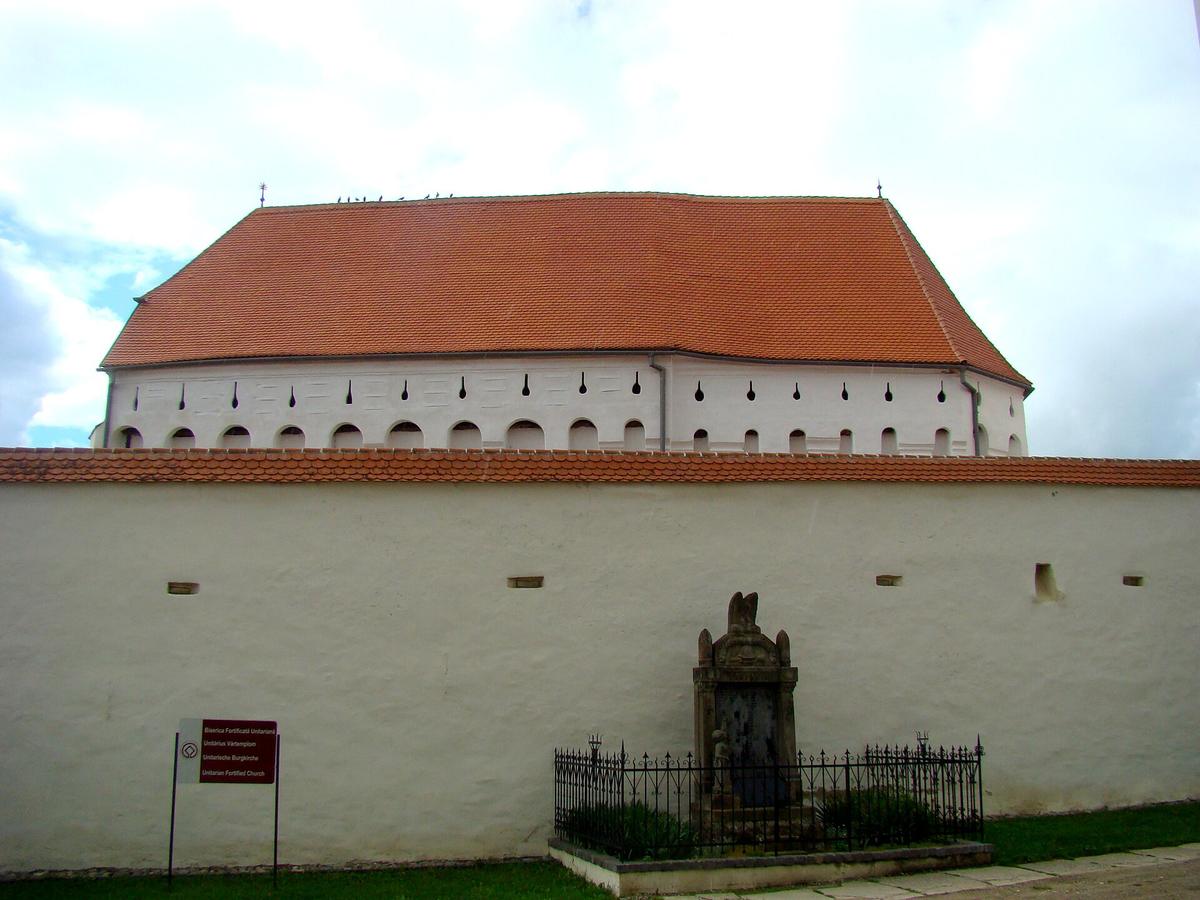
Most visitors see one stronghold church, call it done, and miss the real story. The UNESCO listing titled "Villages with Fortified Churches in Transylvania" includes seven sites: Biertan, Câlnic, Dârjiu, Prejmer, Saschiz, Valea Viilor, and Viscri. Each one tells a different chapter of the Saxon defence strategy. Visit at least three.
Start at Prejmer, 18 km northeast of Brașov. It is the largest and best preserved, with a construction period running from the 13th through the 15th centuries. The outer walls form a rectangle around the church, and the interior contains storage rooms where villagers once stockpiled grain during sieges. Arrive early, by 09:00, and you will have the courtyard to yourself. The entry fee is modest, under 20 RON at last check. The keyholder lives next door if the gate is locked.
Biertan: The Hilltop Complex with a Divorce Room
Drive to Biertan next, 80 km from Prejmer via Sighișoara. Biertan's church was built between 1486 and 1524, and it sits on a hill so steep that the approach road is a single lane. The fortified complex includes a tower, a chapel, and a so called divorce room where Saxon church authorities forced quarrelling couples to live together before granting an annulment. The story is not a local embellishment; it is documented in church archives. Biertan sees more tourists than Prejmer. Arrive by 10:00 to avoid the midday buses from Sighișoara.
Viscri and Saschiz: The Photogenic Pair
Viscri, 35 km northwest of Sighișoara, is the third essential stop. King Charles III owns a restored Saxon house here, and the attention has doubled visitor numbers. The church itself is squat and whitewashed, built in the 13th century on a former Cistercian plan. The climb up the bell tower rewards you with a view over the entire village. Viscri is the most photographed of the seven, but it is also the least defended; the walls are lower and the protective features are minimal. Pair it with Saschiz, 10 km southwest, where the church sits under a massive wooden roof and the hilltop citadel provides a panoramic alternative.
The Carpathians as a Hiking Destination, Not a Scenic Drive
Bear Country: A Safety Briefing
Romania holds 35 to 40 percent of Europe's brown bear population outside Russia, an estimated 7,500 to 8,000 individuals as of a 2023 survey. That number is not a marketing line for a wildlife safari. It is a safety briefing. Bears are not a rare sighting in the Carpathians. They are a constant presence, and 154 attacks on people were reported in 2023, including one fatality. The emergency number for bear sightings is 112. Carry bear spray, make noise on the trail, and never hike alone at dawn or dusk.
Bucegi Mountains: The First-Timer's Hike
The best hiking region for a first time visitor is the Bucegi Mountains, accessible from Brașov via the Prahova Valley. The Bucharest to Brașov railway line, CFR Line 300, runs 166 km through the valley and was electrified in 1965. Do not take the train for a hike. Drive to the Busteni cable car station, pay roughly 40 RON each way, and ride to Babele. From there, a three-hour hike along the Bucegi Plateau brings you to the Sphinx and the Old Woman natural rock formations. The route is exposed, without tree cover, and the weather can shift from clear to thunderstorm in under an hour. Start by 08:00, pack a shell jacket, and watch the cloud base.
Făgăraș Ridge: Romania's Highest Traverse
For a longer trek, head to the Fagaras Mountains south of Sibiu. Moldoveanu Peak is Romania's highest point, and the Fagaras ridge traverse runs 50 km across alpine terrain with refuges every six to eight hours. This is not a day hike. Budget three days, carry a tent or book the refuges in advance, and hire a guide if you have no alpine experience. The rescue service charges for extractions, and those costs run into the hundreds of euros.
Piatra Craiului: A One-Day Ridge Without Technical Gear
If your time is limited, the Piatra Craiului National Park, 45 minutes from Brașov, offers a one-day ridge walk that does not require technical gear. Zarnesti is the trailhead. Follow the red stripe marking to the Curmatura hut, elevation 1,470 metres, then decide whether to descend east to Măgura or west to Plaiul Foii. The entire loop takes seven to eight hours. Start at dawn. The afternoon sun on the limestone ridge is punishing, and water sources on the ridge are seasonal only.
Maramureș: the Wooden Churches and a Different Pace of Life
The Eight UNESCO Wooden Churches
Maramureș is the northernmost region in this itinerary, and it requires a deliberate detour. The UNESCO listing for the Wooden Churches of Maramureș, inscribed in 1999, includes eight buildings constructed between the 17th and 19th centuries: Bârsana, Budești, Desești, Ieud, Plopiș, Poienile Izei, Rogoz, and Șurdești. The tallest is Șurdești, with a tower reaching 54 metres, the highest wooden church tower in Europe. These are not mere attractions. They are active places of worship. Dress respectfully, cover your shoulders, and step quietly during services.
Where to Base Yourself
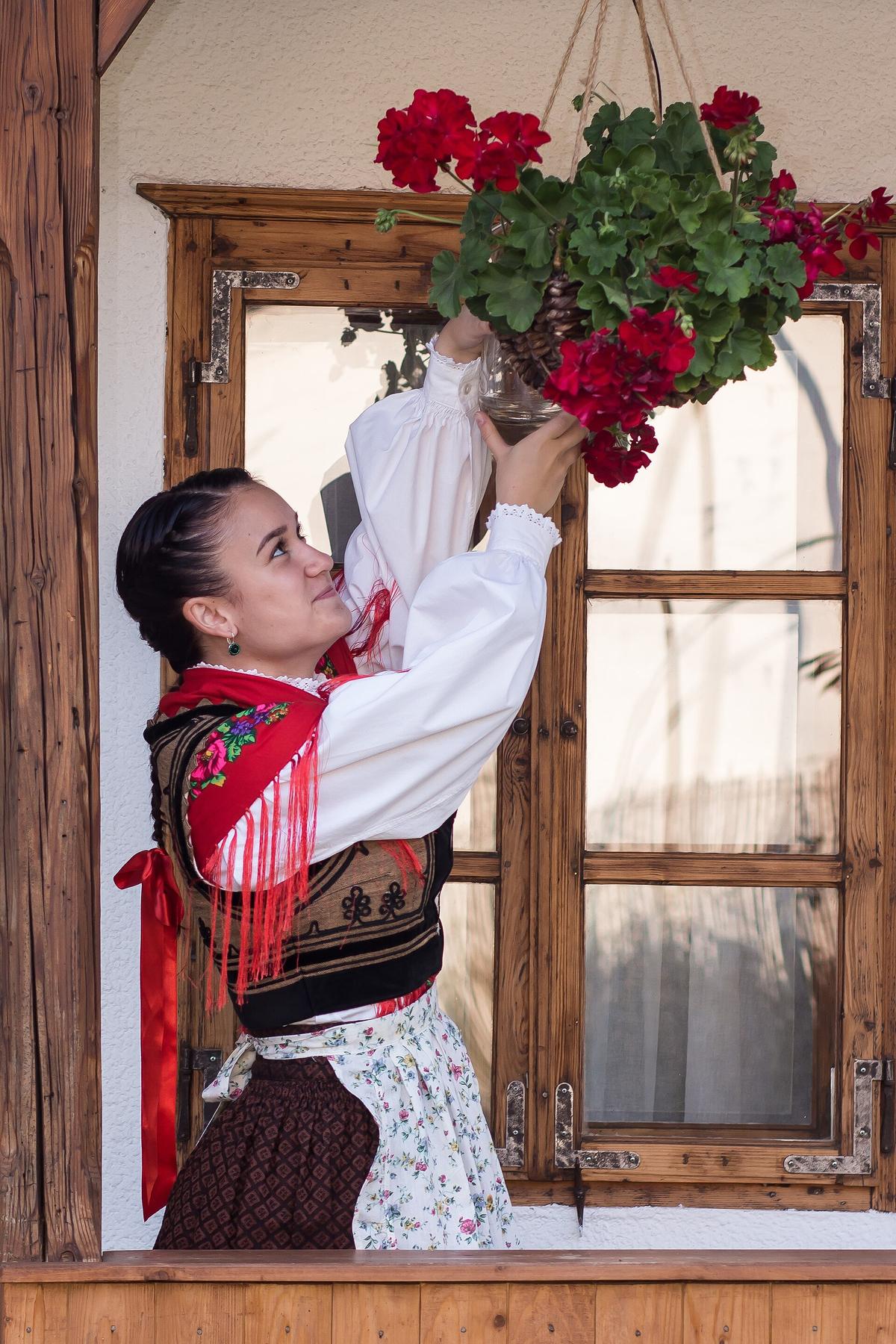
Base yourself in Sighetu Marmației or in a guesthouse in the Iza Valley. Sighetu Marmației sits on the Ukrainian border and holds the Memorial of the Victims of Communism, a former prison turned museum that is far more affecting than the House of Terror in the capital. Budget two hours for the Memorial alone. The wooden churches require a driving loop of roughly 100 km, and the roads are narrow two-lane routes with frequent horse carts. Do not rush. A single church with a locked gate takes 20 minutes to find the keyholder, who is usually a neighbour watering geraniums.
Ieud and the Merry Cemetery
The Bârsana monastery complex, built in 1991, is not a UNESCO site, but its twin wooden towers and ornate gate have made it the most photographed religious building in the region. Visit it only if you have time after seeing the eight original churches. The UNESCO site that matters more is Ieud, where the church interior retains original 18th-century frescoes painted directly onto the timber. The Ieud church is locked except for services. Check the door for a phone number and call before you drive there.
Maramureș is also the region for the Merry Cemetery in Săpânța, a 45-minute drive north of Sighetu Marmației. The painted wooden crosses carry epitaphs written in the first person, often with dark humour. The cemetery is popular, but it rewards a slow walk. Budget one hour. The nearby village of Săpânța has a guesthouse if you want to sleep within walking distance and visit twice, once in the late afternoon light and once at sunrise.
The Painted Monasteries of Bucovina and the Road Home
Voroneț: The Sistine Chapel of the East
Bucovina is the eastern wedge of the north, closer to the Moldovan border than to the Carpathians. The painted monasteries of Bucovina, a separate UNESCO listing from the Maramureș churches, sit south of Suceava. The essential visit is Voroneț, known as the Sistine Chapel of the East for its exterior frescoes in a shade of blue that has no synthetic pigment. The blue was made from ground lapis lazuli, and it has not faded after five centuries. Voroneț is 40 km south of Suceava. Arrive by 08:30. By 10:00 the tour groups arrive from Romania and Ukraine, and the courtyard becomes a bottleneck.
Humor and Where to Sleep
Humor Monastery, 18 km west of Voroneț, has a smaller exterior fresco program but a far quieter atmosphere. The church at Humor was painted in 1535, and the colours are more muted, terracotta and ochre, because the local master used cheaper pigments. Drive between the two in 25 minutes. Suceava itself holds the seat of the medieval principality of Moldavia, but the fortress ruins are underwhelming. Skip Suceava and sleep in Gura Humorului instead, a small town with good guesthouses and direct access to both monasteries.
The Complete Driving Route
The complete itinerary looks like this: land in the capital, drive 184 km to Brașov via DN1 (two hours 30 minutes by train if you prefer), spend two days on the fortified churches and the Bucegi hike, drive 143 km to Sibiu on the same road, spend one day in Sibiu and one day on the Făgăraș trailhead, drive 93 km to Sighișoara via DN14 and DN13 for one night, then drive north. From Sighișoara to Sighetu Marmației is roughly 280 km via Cluj-Napoca, a four-hour drive that you should break in Târgu Mureș for lunch. From Sighetu Marmației to Gura Humorului is 200 km east, two and a half hours. From Gura Humorului back to Bucharest is 450 km, a five-hour drive that you can break in Brașov again or push through in one day if you leave by 07:00.
.jpg)
| Route | Road Distance (km) | Drive Time (approx) |
|---|---|---|
| Bucharest to Brașov | 184 km | 2.5 hours |
| Brașov to Sibiu | 143 km | 2 hours |
| Sibiu to Sighișoara | 93 km | 1.25 hours |
| Sighișoara to Sighetu Marmației | ~280 km | 4 hours |
| Sighetu Marmației to Gura Humorului | 200 km | 2.5 hours |
| Gura Humorului to Bucharest | 450 km | 5 hours |
Who This Route Works for and Who it Does Not
This itinerary suits travellers who want tangible medieval layers and genuine mountain isolation, not curated experiences. Book it if you are comfortable driving narrow mountain roads, accepting that a village church might be locked for an hour while the keyholder finishes lunch, and hiking in bear country without a commercial safari. Skip it if you need a hotel to hotel transfer with no friction, if two or more consecutive nights in small guesthouses feel like a compromise, or if you want to check off Eastern Europe with minimal physical effort. The fortified churches, the Carpathian ridges, and the wooden villages of Maramureș reward the traveller who treats the journey as the itinerary, not the thing that gets in the way of it.
Common Questions
How many days do I need for a Romania trip that includes Maramureș and Bucovina?
Twelve days minimum, and fourteen is better. Bucharest deserves two days, Brașov and the fortified churches need three, Sibiu needs one, Sighișoara needs one, Maramureș needs three, and Bucovina needs two. The drive days between them eat half a day each.
Can I do the Carpathian hiking without a guide?
Yes, on the Bucegi Plateau and the Piatra Craiului ridge, both marked trails with regular hiker traffic. No, on the Făgăraș ridge traverse. The weather shifts rapidly, the refuges require reservation, and the 7,500 to 8,000 brown bears in Romania make solo alpine travel a genuine risk.
Is Bran Castle worth visiting?
One sentence: Bran Castle is a small 14th-century fortress with a tenuous Vlad Țepeș connection and heavy tourist crowds. Skip it and spend the time at Prejmer fortified church instead.
What is the best time of year for this itinerary?
Late May through early June, when the alpine flowers bloom and the bear activity is moderate but not hibernation driven. September also works, with fewer tourists and stable weather. July and August bring summer holiday crowds and afternoon thunderstorms in the mountains.
Can I rely on public transport for the full route?
Between the major towns, yes. Bucharest to Brașov by train takes roughly two hours 30 minutes on the fastest service. Brașov to Sibiu and Sibiu to Sighișoara also have bus connections. To reach the Maramureș wooden churches and the Bucovina monasteries, you need a car. Buses run once or twice daily and do not align with church opening hours.
Read next
-
 A Week in Marseille Beyond the Vieux-Port — Neighborhoods Worth Knowing
Most visitors never leave the harbor. This guide covers four Marseille neighborhoods worth a week of your time, with real prices from spring 2024.
A Week in Marseille Beyond the Vieux-Port — Neighborhoods Worth Knowing
Most visitors never leave the harbor. This guide covers four Marseille neighborhoods worth a week of your time, with real prices from spring 2024.
-
 Albania by Furgon and Coastal Ferry for Independent Travelers
A practical overland guide to Albania by local furgon and Adriatic ferry — real logistics on stations, small-town accommodation, and staying connected.
Albania by Furgon and Coastal Ferry for Independent Travelers
A practical overland guide to Albania by local furgon and Adriatic ferry — real logistics on stations, small-town accommodation, and staying connected.