Brasov, Where Saxon Gates and Carpathian Peaks Outshine the Vampire Merch
Brasov delivers Saxon gates and Carpathian hiking trails, while Bran Castle trades on a vampire story that has nothing to do with the historical Vlad Tepes.
- Flag
-

- ISO code
- RO
- Population
- 253,200
- Currency
- RON
- Timezone
- Europe/Bucharest
Brasov, Where Saxon Gates and Carpathian Peaks Outshine the Vampire Merch
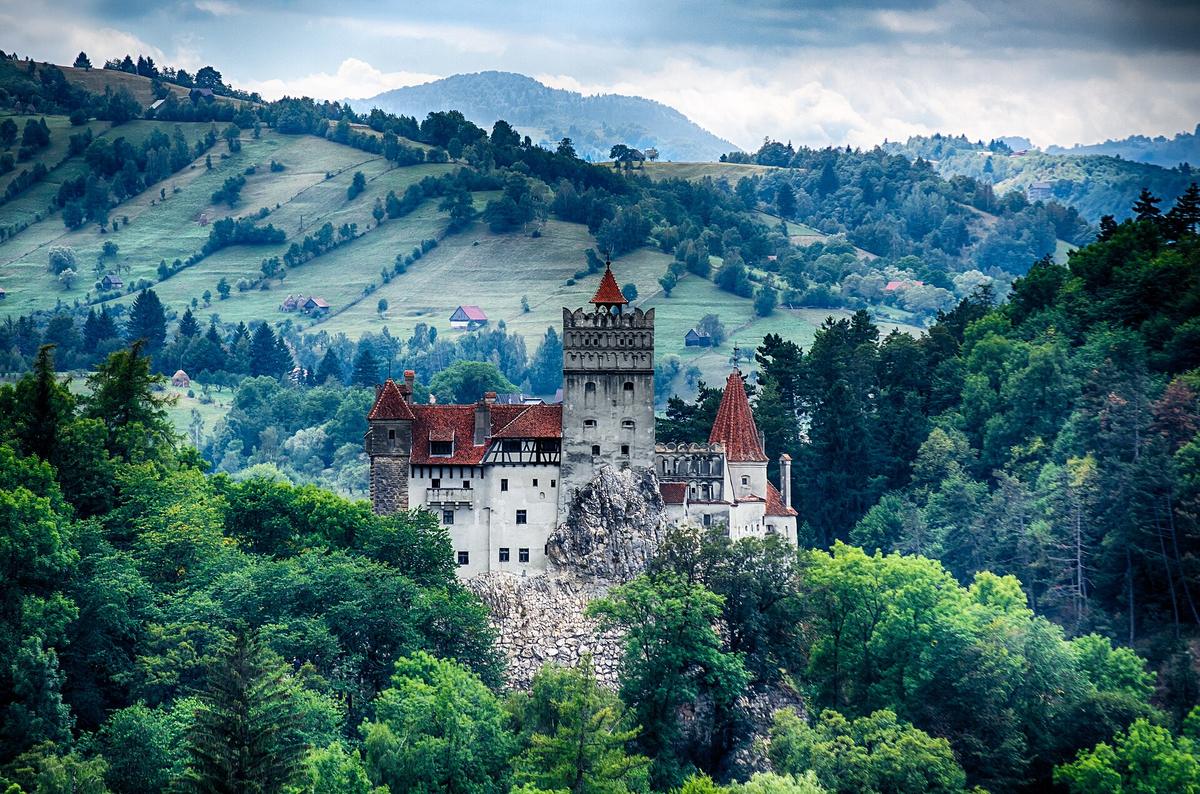
Bran Castle had no documented connection to Vlad the Impaler. He never lived there, never slept there, never held court there, and Bram Stoker never visited. The 14th century fortress on a cliff above the Bran pass was a customs post, then a royal residence for Queen Marie, and later a museum. The Dracula story is a marketing fiction that works so well it risks obscuring everything else in the region. Brasov and its surrounding Saxon towns deliver a dense, walkable medieval core, mountain hiking accessible from the main square, and a network of fortified churches that predate the vampire novels by four centuries. Skip the vampire tour. Spend your days on the slopes of the Carpathians and in the shadow of the Black Church instead.
The Black Church and the Saxon Fortress That Survived
The Black Church and Council Square
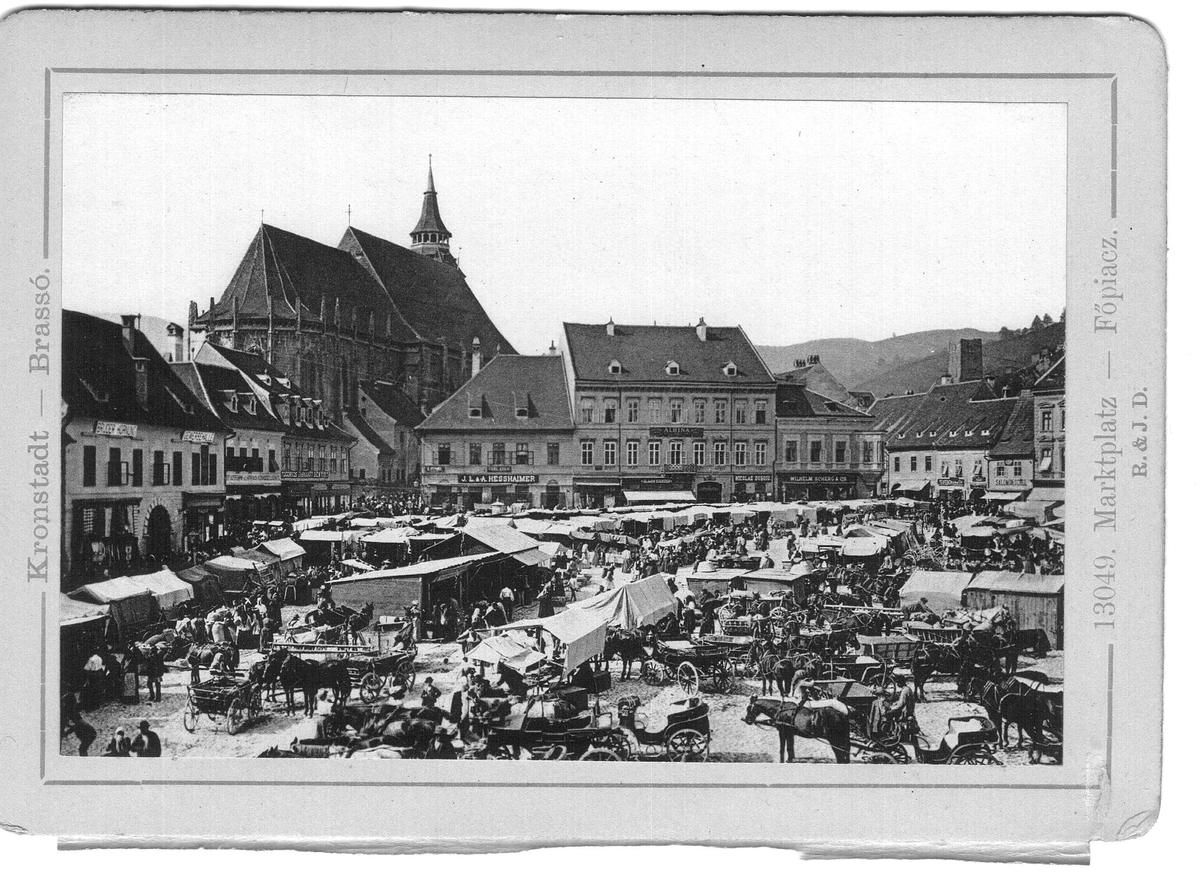
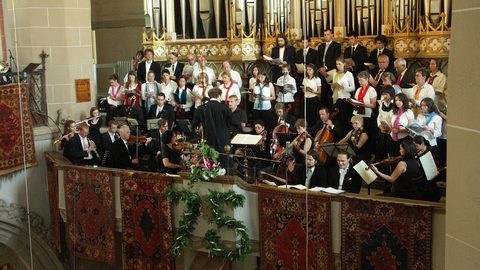
Brasov's old town is a single morning's walk but demands a full day to read properly. The Black Church dominates the Council Square like a stone sermon. Construction began in 1383 and finished in 1477, 94 years later. The 1689 fire that gave it the blackened name gutted the interior but left the walls standing. Enter through the north door. The 3,993 pipe organ plays free recitals on summer Tuesdays and Thursdays at 12:00. The great bell only rings on holidays. Arrive by 09:30 before tour groups fill the nave. Admission is 16 lei for adults.
The Towers and Strada Sforii
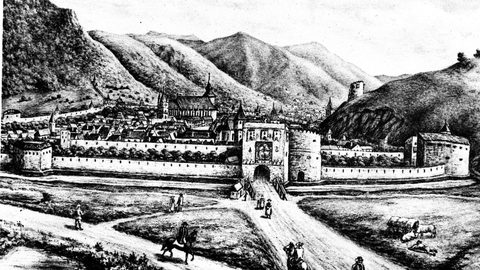
The fortified wall that once enclosed the old town stretched roughly three kilometres. Of the original 28 bastions, 7 survive. Of the towers, 3 remain. Catherine's Gate from 1559 is the oldest. Walk Strada Sforii after the church. At 1.11 metres wide in the narrowest section, it is the tightest street in Brasov. It threads between the White Tower, 18 metres tall, and the Black Tower, 11 metres tall, both climbable for a view over the red tile roofs of the Saxon quarter. The White Tower gives the better panorama of the surrounding Carpathian arc. Go at 17:00 in summer when the light falls across the Tâmpa massif that looms over the southern edge of town.
.jpg)
Bran Castle: What it Actually is and How to Visit Without the Circus
The Real History, Minus the Fangs
The castle was built from 1377 to 1388 as a customs post on the Wallachia Transylvania border. Its first documentary mention is 1377 when Louis I of Hungary granted the land to the Saxons of Brasov. It served as a fortress and toll station for centuries. In 1920 it became the royal residence of Queen Marie and her daughter Princess Ileana. In 1948 the communist regime expelled the royals. In 1957 the castle reopened as a museum. The Vlad connection is thin: a possible two month imprisonment in 1462, unconfirmed by any primary document. Stoker's novel uses a fictional Count Dracula based on a distorted version of Vlad's reputation, but Stoker never set foot in Bran or Transylvania.
How to See It Right
Visit Bran Castle anyway, but visit it for Queen Marie, not the vampire. The queen's furniture, her personal bathroom with running water (an extravagance in 1920s Romania), and the view from her terrace over the valley are the real attractions. Arrive at 08:30 in summer to beat the first tour buses. The crowd peaks from 11:00 to 14:00. Buy tickets online two days ahead to skip the queue. General admission is 60 lei for adults. The souvenir market at the base of the hill sells the same Dracula branded shot glasses and t shirts you saw in the Brasov square. Walk past it. The castle is 28 kilometres from Brasov, roughly 35 minutes by road. A return taxi costs 180 to 220 lei depending on negotiation. The local bus runs from the Brasov train station to Bran for 8 lei each way, hourly, but the schedule is a suggestion not a promise.
Beyond the Castle: Râșnov, Peleș, and the Saxon Fortified Churches
Râșnov Fortress
Two side trips outrank Bran for sheer scale and fewer crowds. Râșnov Fortress, 15 kilometres and 20 minutes from Brasov, was built by the Teutonic Knights from 1211 to 1225 and expanded over the next three centuries. Its defining feature is the 146 metre deep well carved by hand from 1623 to 1640. The views from the plateau over the Bârsa Country are unobstructed. Admission is 25 lei. Allow 90 minutes to walk the entire perimeter. The fortress walls are thick enough to absorb the noise of the motocross track in the valley below.
Peleș Castle
Peleș Castle in Sinaia, 45 kilometres and 55 minutes from Brasov, was the first castle in Europe with central heating and electricity, installed in 1884. Built from 1873 to 1914, it has 160 rooms in a Neo Renaissance style with Saxon Fachwerk elements. The tour of the ground floor only takes 45 minutes and costs 70 lei. The full tour of the upper floors costs 120 lei and requires booking a week ahead in summer. Peleș is a deliberate counterpoint to Bran: where Bran is a defensive fortress on a cliff, Peleș is a royal hunting lodge designed for comfort and display. If you have only one castle day in the region, choose Peleș.
The Saxon Fortified Churches
The Saxon fortified churches around Brasov are the region's quietest secret. Over a dozen survive within an hour's drive. The best preserved is the fortified church at Prejmer, 13 kilometres north of Brasov, built in the 13th century with defensive walls four metres thick. Admission is 12 lei. The village of Viscri has a UNESCO listed church with a tower that functions as a watchtower and a defensive ring wall that held the entire population during Ottoman raids. The churches are not signposted from the main road. Use coordinates, not place names, in your navigation app.
Hiking the Carpathians from the Centre of Town
Trails Within Reach
Brasov sits at 625 metres elevation with the Bucegi Mountains and Piatra Craiului Mountains within half an hour by car. The Bucegi ridge rises to Omu Peak at 2,505 metres. Piatra Craiului runs 25 kilometres along a limestone ridge that peaks at Vârful La Om, 2,238 metres. Both ranges have marked trails accessible from the Brasov area without a guide. The trail up Tâmpa starts directly from the old town, takes 45 minutes to the summit, and requires no equipment. For longer day hikes, drive 20 minutes to the trailhead at Poiana Brasov, the ski resort at 1,020 metres base elevation. The gondola operates year round. In summer it runs from 09:00 to 18:00. A return ticket is 35 lei.
Bear Country
Bear density in the Brasov area is among the highest in Romania. The Romanian Carpathians hold roughly 40 percent of Europe's bear population outside Russia, estimated at 6,000 to 7,000 individuals. Bear activity runs from March to November with peak movement at dawn and dusk. Carry bear spray or a noise deterrent on every hike, even short ones. Store food in sealed, odour proof containers. Feeding bears is illegal and carries fines. The emergency number is 112. The brown bears are not a remote theoretical risk. They cross roads near town, raid orchard edges, and occasionally enter the outskirts of Brasov. Treat the forested hillsides around the city as active bear habitat, not a tame European park.

The Budapest Connection: Why You Should Train Through Oradea
The shared Austro Hungarian architectural layer between Budapest and Brasov is visible in the facades of the Council Square and the wrought iron balconies of Strada Republicii. The train route from Budapest Keleti to Brasov runs through the Prahova Valley and takes anywhere from 2.5 to 4 hours depending on train type. The overnight train is the practical choice for most travellers: sleeper compartments cost 60 to 90 euros and let you wake up in the Carpathians without losing a day. The line passes through Oradea, a city whose Art Nouveau centre rivals Budapest's Sixth District. If you have a full day to spare, stop in Oradea for its Secessionist buildings and thermal baths. The train station has left luggage storage at 10 lei per bag.
- Brasov population (2021 census): 237,589
- Brasov elevation: 625 metres above sea level
- Black Church construction period: 1383 to 1477
- Black Church organ pipes: 3,993
- Bran Castle construction period: 1377 to 1388
- Distance Brasov to Bran Castle: 28 kilometres, approx. 35 minutes by road
- Piatra Craiului ridge length: Approx. 25 kilometres
- Poiana Brasov ski slopes total length: 23.9 kilometres
- Romanian Carpathians brown bear population: Approx. 6,000 to 7,000
- Emergency number for bear encounters: 112
One Honest Caveat
Brasov and its surrounding towns deliver genuine medieval architecture and direct access to the Carpathians, but the Dracula marketing is not going anywhere. Every second shop in the Council Square sells vampire themed plastic fangs. Bran Castle's grounds are a permanent costume party with caped actors charging for photos. The Saxon fortified churches are quiet. The mountain trails above Poiana Brasov are quiet. But the main tourist corridor between Brasov and Bran is a 28 kilometre strip of billboards, helmeted mannequins, and souvenir sheds. The real Brasov is behind that strip, not on it. You have to walk past the vampire to reach it.
Common Questions
How do I get from Budapest to Brasov by train?
Take the direct CFR night train from Budapest Keleti to Brasov, departing daily around 22:00 and arriving at 07:30. The route passes through Oradea and the Prahova Valley. Book a couchette at least two weeks ahead for summer travel. Day trains require a change at Brașov or Sighișoara.
What is the minimum time I should spend in Brasov?
Two full days. Day one for the old town, Black Church, and the two surviving towers. Day two for a half day hike on Tâmpa and a half day trip to Râșnov Fortress or Bran Castle. Three days lets you add Peleș Castle in Sinaia.
Is Bran Castle worth visiting if I do not care about Dracula?
Yes, for Queen Marie's apartments, the 14th century defensive architecture, and the valley views. Arrive at 08:30 in summer and skip the ground floor souvenir market. The vampire branding is inescapable but ignorable once you get above the entrance level.
When is the worst time to visit Brasov for hiking?
The second half of August. Summer crowds fill the mountain trails, bear activity peaks, and the Poiana Brasov gondola queues can reach 45 minutes. For quiet trails, visit in late September when the beech forests turn and the bears fatten before hibernation.
Read next
-
 Where to Stay in Brașov: Old Town Charm vs Tâmpa Mountain Quiet
Brașov's Old Town, Schei and Tractorul districts each offer a different stay. Compare noise, views, parking and access to the Black Church and Tâmpa cable car.
Where to Stay in Brașov: Old Town Charm vs Tâmpa Mountain Quiet
Brașov's Old Town, Schei and Tractorul districts each offer a different stay. Compare noise, views, parking and access to the Black Church and Tâmpa cable car.
-
 Brașov Things to Do Beyond the Black Church and Council Square
Brașov rewards a second day with Tâmpa Mountain hikes, the Schei district's Romanian heritage and the old Saxon bastions most visitors skip.
Brașov Things to Do Beyond the Black Church and Council Square
Brașov rewards a second day with Tâmpa Mountain hikes, the Schei district's Romanian heritage and the old Saxon bastions most visitors skip.
-
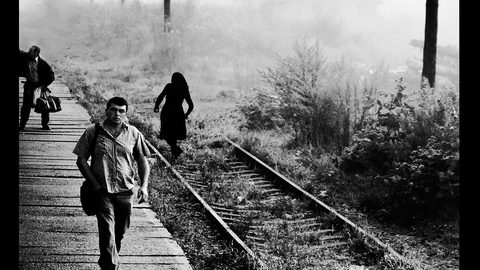 Getting Around Brașov and the Region: Buses, Trains and Day Trip Links
Brașov's buses and trains connect the Old Town to Bran Castle, Râșnov and Poiana Brașov. Learn the routes, terminals and taxi apps that work.
Getting Around Brașov and the Region: Buses, Trains and Day Trip Links
Brașov's buses and trains connect the Old Town to Bran Castle, Râșnov and Poiana Brașov. Learn the routes, terminals and taxi apps that work.
-
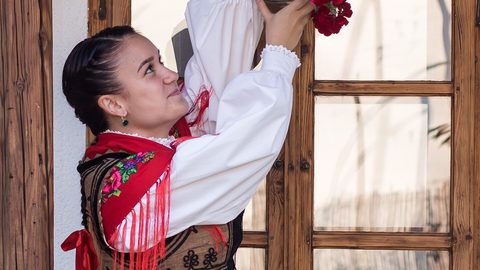 Romania Travel Guide: Transylvania Saxon Towns, the Carpathians and Maramureș
Romania stretches from Saxon citadels in Transylvania to wooden churches in Maramureș and the painted monasteries of Bucovina, far beyond the Dracula trail.
Romania Travel Guide: Transylvania Saxon Towns, the Carpathians and Maramureș
Romania stretches from Saxon citadels in Transylvania to wooden churches in Maramureș and the painted monasteries of Bucovina, far beyond the Dracula trail.
-
 A Week in Marseille Beyond the Vieux-Port — Neighborhoods Worth Knowing
Most visitors never leave the harbor. This guide covers four Marseille neighborhoods worth a week of your time, with real prices from spring 2024.
A Week in Marseille Beyond the Vieux-Port — Neighborhoods Worth Knowing
Most visitors never leave the harbor. This guide covers four Marseille neighborhoods worth a week of your time, with real prices from spring 2024.
-
 Albania by Furgon and Coastal Ferry for Independent Travelers
A practical overland guide to Albania by local furgon and Adriatic ferry — real logistics on stations, small-town accommodation, and staying connected.
Albania by Furgon and Coastal Ferry for Independent Travelers
A practical overland guide to Albania by local furgon and Adriatic ferry — real logistics on stations, small-town accommodation, and staying connected.