Belgrade After Dark and the Kalemegdan Fortress That Anchors It
Belgrade's Kalemegdan Fortress watches over the Danube while splavovi floating clubs and Skadarlija kafanas keep the city alive long after midnight.
- Flag
-
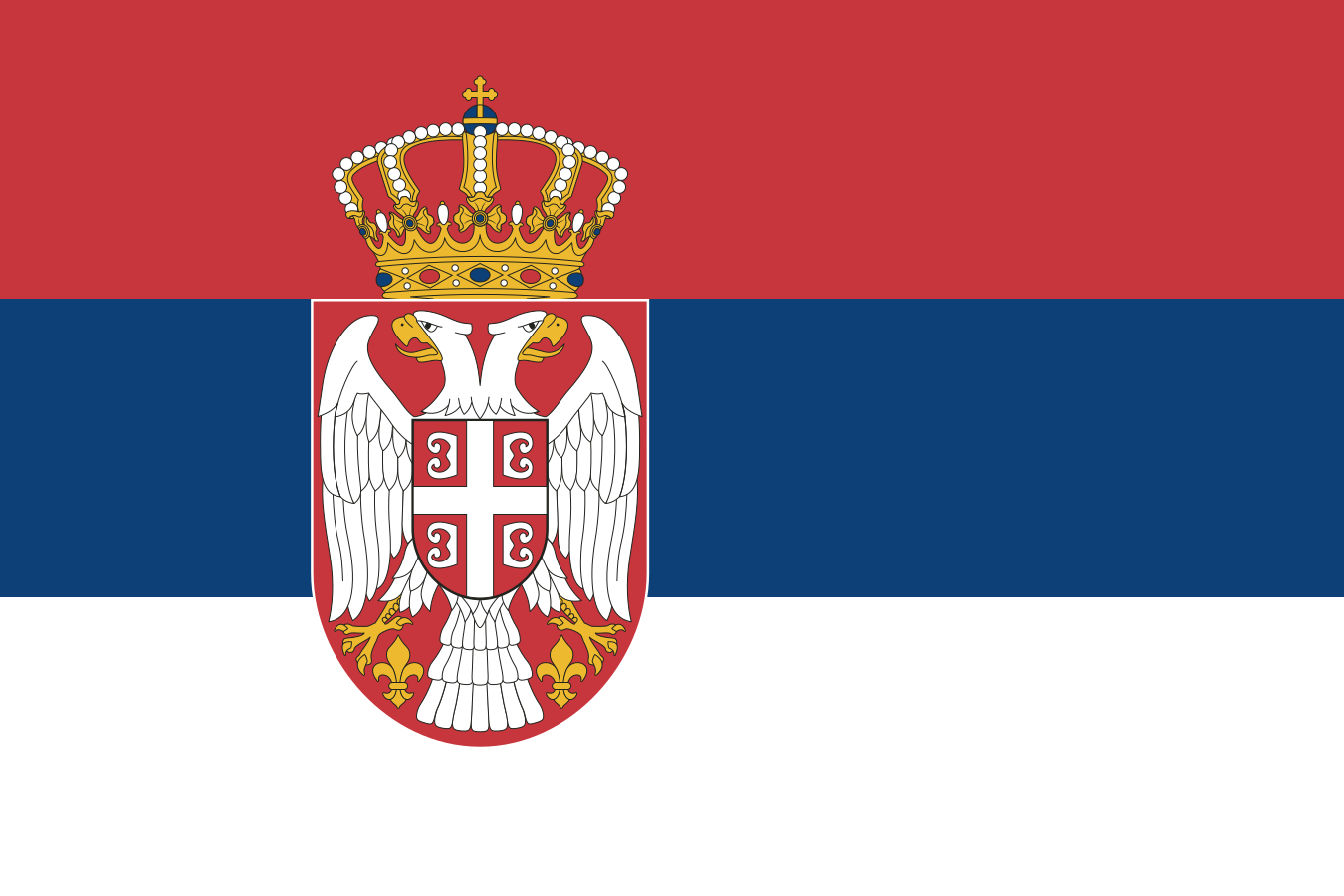
- ISO code
- RS
- Population
- 1,273,651
- Currency
- RSD
- Timezone
- Europe/Belgrade
Belgrade After Dark and the Kalemegdan Fortress That Anchors it
At 11 p.m. on a Thursday in July, the bass from a floating club on the Sava reaches the upper ramparts of Kalemegdan Fortress. Below, the confluence of the Sava and the Danube glitters under coloured lights. Above, the stone walls that have held this ground since the 6th century give nothing away. This is Belgrade's central paradox and its greatest asset. The city refuses to wind down. Not through cheap novelty but through a genuine layering of eras that compete for your attention after the sun drops.
To understand Belgrade's night geography, start where the river views are best and work your way down. The fortress offers the overview, the bohemian quarter offers the past, the new creative district offers the present, and the floating clubs offer the 4 a.m. release. None of these exist in isolation. You move through them in roughly that order, and you end up with a night that explains why this city draws nightlife seekers from across Europe.
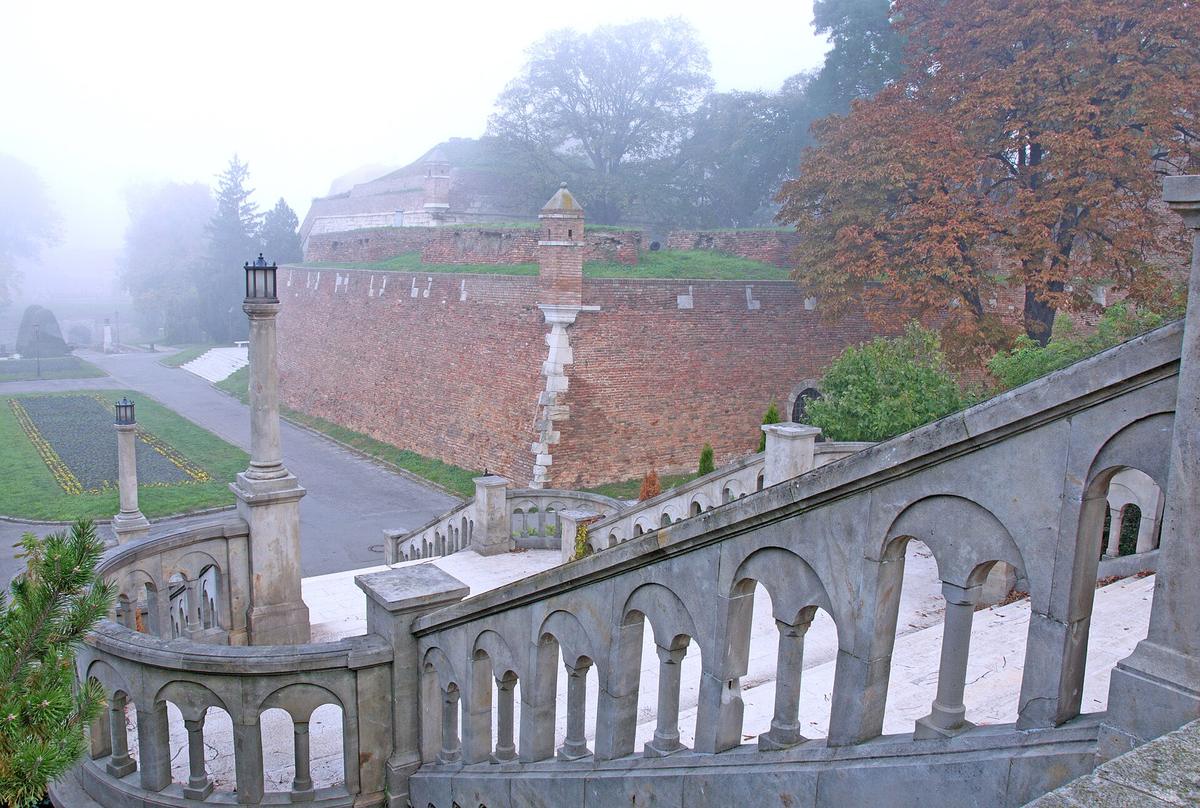

Kalemegdan Fortress and the River Confluence Overlook
Claim The Ridge Before Sunset
Start at Kalemegdan Fortress. The park and its walls occupy the clifftop above the meeting point of the Sava and the Danube. Your target is the upper plateau near the Victor Monument. Arrive before sunset, not at night. The light on the river during the golden hour reveals why every empire from the Celts to the Austrians fortified this ridge. You get a full sweep: the Sava cutting south, the Danube rolling east, and the low slabs of New Belgrade stretching west across the river.
The fortress itself is free. Walk past the Military Museum, the Roman well, and the Ruzica Church. Most visitors treat this as a daytime museum stop. They miss the point. The real function of the fortress for the evening ahead is as a reference point. Stand at the gun turret above the Sava bank and watch the floating clubs light up one by one. You see Blok 70 on the New Belgrade side and the Zemun quay on the Danube side. You see exactly where you will end up. The walk down through the Kalemegdan park takes about 10 minutes to reach the river level.
Skadarlija and the Bohemian Blueprint
Eat Early On The Cobbles
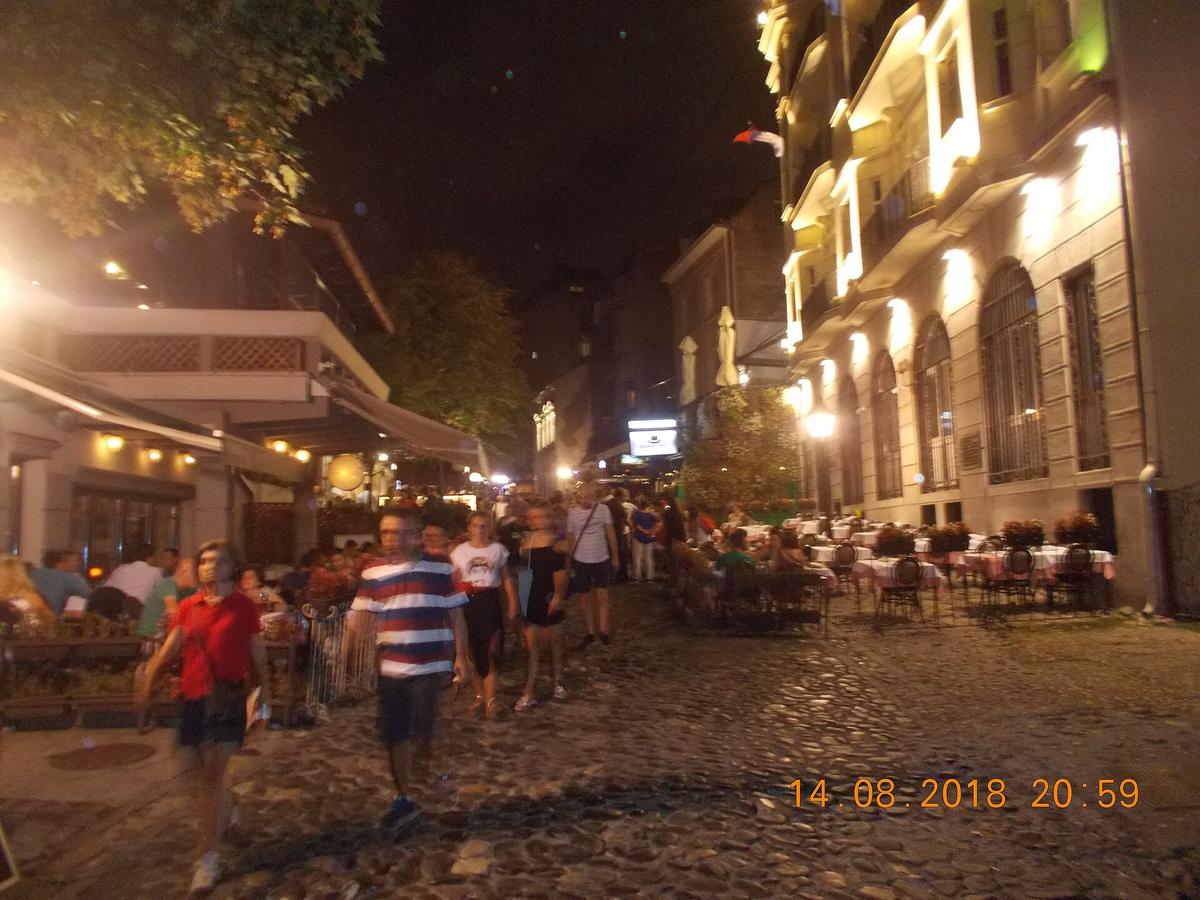
Before you descend to the water, cross the city centre to Skadarlija. This is Skadarska Street, a single cobbled lane that peaked as the bohemian gathering ground from the late 19th century to the early 20th century. It still functions. Kafanas like Dva Jelena and Zlatni Bokal serve grilled meats and live Balkan brass music at tables crowded onto the street. Eat here early, before 9 p.m. The dinner rush is real, and the prices for tourists on the main strip are inflated compared to the side streets. Book a table at Tri Sesira for the full kafana experience. Order a plate of mixed grilled meat, a portion of kajmak, and a carafe of domestic wine. The brass band will play at your elbow. The whole scene feels like a preserved stage set because it is partially one, but the food is real and the late-19th-century atmosphere is genuine.
Why The Kafana Comes First
Skadarlija feeds into the night in a specific way. It tells you how Belgrade partied before the river clubs existed. The kafana is an indoor, sit-down, music-and-alcohol ritual that starts early and can run past midnight. It is not a substitute for the splavovi. It is the historical antecedent. You experience it before the club, not instead of it.
Savamala and the Regenerated Creative Corridor
One Drink, Then Down To The River
Walk south from Skadarlija through the pedestrian zone and cross Brankova Street into Savamala. This district, wedged between the railway line and the Sava riverbank, underwent a visible shift beginning around 2010. Abandoned warehouses turned into galleries and clubs. The street art on Karadjordjeva and Gavrila Principa is dense. The KC Grad cultural centre hosts electronic music and alternative performances. The Beton Hala complex along the riverfront packs several restaurants and cocktail bars into a former concrete warehouse structure.
This is where the night picks up speed. Savamala connects the old-world kafana culture to the modern floating club scene in a physical way. You walk out of a Savamala bar, cross the concrete bridge over the railway tracks, and descend straight onto the Sava quay. The splavovi are directly below. Do not get stuck here. Savamala can hold you with its curated cool, but the point of the district is that it funnels you toward the river. Treat it as a transition zone. One drink. Then move down.

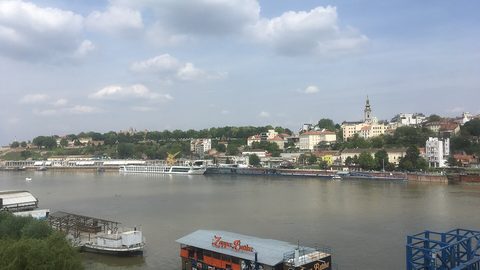
The Splavovi Floating Clubs on the Sava and Danube
How The River Clubs Work
The splavovi are the reason Belgrade's nightlife has a reputation that rivals Berlin's and does not rely on tourism marketing. A splav is a floating barge or riverboat converted into a bar, restaurant, or club. The operating season runs from April to October. The primary locations are the Sava River banks on the New Belgrade side at Blok 70 and the Danube River banks at the Zemun quay. The Sava splavovi cluster is the most accessible from the city centre. Blok 70 is a 15-minute walk across the Brankov Most bridge from Savamala, or a short taxi ride.
Get Past The Tourist Traps
Arrive at the Sava splavovi by 11 p.m. on a Friday or Saturday. The riverfront walkway stitched between the clubs gets busy. Check places named with numbers and river-related names. Do not go to the first two or three you see. Walk further down the quay toward the New Belgrade 70 area. The clubs closer to the Brankov Most bridge charge higher cover fees and target tourists. The ones further out draw a local crowd. Cover fees range from zero to modest, and a domestic beer costs roughly what you would pay in a city-centre bar. Compare that to Budapest, either the Danube or ruin bars circuit, where the same beer runs noticeably higher. Belgrade prices run 20 to 30 percent lower than Budapest for comparable services. Your money goes measurably further.
The Sound And The Sunrise
The splavovi produce a specific sound environment. Open decks, no roof, the bass traveling across the water. The music tilts toward turbo folk on riverbanks closer to the centre and toward electronic on the outer clubs. Pick accordingly. The crowd at the Sava clubs leans younger, local, and dressed for a night out that will last until the sun rises over the Danube at 4:30 a.m. in summer. If you want the full geometry of the Belgrade night, stand on the deck of a splav, look up at the fortress on the ridge above you, and realize you have seen the city at every altitude.
Common Questions
What is the best order to experience Belgrade’s nightlife districts?
Start at Kalemegdan Fortress for sunset views of the river confluence and the floating clubs below. Walk to Skadarlija for an early dinner and live brass music. Cross into Savamala for one drink in a former warehouse bar. End at the Sava river splavovi in Blok 70. Move down in altitude and forward in time.
Do I need to book a table at a splav in advance?
For Friday and Saturday nights during the April to October season, book a table at any splav with a kitchen. Clubs without food rarely take reservations, and you pay cover at the door. For dinner-focused splavovi on the Danube Zemun quay, call ahead by 24 hours. For purely dancing venues, arrive before 11 p.m. or expect a queue.
How do the costs compare between Belgrade nightlife and Budapest?
Belgrade runs roughly 20 to 30 percent lower than Budapest for comparable drinks and club entry. A domestic beer costs less than you would pay in a Budapest ruin bar, and cover fees range from zero to modest. Belgrade is the cheaper capital for a full night out.
Can I walk between the fortress and the floating clubs?
Yes. The walk from the Kalemegdan Fortress plateau down to the Sava quay takes about 10 minutes. The path drops steeply at the south end of the park near the Military Museum. Cross Brankova Street at the traffic lights, then take the pedestrian bridge over the railway tracks. You land directly on the quay above the Blok 70 splav cluster.
What is the difference between the Sava and Danube splav clusters?
The Sava river splavovi at Blok 70 are closer to the city centre, draw a younger crowd, and play more electronic and turbo folk music. The Danube river splavovi at the Zemun quay are farther north, have a higher proportion of restaurants among the clubs, and attract a slightly older, mixed crowd. Visit the Sava clubs for dancing and the Zemun quay for dinner with a river view.
Read next
-
 What to Do in Belgrade From Fortress Walls to Floating River Clubs
Plan your time in Belgrade with a route from the Kalemegdan Fortress ramparts down to the Danube and Sava confluence, then onto the city's famous floating river clubs.
What to Do in Belgrade From Fortress Walls to Floating River Clubs
Plan your time in Belgrade with a route from the Kalemegdan Fortress ramparts down to the Danube and Sava confluence, then onto the city's famous floating river clubs.
-
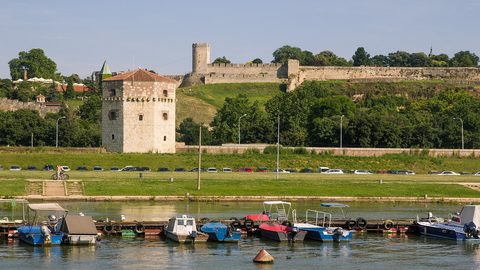 Serbia Travel Guide: Belgrade Nightlife, the Vojvodina North and the Overlooked South
Serbia runs from Belgrade's floating river clubs through Novi Sad's Austro-Hungarian squares to the skull tower and rock formations of the overlooked south.
Serbia Travel Guide: Belgrade Nightlife, the Vojvodina North and the Overlooked South
Serbia runs from Belgrade's floating river clubs through Novi Sad's Austro-Hungarian squares to the skull tower and rock formations of the overlooked south.
-
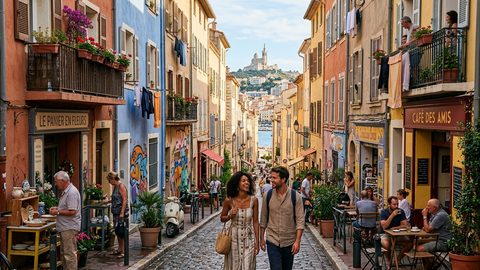 A Week in Marseille Beyond the Vieux-Port — Neighborhoods Worth Knowing
Most visitors never leave the harbor. This guide covers four Marseille neighborhoods worth a week of your time, with real prices from spring 2024.
A Week in Marseille Beyond the Vieux-Port — Neighborhoods Worth Knowing
Most visitors never leave the harbor. This guide covers four Marseille neighborhoods worth a week of your time, with real prices from spring 2024.
-
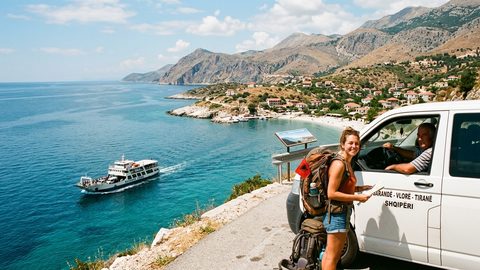 Albania by Furgon and Coastal Ferry for Independent Travelers
A practical overland guide to Albania by local furgon and Adriatic ferry — real logistics on stations, small-town accommodation, and staying connected.
Albania by Furgon and Coastal Ferry for Independent Travelers
A practical overland guide to Albania by local furgon and Adriatic ferry — real logistics on stations, small-town accommodation, and staying connected.