Plovdiv Versus Sofia as a Bulgarian Base
Plovdiv and Sofia offer two different Bulgarias: one an intimate arts city with a Roman theatre, the other a sprawling capital with mountain access. Which one suits your trip.
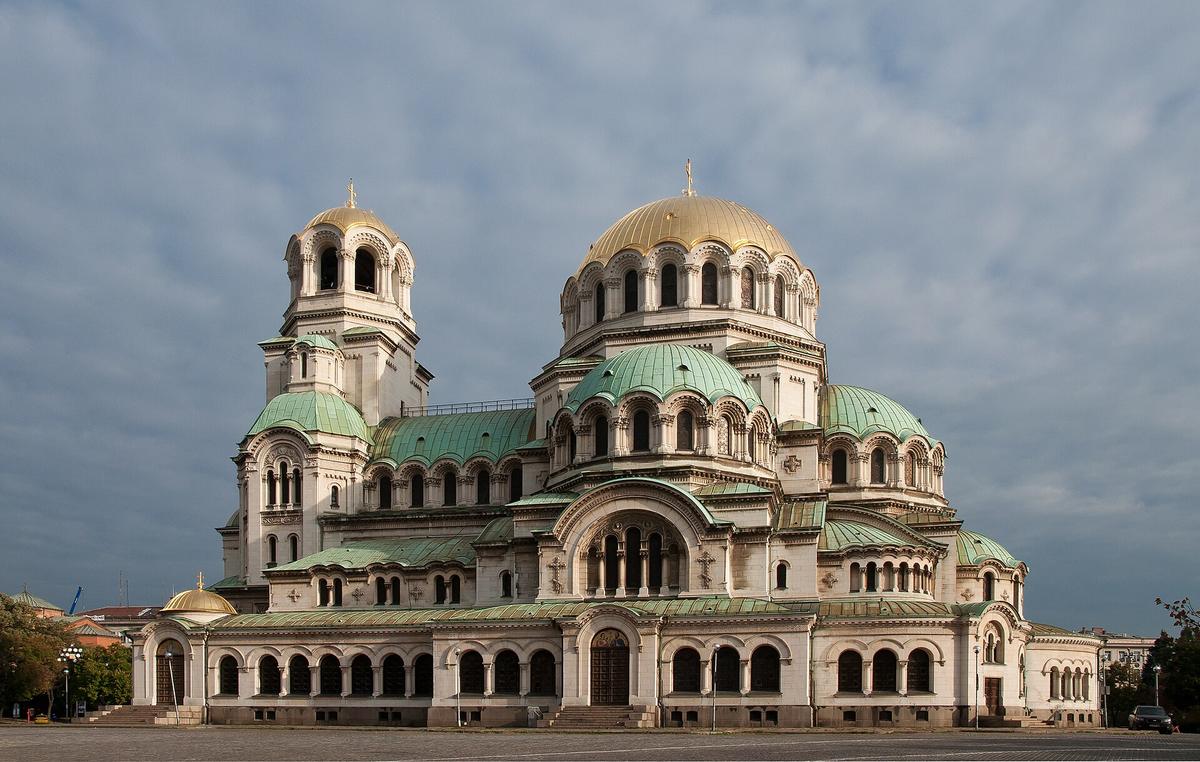

Plovdiv Versus Sofia as a Bulgarian Base
You have a week in Bulgaria and you need one city to call home. Deciding between Sofia and Plovdiv is not about picking the better city. It is about admitting what kind of trip you are actually taking. Sofia is a capital of 1.25 million people, a sprawling low-rise metropolis with Soviet boulevards, a functioning metro, and Vitosha Mountain looming at 2,290 metres to the south. Plovdiv is a university city with a Roman performance venue still in use, a cobbled old town from the Revival period, and a creative quarter called Kapana that the European Union funded as a cultural laboratory in 2019. They are two hours apart by train. You can do both. But if you pick the wrong base camp, you waste half your trip in transit.
Plovdiv is the better choice for a short stay of three or four nights. Sofia is the better choice if you want day trips into mountains, monasteries, and other towns. The distinction is that simple.
The Base Camp Question
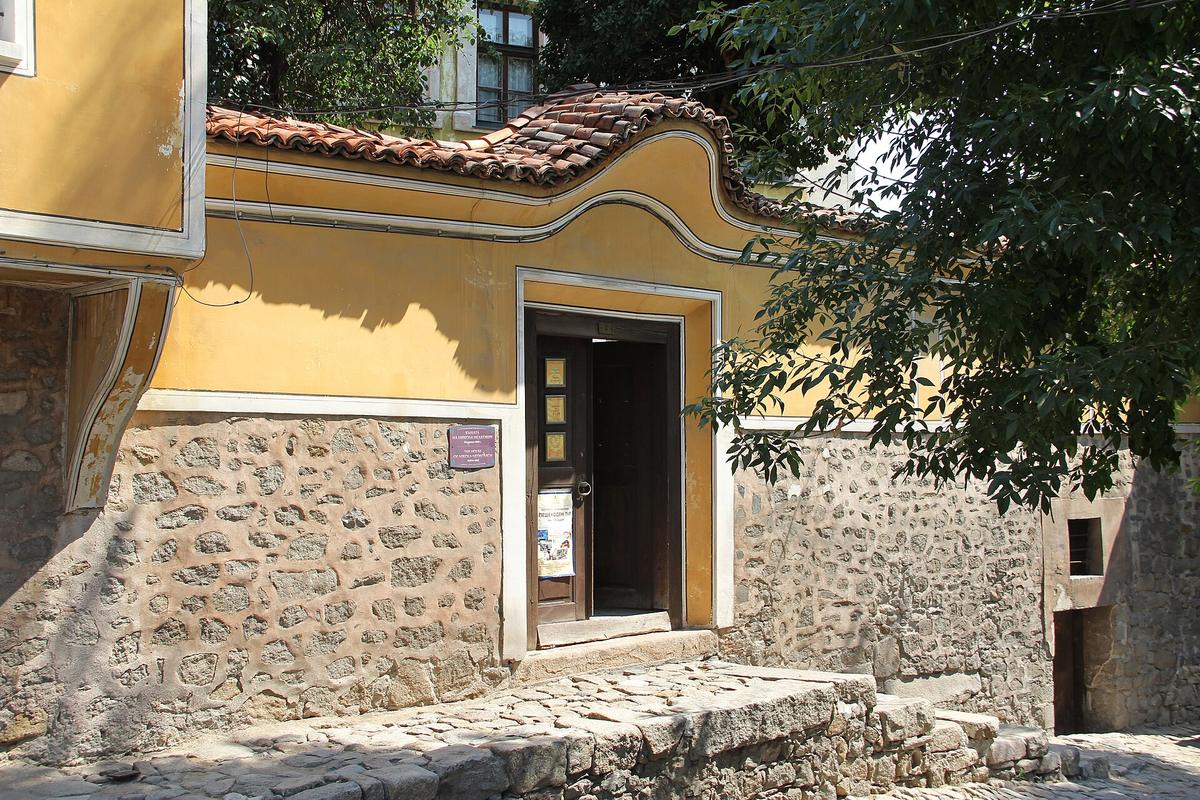
Plovdiv works as a self-contained short-stay city because everything worth seeing sits inside a walkable triangle. The Roman performance venue from the 1st century CE holds modern concerts with 3,500 seats. The Roman stadium from the 2nd century runs under the main pedestrian street. The old town sits on three of the original seven hills, including Nebet Tepe at 203 metres, and the houses are painted in Revival blue and ochre. Kapana, the creative quarter, is a grid of lanes that fill with tables and wine glasses in warm weather. You can arrive at Plovdiv International Airport, take a bus into the centre, and not touch a vehicle again until you leave.
Sofia does not work that way. Sofia has a metro with 47 stations, four lines, trams, buses, and trolleybuses. You need all of them. The Roman remains are scattered across the city centre: the Serdica amphitheatre sits under a glass dome at a shopping centre intersection, the St. George Rotunda from the 4th century is hidden behind the Presidency Hotel, and the Boyana Church, the city's single UNESCO World Heritage Site, is a 30-minute bus ride to the foot of Vitosha. Sofia demands navigation. Plovdiv demands only your feet.
Train Connection, Day Trips and Street Energy
Making the Connection Work
The two cities connect by train in 2 hours 20 minutes to 2 hours 40 minutes on the fastest services, and by bus in about 2 hours. The road distance is roughly 145 kilometres on the A1 Trakia motorway, about 1 hour 30 minutes by car. This matters. The best strategy is to spend three nights in Plovdiv and two nights in Sofia, or the reverse, and move between them in the middle of your trip. Do not pick one and treat the other as a day trip. A same-day return from Sofia to Plovdiv loses four hours on transport. A same-day return from Plovdiv to Sofia loses the same, plus you arrive at the Boyana Church or the Palace of Culture too late for the light.
Day Trips From Each City
If day trips are your priority, base yourself in Sofia. Vitosha Mountain is a 30-minute bus ride from the centre. You can hike from the Zlatnite Mostove area to Cherni Vrah, the 2,290-metre summit, in a single morning. The Rila Monastery, another UNESCO site, is about 2 hours by road. The Seven Rila Lakes are a longer day but feasible. The mountain town of Borovets is a 1-hour drive. Plovdiv has its own day trips: the Bachkovo Monastery is 30 kilometres south, the Asenova Fortress is a short drive, and the Thracian tomb at Starosel is within reach. But the range of mountain access from Sofia is unmatched.
Street Energy After Dark
The urban energy of the two cities is different. Sofia feels grittier. The Vitosha Boulevard nightlife district, the Studentski Grad enclave, and the Shishman Street bar strip produce a noise and density that Plovdiv does not match. Plovdiv's Kapana district and its old town bars are more intimate. The student population here is about 40,000, which fills the streets without overwhelming them. If you want electronic music at 2am in a courtyard with exposed concrete and a DJ borrowed from Berlin, stay in Sofia. If you want a glass of Mavrud wine on a cobbled lane with a view of a Roman venue, stay in Plovdiv.
Cost, Streets and Walking
Costs are similar between the two cities. Rents and dining in Plovdiv run 5 to 10 percent lower than Sofia, based on 2024 market data from the Statistical Institute of Bulgaria. That difference buys you an extra coffee or a nicer hotel room, not a different style of travel. Both cities are cheap by Western European standards. A meal for two with wine runs about 50 to 70 leva in either city.
Plovdiv has seven hills, but only three still exist. The city lost four to quarrying in the 20th century. The remaining hills are steep. The old town climbs from the main street up to Nebet Tepe, and the Kapana district sits on a slight rise. Sofia is flat by comparison. The city sits at 550 metres above sea level, the same elevation as a high plateau, and the streets run in a long grid. If you have mobility concerns, Sofia's metro and flat pavements are easier to navigate. Plovdiv's old town cobbles and hill climbs will exhaust you by the second day.
Roman Remains and Cultural Layers
Both cities offer Roman remains, but they sit at different depths. Sofia's Roman core is partially excavated and partially buried under modern streets. The Serdica fortress walls run under the TZUM department store. The Roman thermal baths are a ruin in a park. Plovdiv's Roman venue is the major attraction. It was uncovered in the 1970s and it now hosts classical concerts, opera, and the Kapana Fest. The Roman stadium sits under the main pedestrian street, visible through a glass floor. The Roman forum is a large open excavation north of the old town. Plovdiv claims continuous habitation since the 6th millennium BCE, making it older than Sofia by several thousand years. That claim does not translate into more visible ruins. The visible Roman layers in Plovdiv are more dramatic. The visible Roman layers in Sofia are more fragmented.
UNESCO Status and Cultural Credentials
Sofia holds one UNESCO World Heritage Site: the Boyana Church, inscribed in 1979, a small medieval church with 13th-century frescoes. Plovdiv has no UNESCO-inscribed sites, though the Roman venue and the Old Town sit on the tentative list. Plovdiv was the European Capital of Culture in 2019, which funded the Kapana renovation, the restoration of the old town facades, and a permanent programme of art installations and street performances. That cultural investment is still visible in 2026. Sofia did not have that injection. Sofia's cultural institutions are older and grander: the National Theatre, the National Gallery in the former royal palace, the Ivan Vazov Theatre building on the garden strip. Plovdiv feels curated. Sofia feels lived in.
Worth it if
- Sofia connects you to Vitosha Mountain, the Rila Monastery, the Seven Lakes and Borovets without a rental car
- Sofia's metro covers the city and the airport, solving the navigation problem Plovdiv's bus-only system creates
- Sofia's nightlife is broader and later, with dedicated districts for students, electronic music and grungy bars
- Plovdiv is walkable. You do not need transport for the old town, the venue, the stadium or Kapana
- Plovdiv's Roman performance venue is a functional space, not a ruin behind a fence
Skip it if
- Plovdiv is poor for day trips. You can reach Bachkovo and Asenova Fortress, but the mountains require a transfer through Sofia
- Plovdiv has no metro and no trams. In summer heat, walking the hills and cobbles becomes a chore by noon
- Sofia's Roman remains are fragmented and partially buried, harder to read without a guide or a map
- Sofia's size works against you. A visit to the Boyana Church and the Museum of History eats a half day in transit
.jpg)
Who Should Choose Which City, and Why
Choose Plovdiv if your trip is three or four nights and you want a compact city with visible Roman layers, a walkable old town, and a dedicated creative quarter where you can drink wine on cobblestones without a map. Choose Sofia if your trip is five nights or longer, if you want to hike Vitosha or visit the Rila Monastery, and if you prefer a capital with a functioning metro, a student nightlife district, and the grit of a real working city. Plovdiv is the better short stay. Sofia is the better base camp. The two-hour train connection between them means you do not have to pick one at all. Split your time and you get both characters without the commute.
Read next
-
 Where to Stay in Plovdiv Kapana District or Old Town for the Best Base
Plovdiv's Old Town offers atmosphere and views but steep climbs, while Kapana delivers cafe culture at the cost of late-night noise.
Where to Stay in Plovdiv Kapana District or Old Town for the Best Base
Plovdiv's Old Town offers atmosphere and views but steep climbs, while Kapana delivers cafe culture at the cost of late-night noise.
-
 Plovdiv Things to Do Roman Theatre Kapana Art and the Seven Hills Walking Route
Plovdiv layers Thracian ruins, Roman spectacle, Ottoman architecture and Kapana's street art across seven hills you can walk in a single day.
Plovdiv Things to Do Roman Theatre Kapana Art and the Seven Hills Walking Route
Plovdiv layers Thracian ruins, Roman spectacle, Ottoman architecture and Kapana's street art across seven hills you can walk in a single day.
-
 Getting Around Plovdiv Without a Car: Buses, Taxis and Walking the Hills
Plovdiv is best explored on foot but buses and taxis connect the hills and outlying districts. Learn the routes, fares and taxi traps before you go.
Getting Around Plovdiv Without a Car: Buses, Taxis and Walking the Hills
Plovdiv is best explored on foot but buses and taxis connect the hills and outlying districts. Learn the routes, fares and taxi traps before you go.
-
 Bulgaria Travel Guide: Plovdiv Roman Layers, Rhodope Villages and the Coast
Bulgaria layers Thracian tombs, Roman theatres, and Rhodope Mountain villages into a compact country where Plovdiv anchors any serious itinerary.
Bulgaria Travel Guide: Plovdiv Roman Layers, Rhodope Villages and the Coast
Bulgaria layers Thracian tombs, Roman theatres, and Rhodope Mountain villages into a compact country where Plovdiv anchors any serious itinerary.
-
 A Week in Marseille Beyond the Vieux-Port — Neighborhoods Worth Knowing
Most visitors never leave the harbor. This guide covers four Marseille neighborhoods worth a week of your time, with real prices from spring 2024.
A Week in Marseille Beyond the Vieux-Port — Neighborhoods Worth Knowing
Most visitors never leave the harbor. This guide covers four Marseille neighborhoods worth a week of your time, with real prices from spring 2024.
-
 Albania by Furgon and Coastal Ferry for Independent Travelers
A practical overland guide to Albania by local furgon and Adriatic ferry — real logistics on stations, small-town accommodation, and staying connected.
Albania by Furgon and Coastal Ferry for Independent Travelers
A practical overland guide to Albania by local furgon and Adriatic ferry — real logistics on stations, small-town accommodation, and staying connected.