Timing Budapest So You Do Not Pay Sziget Prices for a Spa Queue
Plan Budapest around the Sziget Festival accommodation spike, the August 20 fireworks gridlock, and the F1 squeeze, then find the quiet-season spa mornings.
Timing Budapest So You Do Not Pay Sziget Prices for a Spa Queue
You are scanning hotel rates in mid August and seeing four-star rooms for three-star quality at five-star prices. The Sziget Festival runs six days in August and St. Stephen's Day falls on August 20. Together they deliver a double punch that closes roads in central Pest, spikes accommodation by 30 to 50 percent, and packs the baths with festival crowds who treat Széchenyi like a water park. If you are not attending Sziget, do not be in Budapest between August 10 and 15.
Late July brings a second price surge from the Formula One Hungarian Grand Prix at the Hungaroring. Hotels fill months ahead for that weekend. Even if you find a room, the city centre becomes a transit hub for race traffic and the metro platforms at Örs vezér tere are a bottleneck you do not want to navigate. Avoid the Grand Prix week unless you booked accommodation before March and are attending the race.
August also means the summer closure period from the 1st to the 20th. Many local restaurants and smaller shops shut for two weeks. The city does not feel empty because the festival crowds replace the locals, but your food choices narrow to tourist-focused spots around the inner city and the party corridor in the Jewish Quarter.
.jpg)
The Sweet Spots After the Surge Windows
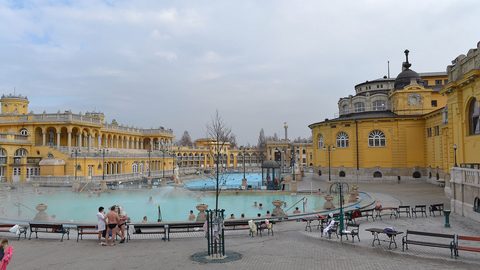
September is the best month to visit Budapest for soaking, ruin bars, and architecture without the heat or the crowds. Autumn temperatures run 8 to 20 degrees Celsius from September through November. The Sziget crowd has gone, the European school holidays have ended, and the Budapest Wine Festival arrives in early September at Buda Castle. The Wine Festival is worth the entry fee of roughly 6,000 HUF because you get a tasting glass and access to the Castle grounds with far fewer people than summer. Book a weekday visit to Széchenyi Bath in September and you will wait no more than 10 minutes for entry at the online ticket lane.
Weekday Winter Mornings at Gellért
Gellért Bath in the Art Nouveau hotel on the Buda side is quieter than Széchenyi year round, but the difference is stark in winter. Winter temperatures run minus 5 to 5 degrees Celsius from December through February. Arrive at Gellért by 08:30 on a weekday morning and you will have the indoor wave pool and the main hall almost to yourself. The outdoor section stays open. Steam rising off the 38-degree water into freezing air is one of the few genuine experiences worth the cold. Book your Gellért ticket online the night before. The ticket counter queue forms by 09:00 and during Christmas market season it can stretch 30 minutes.
Early December Before the Market Peak
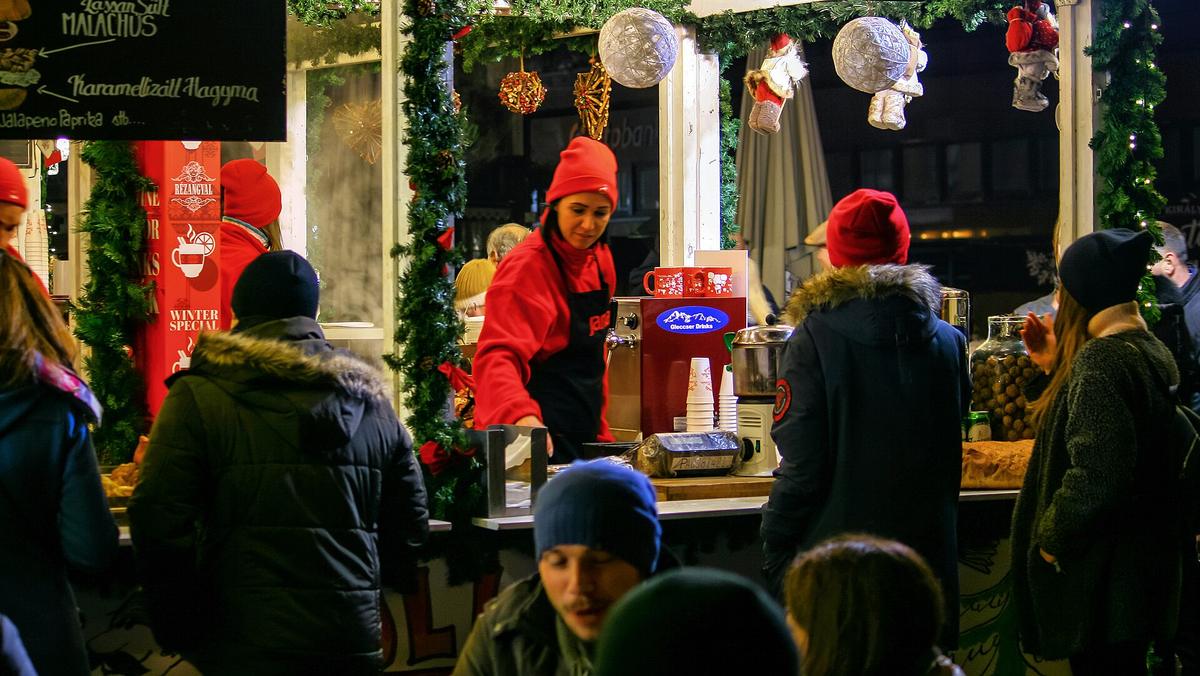
The Budapest Christmas markets start in late November and run until January 1. The first week of December is the window when the crowds are manageable. By December 15, the main market at Vörösmarty Square and the one in front of St. Stephen's Basilica become shoulder to shoulder. The food stalls at Vörösmarty charge higher prices than the Central Market Hall for the same chimney cake and lángos. Hit the market in the first week, buy one kürtőskalács from Molnár's stand, then spend the rest of your time on the Danube Promenade and the free lower terraces of Fisherman's Bastion in the evening when the lights hit the Parliament building.
June and August Are Two Different Cities
June in Budapest is warm, 18 to 28 degrees Celsius, with long daylight until 20:30. The summer crowds have arrived but they are spread out. The ruin bars in the Jewish Quarter are busy but not jammed. You can walk into Gettó Gulyás for lunch without a reservation. June is the right month for day trips to Szentendre or Visegrád because the HÉV trains run every 15 minutes and the riverside towns are not yet packed.
August is a different animal. The heat on the Hungarian Plain reaches 20 to 38 degrees Celsius and the city pavement radiates that heat until midnight. The pedestrian crossings on the Nagykörút stay crowded with Sziget attendees moving between festival shuttles and hostels. The baths are packed by 10:00. The 100E airport bus queue at Deák Ferenc tér can take 30 minutes. If you must visit in August, do the tourist site visits at 08:00 and retreat to Margaret Island in the afternoon where the car-free park offers shade and the musical fountain runs until 21:00.
| Period | Crowd Level | Hotel Price Surge | Bath Queue Time |
|---|---|---|---|
| Mid August (Sziget + St. Stephen's) | Extreme | 30-50% above normal | 45-60 minutes after 09:00 |
| Late July (F1 Grand Prix) | High near race venues | 20-40% above normal | 30 minutes |
| September (Wine Festival) | Moderate | Normal | Under 10 minutes with online ticket |
| Early December (before Dec 15) | Manageable | Normal | 15-20 minutes |
| Mid December to Jan 1 | Very high at markets | 10-20% above normal | 30 minutes |

What Three Days Look Like in the Right Season
With three full days you can cover Pest's core, Buda's hills, and the baths. A September or early December schedule works. Day one targets the inner city and the Jewish Quarter. Start at the Parliament building with an advance online booking, walk the Danube Promenade past the Shoes on the Danube memorial, then cross to St. Stephen's Basilica for the dome climb. Afternoon in the Jewish Quarter for the Great Synagogue on Dohány Street and a late lunch at Gettó Gulyás. Evening at a ruin bar for a nagyfröccs ordered by ratio.
Buda and the Hill Views
Take tram 2 to the Buda Castle hill. The Castle District and Fisherman's Bastion cover more ground than the map suggests. Budget 90 minutes for the upper towers of Fisherman's Bastion at 1,200 HUF and another 90 minutes for Matthias Church at 2,500 HUF. Walk down to Gellért Hill for the view from the Citadella. The Citadella is under renovation until 2025 so the view is still accessible but the fortress interior is closed. End the day at Gellért Bath with a prebooked online ticket for the 17:00 entry when the day trippers have left.
Depth and the Outskirts
Morning at Széchenyi Bath in City Park arriving by 08:30, then Vajdahunyad Castle on the same grounds. Afternoon at the House of Terror or Memento Park, depending on your tolerance for heavy history. Memento Park is 30 minutes by bus from the centre and requires a dedicated trip. Evening at Central Market Hall for paprika and a lángos from Retro Lángos Büfé, not from a market stall.
Who This Timing Suits and Who it Does Not
This timing suits the traveller who wants the grand architecture of the Parliament building and the layered history of the House of Terror without standing in a 45-minute queue to enter Széchenyi. It suits the spa enthusiast who treats soaking as a daily practice and wants Gellért near empty on a January morning. It suits the budget-conscious traveller who knows Budapest costs half of Vienna but still wants to avoid the 30 to 50 percent August markup.
This timing does not suit the nightlife seeker who wants the Sziget Festival crowd. If you are in Budapest for Sziget, the peak crowd in mid August is why you came. It does not suit the luxury first visitor who wants the city at its most polished. Budapest in September has patchier cafe hours and some faded facades. The single thing that most often goes wrong is booking a September trip expecting summer heat and arriving to find 10-degree evenings. Bring a jacket for the Danube Promenade at sunset.
Common Questions
Can I visit the Budapest Christmas markets on Christmas Day?
No. The markets close on January 1, but on December 24 and 25 most stalls shut early or do not open. December 26 is a public holiday with reduced hours. Visit before December 15 for full operation.
Is Széchenyi Bath worth the queue in August?
Not if you are paying Sziget peak rates. The online ticket lane still has a 45-minute wait by mid morning. Go to Gellért instead on a weekday morning. The Art Nouveau setting is superior and the crowd is smaller.
What happens if I arrive in Budapest during the August business closure?
Many smaller restaurants, canteens like Kádár Étkezde, and non-tourist shops close from August 1 to 20. The ruin bars and major landmarks stay open. Your food options narrow to the tourist corridor in the inner city and the Jewish Quarter.
How far ahead should I book accommodation for the F1 Grand Prix?
Book by March at the latest. Hotels in Districts V, VI, and VII sell out three to four months before the July or August race weekend. The remaining rooms are in District XI or the Buda hills with a 40-minute commute.
Do I need cash for the baths?
Yes for some. Széchenyi and Gellért take card at the ticket counter and for food. Smaller baths and the locker deposit do not. Carry cash for each visit.
Read next
-
 Budapest Hotels With Thermal Baths, Danube Views and Design Cred
Budapest hotels that deliver real thermal-bath access, Danube panoramas, and design character, from the Gellért's Art Nouveau spa wing to Palace Quarter sleepers.
Budapest Hotels With Thermal Baths, Danube Views and Design Cred
Budapest hotels that deliver real thermal-bath access, Danube panoramas, and design character, from the Gellért's Art Nouveau spa wing to Palace Quarter sleepers.
-
 Where to Stay in Budapest for First-Timers Who Want the Right Vibe
Match your Budapest district to your travel style, from grand Belváros cafes to the ruin-bar hum of Erzsébetváros, with honest notes on noise and hill climbs.
Where to Stay in Budapest for First-Timers Who Want the Right Vibe
Match your Budapest district to your travel style, from grand Belváros cafes to the ruin-bar hum of Erzsébetváros, with honest notes on noise and hill climbs.
-
 Budapest Flights and Airport Transfer Traps to Avoid in 2025
Which budget airlines serve Budapest Ferenc Liszt Airport, how to get from BUD to the centre, and the taxi and bus ticket traps that catch first-timers.
Budapest Flights and Airport Transfer Traps to Avoid in 2025
Which budget airlines serve Budapest Ferenc Liszt Airport, how to get from BUD to the centre, and the taxi and bus ticket traps that catch first-timers.
-
 Budapest Things to Do That Are Not Just the Parliament and a Bath
Go beyond the Parliament and thermal baths with Budapest's nuclear bunker museum, exiled Soviet statues, ruin-bar farmers markets, and City Park boat rides.
Budapest Things to Do That Are Not Just the Parliament and a Bath
Go beyond the Parliament and thermal baths with Budapest's nuclear bunker museum, exiled Soviet statues, ruin-bar farmers markets, and City Park boat rides.
-
 Getting Around Budapest Without Getting a 12000 Forint Fine
Master Budapest's BKK network: validate paper tickets before boarding, use the BudapestGO app offline, and know which metro lines inspectors patrol most.
Getting Around Budapest Without Getting a 12000 Forint Fine
Master Budapest's BKK network: validate paper tickets before boarding, use the BudapestGO app offline, and know which metro lines inspectors patrol most.
-
 A Budapest Itinerary That Crosses the Danube More Than You Expect
A Budapest itinerary that respects the scale: one full day for Buda's hills, one for Pest's Jewish Quarter depth, and a thermal-bath rest day in between.
A Budapest Itinerary That Crosses the Danube More Than You Expect
A Budapest itinerary that respects the scale: one full day for Buda's hills, one for Pest's Jewish Quarter depth, and a thermal-bath rest day in between.
-
 Hungary Beyond Budapest: Danube Bend Towns and the Great Plain
Hungary beyond Budapest packs Roman ruins, Baroque riverside towns, and the vast Puszta plain into a country you can cross by train in half a day.
Hungary Beyond Budapest: Danube Bend Towns and the Great Plain
Hungary beyond Budapest packs Roman ruins, Baroque riverside towns, and the vast Puszta plain into a country you can cross by train in half a day.
-
 What Budapest and Central Europe Actually Cost Now, From a Lángos to a Thermal Bath Pass
Budapest still runs at roughly half the cost of Vienna for accommodation, meals, and attractions, but prices have risen sharply in the Jewish Quarter and Castle District.
What Budapest and Central Europe Actually Cost Now, From a Lángos to a Thermal Bath Pass
Budapest still runs at roughly half the cost of Vienna for accommodation, meals, and attractions, but prices have risen sharply in the Jewish Quarter and Castle District.
-
 Budapest Thermal Baths Compared Which One and How It Works
Széchenyi, Gellért, Rudas, Király, or Lukács—which Budapest thermal bath fits your trip based on architecture, crowds, gender rules, and local authenticity.
Budapest Thermal Baths Compared Which One and How It Works
Széchenyi, Gellért, Rudas, Király, or Lukács—which Budapest thermal bath fits your trip based on architecture, crowds, gender rules, and local authenticity.