Choosing Between Budapest and Prague
Budapest and Prague are the two Central European capitals everyone chooses between. One is grander and grittier, the other more compact and polished. Here is the honest comparison.
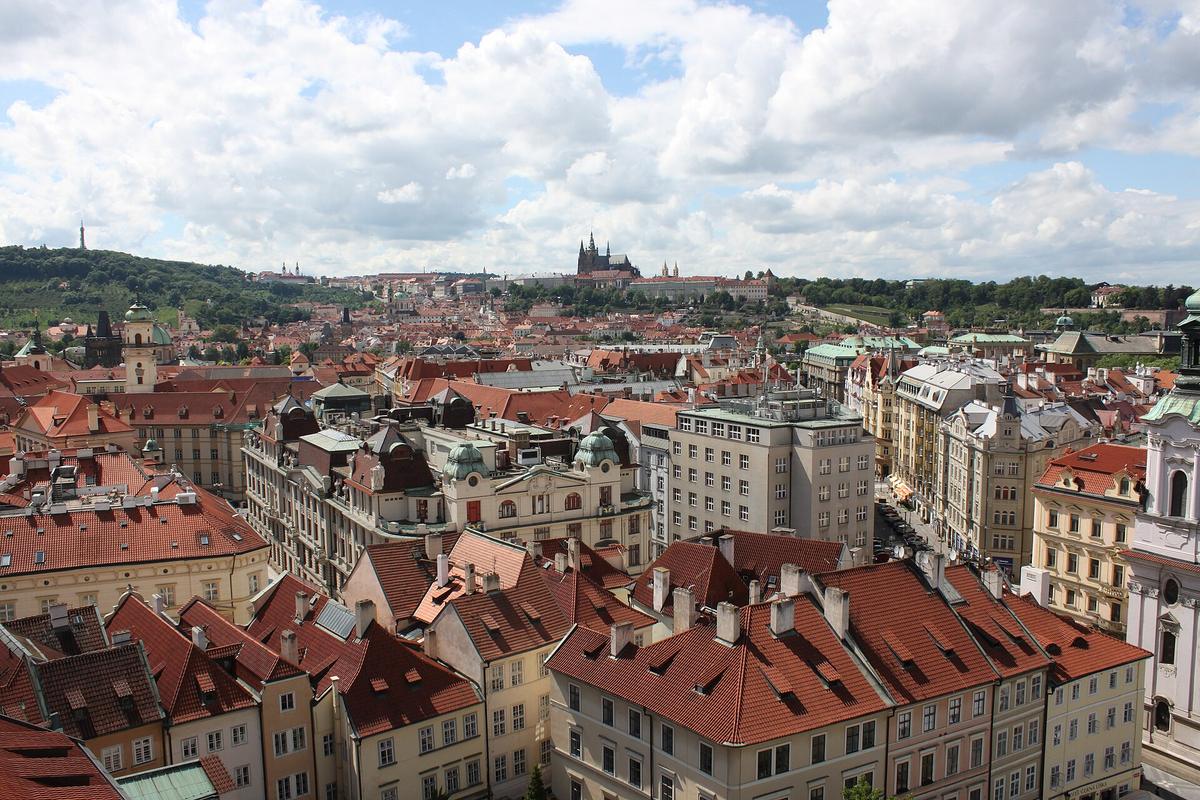

Choosing Between Budapest and Prague
Budapest receives roughly twice as many tourists as Prague each year and is still cheaper by a measurable margin. That fact alone should reframe the debate. The question is not which city is better. It is which failure mode you tolerate better. Prague frustrates with crowds on its compact medieval streets and a stag party scene that ranks in Europe's top three. Budapest frustrates with its sheer scale, graffiti crusted onto grand facades, and plain clothed ticket inspectors who will fine you 12,000 HUF on the spot. Both cities punish different kinds of unpreparedness. Pick the one whose penalties you can live with.
| Axis | Budapest | Prague |
|---|---|---|
| Average pint, domestic lager (2025) | 800–1,200 HUF | 55–75 CZK |
| Three-course dinner for two, mid-range (2025) | 18,000–25,000 HUF | 900–1,400 CZK |
| 72-hour public transport pass (2025) | 5,500 HUF | 330 CZK |
| Natural thermal baths | 9+ major historic baths | 0 |
| UNESCO World Heritage Sites | 3 | 1 |
| City area | 525 km² | 496 km² |
| Annual tourist arrivals (2024) | Approx. 14 million | Approx. 7.4 million |
| Overnight train connection | Yes (EN 476 Metropol, seasonal) | Same train, reversed direction |
What Your Money Buys in Each City
Budapest is the cheaper city by every measure, but the gap is not uniform. A 72 hour public transport pass in Budapest cost 5,500 HUF in 2025, against 330 CZK in Prague. That is not a rounding error. It is a structural difference in how each city prices access. A three course dinner for two in a mid range Budapest restaurant ran 18,000 to 25,000 HUF in the same period. In Prague the 2025 range was 900 to 1,400 CZK. The Budapest dinner is cheaper in absolute terms and cheaper still when you remember that the Hungarian forint has not appreciated against the euro the way the Czech koruna has.
Thermal bathing is where the value gap becomes a categorical advantage. Budapest has nine major historic baths. Prague has zero natural thermal baths. You cannot replicate the Széchenyi or Gellért experience in the Czech capital. Book a weekday locker at Széchenyi and it cost 9,400 HUF in 2025. Gellért ran 9,800 HUF. Both are less than the 20,000 HUF non EU entry fee for the Hungarian Parliament building. The baths are the single best value proposition in either city.
Where Prague Holds the Line
Prague dominates on beer. A domestic lager pint in the 2025 range of 55 to 75 CZK undercuts Budapest's 800 to 1,200 HUF when you do the euro conversion. The Czech pub culture is also denser and more consistent. Walk into any bar in Prague 1 and get a well poured Pilsner Urquell. In Budapest you have to know which ruin bar keeps its lines clean and which is serving flat Fröccs from a plastic keg.
Prague Castle circuit B ticket cost 250 CZK in 2025. The Hungarian Parliament building charged 10,000 HUF for EU citizens and 20,000 HUF for non EU visitors. If your priority is landmark access at low cost, Prague wins that line item decisively.
The Personality Test: Who Should Go Where
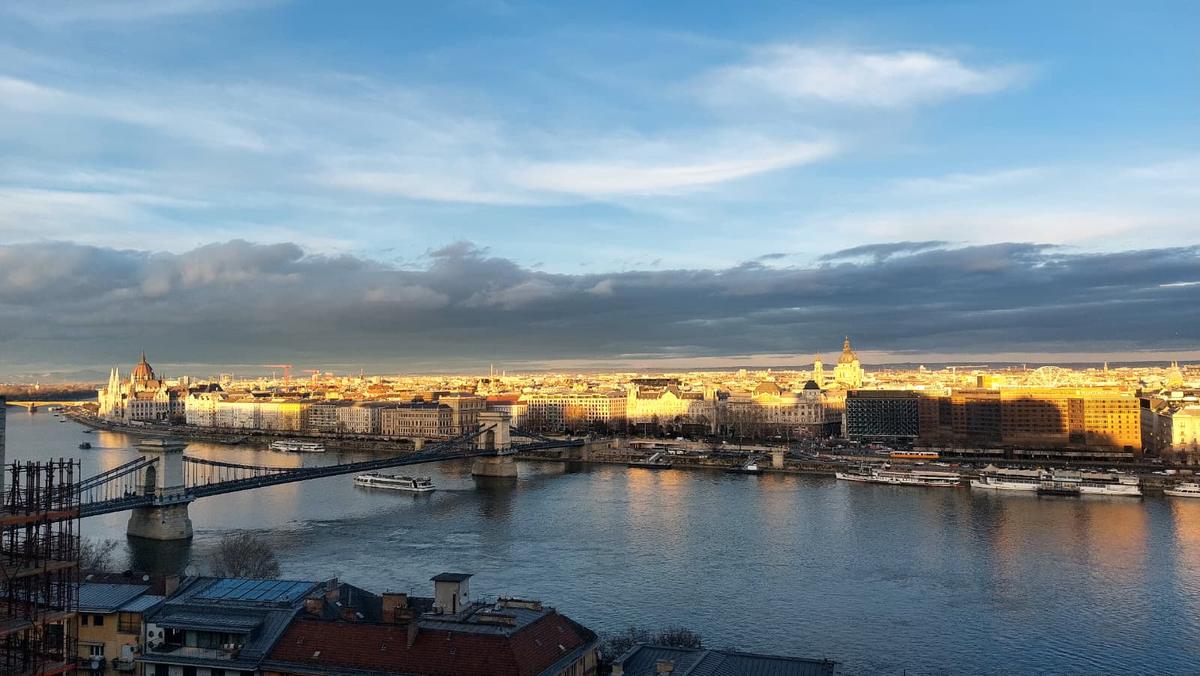
Pick Budapest if your primary demands are thermal baths, ruin bars, a nightlife scene built around grungy courtyards and world class electronic music, and a city that feels lived in rather than polished. Budapest is for the traveller who can tolerate visible decay on grand boulevards, long walks across the Danube, and the occasional encounter with an aggressive ticket inspector. The city requires three full days minimum: one for Pest's core, one for Buda's castle and hills, one for baths and the Jewish Quarter. Do not treat Buda as a half day checkbox. The Castle District, Gellért Hill, and the Buda Hills demand a full day and far more walking than the map suggests. The best views of Pest are from Buda at sunset.
Pick Prague if you want a fairy tale medieval core that feels cohesive and walkable, a beer culture that is not just famous but functionally perfect, and a city where the main sights sit inside a compact UNESCO zone. Prague is for the traveller who values polish over energy and who does not want to spend an hour on a tram to reach a ruin bar. The stag party density is a real cost. Prague ranks in Europe's top three for stag groups. So does Budapest. You do not escape that problem by switching cities. You just get a different kind of rowdiness.
Nightlife by District
Budapest's nightlife district is District VII, Erzsébetváros, where the ruin bar count exceeds ten. Prague's main nightlife zone runs along Dlouhá Street in Prague 1. Budapest's ruin bars feel like they grew organically from abandoned buildings. Prague's club scene feels more corporate. Neither is wrong. They are different preferences.
The Practical Bridge Between Them
An overnight sleeper train connects Budapest and Prague directly. The EN 476 Metropol runs seasonally and takes 6 hours 40 minutes to 7 hours 30 minutes. A flight takes 1 hour 10 minutes but requires airport transfer time at both ends. Book the sleeper if you want to wake up in the other city without losing a day. Book the flight if you are on a tight schedule and do not mind the security queue. The sleeper is the better experience. It is also the one that fills up faster. Reserve your couchette at least three weeks ahead in summer.
Worth it if
- Budapest: Cheaper across accommodation, dining, and transport. 9 historic thermal baths that are genuine local rituals, not tourist shows. A ruin bar scene that feels organic and sprawling. Grander Habsburg architecture on a scale Prague cannot match. Twice the annual tourist arrivals means more infrastructure and more options. The Jewish Quarter contains Europe's largest synagogue. Tokaj wine region is a one hour train ride away.
- Prague: Compact medieval core that rewards walking, not transit. Better beer at lower prices with a pub culture that is consistent venue to venue. The Castle circuit B ticket at 250 CZK is a fraction of Budapest's Parliament entry for non EU visitors. The Old New Synagogue is the oldest active synagogue in Europe. The classic coffee house culture matches Budapest's pound for pound. Svíčková na smetaně is a richer signature dish than goulash for many palates.
Skip it if
- Budapest: Sheer scale means you will cross the Danube more than expected. Some metro stations and the Castle District involve long stair climbs with limited lifts. Graffiti and visible decay on grand facades will bother travellers seeking an orderly city. The airport taxi mafia is a known problem; use only the official Főtaxi booth or pre book a transfer. Cash is still required at some smaller ruin bars and older étkezdes. Pedestrian crossings on the Nagykörút have short signal phases and tram traffic is silent and fast.
- Prague: Stag party density in Europe's top three means Dlouhá Street can feel like a pub crawl obstacle course. Zero natural thermal baths. The compact core leads to crushing crowds from June through August and December. Accommodation in the historic centre is expensive relative to Budapest. The city feels more like a museum piece and less like a living city than Budapest does. Annual tourist arrivals of 7.4 million against a city area of 496 km² creates a density problem Budapest's 525 km² diffuses.

Read next
-

 Budapest Hotels With Thermal Baths, Danube Views and Design Cred
Budapest hotels that deliver real thermal-bath access, Danube panoramas, and design character, from the Gellért's Art Nouveau spa wing to Palace Quarter sleepers.
Budapest Hotels With Thermal Baths, Danube Views and Design Cred
Budapest hotels that deliver real thermal-bath access, Danube panoramas, and design character, from the Gellért's Art Nouveau spa wing to Palace Quarter sleepers.
-
 Where to Stay in Budapest for First-Timers Who Want the Right Vibe
Match your Budapest district to your travel style, from grand Belváros cafes to the ruin-bar hum of Erzsébetváros, with honest notes on noise and hill climbs.
Where to Stay in Budapest for First-Timers Who Want the Right Vibe
Match your Budapest district to your travel style, from grand Belváros cafes to the ruin-bar hum of Erzsébetváros, with honest notes on noise and hill climbs.
-
 Budapest Flights and Airport Transfer Traps to Avoid in 2025
Which budget airlines serve Budapest Ferenc Liszt Airport, how to get from BUD to the centre, and the taxi and bus ticket traps that catch first-timers.
Budapest Flights and Airport Transfer Traps to Avoid in 2025
Which budget airlines serve Budapest Ferenc Liszt Airport, how to get from BUD to the centre, and the taxi and bus ticket traps that catch first-timers.
-
 Budapest Things to Do That Are Not Just the Parliament and a Bath
Go beyond the Parliament and thermal baths with Budapest's nuclear bunker museum, exiled Soviet statues, ruin-bar farmers markets, and City Park boat rides.
Budapest Things to Do That Are Not Just the Parliament and a Bath
Go beyond the Parliament and thermal baths with Budapest's nuclear bunker museum, exiled Soviet statues, ruin-bar farmers markets, and City Park boat rides.
-
 When to Visit Budapest Around the Sziget Crush and the Christmas Markets
Plan Budapest around the Sziget Festival accommodation spike, the August 20 fireworks gridlock, and the F1 squeeze, then find the quiet-season spa mornings.
When to Visit Budapest Around the Sziget Crush and the Christmas Markets
Plan Budapest around the Sziget Festival accommodation spike, the August 20 fireworks gridlock, and the F1 squeeze, then find the quiet-season spa mornings.
-
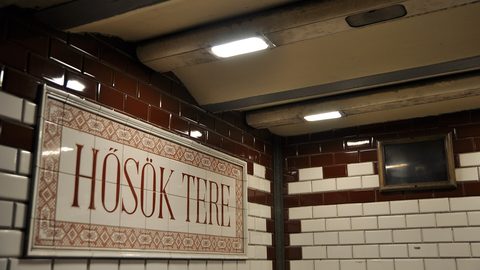 Getting Around Budapest Without Getting a 12000 Forint Fine
Master Budapest's BKK network: validate paper tickets before boarding, use the BudapestGO app offline, and know which metro lines inspectors patrol most.
Getting Around Budapest Without Getting a 12000 Forint Fine
Master Budapest's BKK network: validate paper tickets before boarding, use the BudapestGO app offline, and know which metro lines inspectors patrol most.
-
 Hungary Beyond Budapest: Danube Bend Towns and the Great Plain
Hungary beyond Budapest packs Roman ruins, Baroque riverside towns, and the vast Puszta plain into a country you can cross by train in half a day.
Hungary Beyond Budapest: Danube Bend Towns and the Great Plain
Hungary beyond Budapest packs Roman ruins, Baroque riverside towns, and the vast Puszta plain into a country you can cross by train in half a day.
-
 What Budapest and Central Europe Actually Cost Now, From a Lángos to a Thermal Bath Pass
Budapest still runs at roughly half the cost of Vienna for accommodation, meals, and attractions, but prices have risen sharply in the Jewish Quarter and Castle District.
What Budapest and Central Europe Actually Cost Now, From a Lángos to a Thermal Bath Pass
Budapest still runs at roughly half the cost of Vienna for accommodation, meals, and attractions, but prices have risen sharply in the Jewish Quarter and Castle District.
-
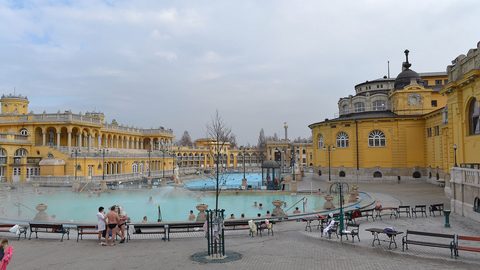 Budapest Thermal Baths Compared Which One and How It Works
Széchenyi, Gellért, Rudas, Király, or Lukács—which Budapest thermal bath fits your trip based on architecture, crowds, gender rules, and local authenticity.
Budapest Thermal Baths Compared Which One and How It Works
Széchenyi, Gellért, Rudas, Király, or Lukács—which Budapest thermal bath fits your trip based on architecture, crowds, gender rules, and local authenticity.